Fox Business Warns Trump May Concede to Democrats' Healthcare Demands After Midterm Sweep
Key Takeaways
- •Stuart Varney said budget and tax negotiations will compel President Trump to make concessions to the incoming Democratic majority, with the president signaling openness to Democrats' healthcare push.
- •Trump shared a post by Sen.-elect Abdul El-Sayed featuring a mock 'Trumpcare' card promoting Medicare for All coverage 'from cradle to grave,' and said there is 'a chance we could get great health care.'
- •Varney projected Democrats will reach 258 House seats — the largest majority this century — well above the 218 needed for control, including committee gavels and investigative authority.
- •Must-pass spending bills give the congressional majority structural leverage over a president from the opposing party, since federal agencies cannot operate without appropriated funds.
- •Varney attributed the Democratic sweep, spanning the Senate, House, eight flipped statehouses, and six flipped governorships, to gas prices, the war, and the president's personal unpopularity.
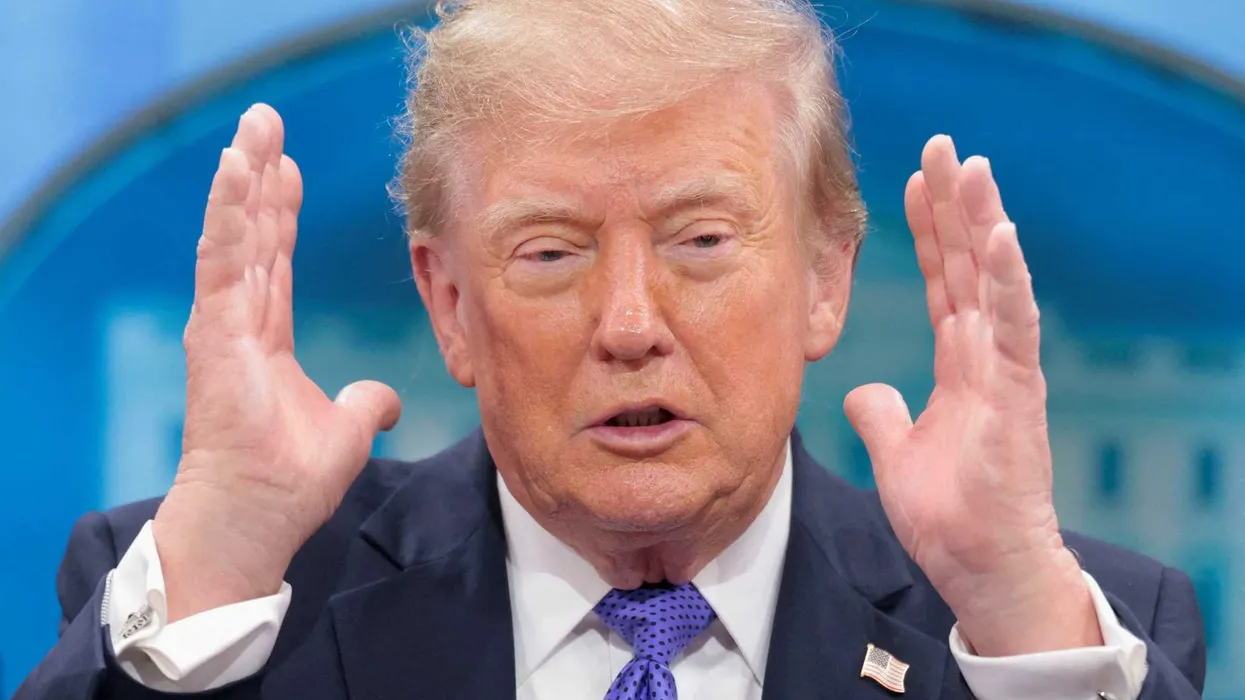
Fox Business cautioned its conservative audience on Monday that President Donald Trump may be prepared to accept some of the Democratic Party's most ambitious policy proposals. According to longtime Fox host Stuart Varney (video via Fox Business), the demands of negotiating budgets and taxes will force the president to make concessions to the incoming congressional majority — and Trump has already signaled that he may give in to Democrats' top request. Healthcare has long ranked among the sharpest divides between the two parties: Medicare for All, the single-payer framework championed by the Democratic Party's progressive wing, would place the federal government at the center of coverage decisions, and Republican lawmakers have consistently opposed it.
Varney explained that another House seat flipped to Democrats on Sunday, and said the four races still uncalled are likely to follow the same path, ultimately leaving Democrats with 258 House seats — what he called "the largest majority this century." That figure sits well clear of the 218 seats needed to control the chamber, meaning committee gavels — and the investigative power that comes with them — will rest with the opposition. "This means incoming Speaker Hakeem Jeffries (D-NY) has a lot of room to maneuver," Varney said. He warned viewers that "constant investigations" would plague the president, while reassuring them that Trump would remain in office with veto power for two more years. Must-pass spending bills also give a congressional majority structural leverage over a president from the opposing party, since federal agencies cannot operate without appropriated funds — the practical backdrop to any budget-and-taxes bargaining.
"But this is important," Varney said. "He will have to negotiate budgets and taxes, and that means some compromise. When asked about this, the president said, 'There's a chance we could get great health care.' He reposted Abdul El-Sayed post about Medicare for all, inviting the president to support it as Trumpcare."
Over the weekend, Trump had shared a screenshot of a post published the previous week by Sen.-elect Abdul El-Sayed. The post displayed mock images of a "Trumpcare" card bearing the text: "Donald, this is on the table. Guarantee healthcare for every American, from cradle to grave." Medicare for All is the umbrella term for legislation that would replace today's mix of private and public insurance with a single government-administered plan — a proposal whose standard selling point, healthcare "from cradle to grave," echoes the card's language. On Fox, Varney voiced alarm at the exchange, declaring, "Who knows what they will agree to or not?"
Since the midterms, the conservative network — long the president's most important media ally — has devoted considerable airtime to reflecting on the future of Trump and the GOP. In one recent segment, the hosts of Fox and Friends struggled to decode the "message" voters had sent to the party. "It's just shocking. Mind-blowing," declared host Ainsley Earhardt. "What happened in South Carolina? What happened in Texas? Is it Republican fatigue? Conservative fatigue? Or they just want change?"
According to political correspondent Bret Baier, Fox's own data showed more than mere disapproval of the war. "It was kind of like anger inside those numbers," he said. "On a number of different fronts." Host Lawrence Jones pushed back on the characterization: "It wasn't 'kind of.' If we look at all of these conservative states, they're sending a message: you're not listening to me."
Varney, for his part, pointed to "the sheer size of the Democrat sweep," which extended across the Senate, the House, eight flipped statehouses, six flipped governorships, and more. "Gas prices, the war, and the president's personal unpopularity all combined to defeat Republicans at every level," he lamented. "Now the fight is on to save Trump's agenda. It is the Democrats' fight to lose." The first checkpoints of the new alignment are procedural and easy to track: the final calls in the four outstanding House races, the seating of the new Congress in January and the formal election of Speaker Jeffries, and the first budget and government-funding deadlines — each of which will show whether compromise or confrontation defines the next two years of divided government.

