Loyalty to Trump Comes at a Steep Cost for 2028 Frontrunners Vance and Rubio
Key Takeaways
- •Vance argued against the war with Iran but was overruled, and he later blamed the conflict for the Republican Party's midterm losses, reportedly irritating Trump.
- •Rubio raised concerns aboard Air Force One about Nvidia CEO Jensen Huang's ties to a suspected Chinese spy, but Huang was reinstated anyway, with Vance helping to engineer the move.
- •Wall Street Journal editor at large Gerry Baker published a column urging Rubio to resign, writing that Trump's policy is 'shaming, corrupting and weakening America' and that Rubio is its public face.
- •Neither man has officially announced a 2028 presidential bid; Vance plans to decide after the new year, and Rubio has indicated he will not run if Vance does.
- •Rubio's vocal defense of the Iran attack could prove damaging in 2028 if the war remains as unpopular as it currently is.
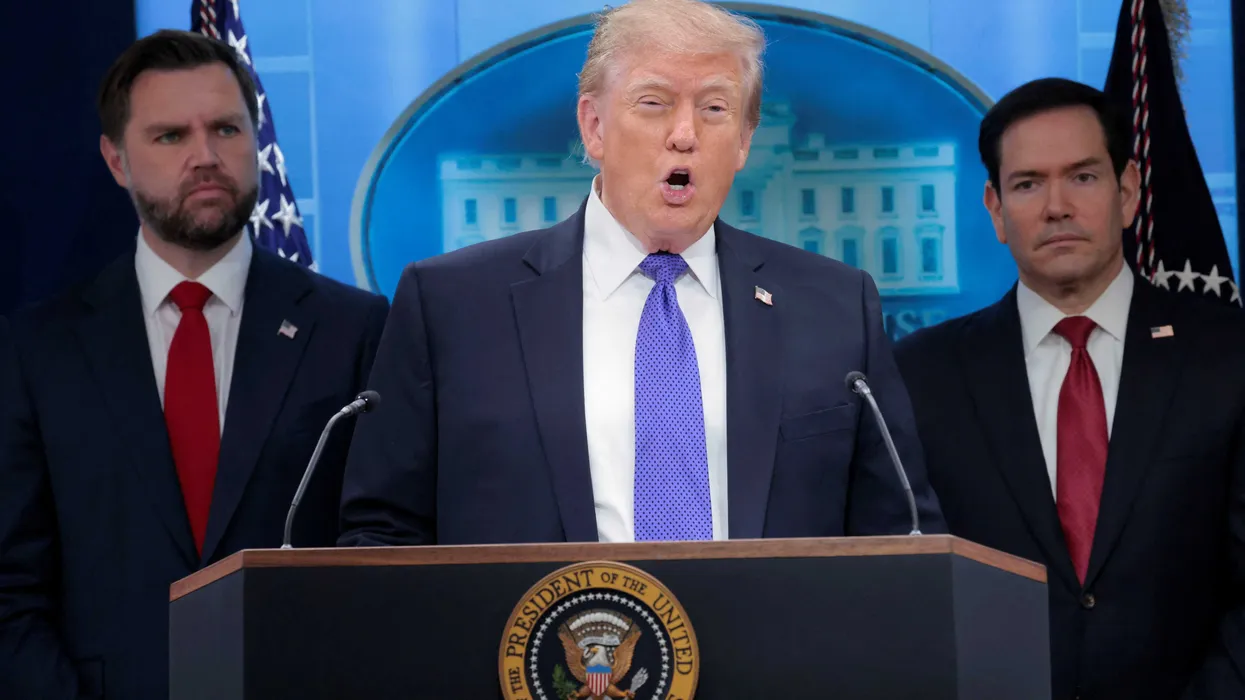
For the two Republicans best positioned to inherit President Donald Trump's political movement, loyalty has come at a steep cost.
Vice President JD Vance and Secretary of State Marco Rubio are widely viewed as the leading contenders for the GOP's 2028 presidential nomination. But according to Axios, Trump has assigned both men the fallout from major decisions he made over their objections — choices that strike at the core of their respective political brands. The bind is a familiar one in presidential politics: contenders who serve in a sitting administration ultimately campaign on its record — including the decisions they privately opposed.
Trump's unpopularity has already cost Republicans their majorities in Congress, and the war with Iran — together with the controversy surrounding Nvidia CEO Jensen Huang — illustrates how difficult it would be for either man to run a campaign on his own terms. The vice presidency and the secretary of state's office have historically served as springboards to presidential runs, but they also tether a contender to the administration's record.
Vance has sought to cast himself as a next-generation Republican and a skeptic of foreign entanglements. He argued against going to war with Iran but was overruled, and has since blamed the conflict for the party's drubbing in the midterms. Trump is said to have been irritated by that criticism. The president has acknowledged that voters were angry about the high prices the war caused, but pointed out that Vance never said the decision to go to war was the right one. Asked last week, with Trump standing beside him, whether the war was worth the GOP's losses, Vance demurred.
"I think the president is the one who makes the decision, and the president has said he would do it again. And my view is that my goal is and my job is to support the president of the United States," Vance said.
Rubio, meanwhile, faces a bind of his own. The longtime China hawk was sanctioned by Beijing back in 2020. In May, while aboard Air Force One en route to China, Rubio reportedly raised concerns with Trump about Nvidia CEO Jensen Huang's ties to a suspected Chinese spy. Huang was reinstated regardless, and Vance even helped Trump engineer it. When a reporter shouted a question at Rubio about the CEO's reinstatement, Rubio turned and walked away.
The pressure mounted further this week, when Wall Street Journal editor at large Gerry Baker published a column urging Rubio to resign from the administration. Trump's policy, Baker wrote, is "shaming, corrupting and weakening America," and Rubio is its public face. Rubio is also a vocal defender of Trump's decision to attack Iran — a position that could come back to haunt him in 2028 if the war remains as unpopular as it is now.
Neither man has officially announced a presidential bid. Vance plans to make his decision after the new year, and Rubio has indicated he will not run if Vance does. The two have become friends. But as Trump begins his final two years in office — the stretch in which prospective candidates traditionally begin assembling teams, courting donors, and introducing themselves in early-voting states such as Iowa and New Hampshire — Axios reports, the downside of their loyalty is coming into sharper focus. The immediate markers are already set: Vance's decision after the new year, Rubio's stated willingness to step aside, and the nominating contests that will show how voters weigh each man's loyalty against the costs it produced.

