JD Vance says some in Israeli government are trying to sway U.S. opinion on Iran war
Key Takeaways
- •Vice President JD Vance publicly accused elements of the Israeli government of attempting to influence American public opinion in favor of prolonging the Iran conflict.
- •A phone call between Prime Minister Netanyahu and President Trump suggests continued bilateral coordination despite the acknowledged friction.
- •Prediction markets currently price an 89.5% likelihood that the Israel-Iran ceasefire will hold through July 31, representing a slight decline from earlier readings.
- •The U.S.-Israel defense partnership, supported by billions in annual military aid and intelligence sharing, makes any public policy divergence significant for regional stakeholders.
- •Diplomatic efforts to sustain the ceasefire continue alongside U.S. officials' warnings about the risks of broader escalation.
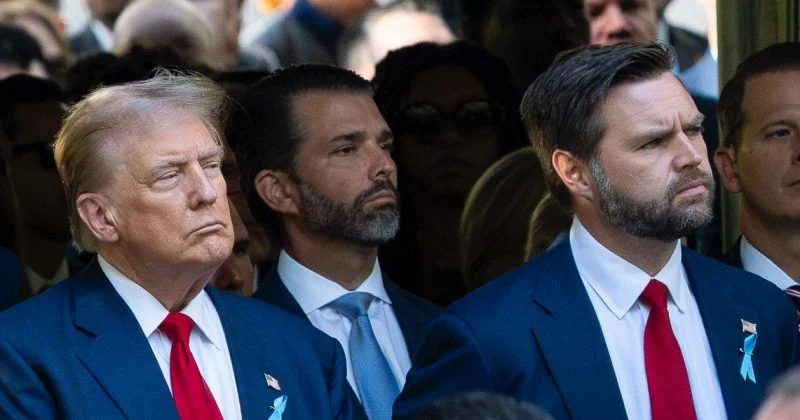
U.S. Vice President JD Vance has publicly said that elements within the Israeli government are trying to influence American public opinion in favor of continuing the Iran conflict.
The remarks came amid ongoing tensions and fragile ceasefire negotiations involving the United States, Iran, and Israel. Public statements from a sitting U.S. vice president acknowledging friction with an allied government are unusual, particularly given the historically tight security coordination between Washington and Jerusalem. Despite Vance’s comments, Israeli Prime Minister Benjamin Netanyahu and U.S. President Donald Trump reportedly discussed the issue in a phone call, underscoring continued coordination between the two countries. The development comes as both sides navigate the challenges of maintaining a ceasefire and managing the risk of escalation.
Vance’s comments point to possible policy differences between the U.S. and Israel over the future of the military campaign in Iran. The U.S.-Israel defense relationship has long been underpinned by billions in annual military aid and intelligence-sharing agreements, making any public divergence on campaign strategy particularly significant for regional allies and adversaries watching for shifts in American posture. In prediction markets, the “Israel x Iran ceasefire continues through July 31” question shows an 89.5% likelihood that the ceasefire will hold through July 31, down slightly from earlier levels. Prediction markets aggregate crowd-sourced probability assessments and have increasingly been used alongside traditional diplomacy analysis as a real-time gauge of geopolitical sentiment. Recent price moves suggest traders are assigning a somewhat higher risk to the ceasefire’s durability.
The broader backdrop includes continued diplomatic efforts to preserve the ceasefire, along with public warnings from U.S. officials about the dangers of a wider conflict. The phone call between Netanyahu and Trump may indicate a shared interest in containing escalation, even as Vance’s remarks suggest there may be underlying tensions that could affect future developments.
Key Takeaways
- Vance’s public comments suggest internal divisions between the U.S. and Israeli governments over the future of the Iran conflict.
- The market currently prices an 89.5% chance that the ceasefire will continue through July 31.
- The phone call between Netanyahu and Trump points to continued coordination despite possible policy differences.
What to Watch
Watch for additional official statements from the U.S. and Israeli governments, as they could affect market views on the ceasefire’s durability. Any announcement of renewed military action or a diplomatic breakthrough could also influence pricing. Negotiation outcomes and changes in the geopolitical situation will remain important indicators as the July 31 deadline approaches.
Get live prediction-market analysis, powered by Vera. Sign up for Vera.

