VALR CEO Ehsani Warns South Africa's Proposed Cross-Border Crypto Rules Could Undermine Regulatory Oversight
Key Takeaways
- •The proposed framework permits individuals to transfer cryptocurrency offshore within existing foreign currency allowances but outright prohibits corporate entities from conducting cross-border crypto transactions.
- •Several types of inbound transfers originating from non-custodial self-custody wallets would be classified as non-permissible for locally licensed crypto asset service providers under the draft rules.
- •VALR and Luno, two of South Africa's largest licensed cryptocurrency exchanges, have both publicly challenged the proposed framework, warning it could push crypto activity beyond the reach of domestic regulators.
- •The National Treasury and the South African Reserve Bank have opened the draft crypto asset manual for public comment through September 30 and stated that the guidelines remain subject to refinement before final implementation.
- •Ehsani advocates abolishing exchange controls altogether while preserving reporting and transparency requirements, arguing that retrofitting apartheid-era capital control regimes onto digital asset technology puts investment, employment, and innovation at risk.
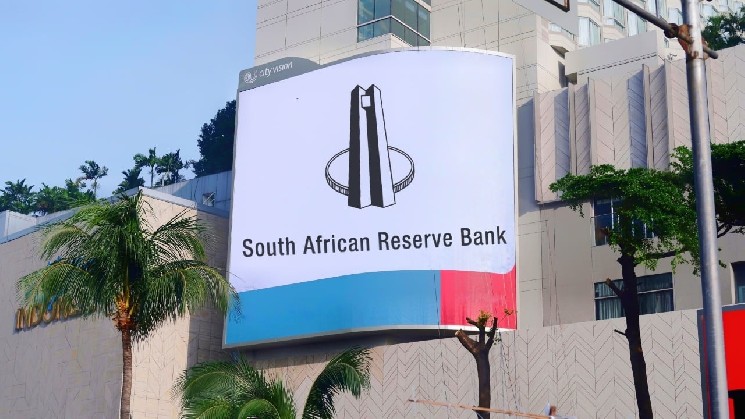
VALR CEO Ehsani Warns South Africa's Proposed Cross-Border Crypto Rules Could Undermine Regulatory Oversight
South Africa's proposed cross-border cryptocurrency framework could inflict severe damage on the domestic digital asset industry and push financial activity underground unless key provisions undergo substantial revision, according to Farzam Ehsani, co-founder and CEO of the cryptocurrency exchange VALR.
Ehsani was responding to a joint draft crypto asset manual issued by South Africa's National Treasury and the South African Reserve Bank (SARB). The draft builds on South Africa's 2022 decision to classify crypto assets as financial products under the Financial Advisory and Intermediary Services Act, which brought crypto service providers under the Financial Sector Conduct Authority's regulatory perimeter and required them to register as financial service providers. Ehsani cautioned that attempting to impose decades-old capital controls—rooted in exchange control regimes first instituted during the apartheid era—on modern digital asset technology puts employment, local investment, and business innovation at risk.
Positive Steps Overshadowed by Remaining Restrictions
Ehsani acknowledged certain improvements in the draft. Most notably, a reportable event would be triggered when funds are withdrawn from a crypto asset service provider (CASP), rather than at the point of initial asset purchase. However, he said the proposals as currently drafted remain detrimental to licensed domestic operators.
"South Africa would be better served by abolishing exchange controls altogether while preserving appropriate reporting, transparency and regulatory surveillance, rather than attempting to retrofit a half-century-old regulatory regime onto modern technology and the digital economy," Ehsani told Bitcoin.com News.
Corporate Transaction Ban and Self-Custody Wallet Concerns
Under the draft framework, individual residents may transfer cryptocurrency offshore within their existing foreign currency allowances. However, corporate entities are prohibited from conducting cross-border crypto transactions, and several types of inbound transfers originating from private, non-custodial self-custody wallets are classified as non-permissible for local CASPs.
Ehsani argued that these restrictions generate perverse incentives for both businesses and retail users. By blocking legitimate corporate transactions—particularly cross-border stablecoin payments that provide faster, cheaper, and more transparent settlement than traditional banking channels—the proposed rules would weaken the very regulatory oversight that authorities intend to strengthen. The restrictions are especially consequential for African cross-border commerce, where stablecoin-based settlement has emerged as a practical alternative to correspondent banking corridors that can be slow and costly.
"By prohibiting legitimate corporate activity through regulated providers, the proposed framework is likely to drive transactions underground or offshore," Ehsani said. "This would reduce the very visibility and surveillance that National Treasury and the SARB seek to achieve, while undermining employment, tax revenue, investment, innovation and business formation."
Regarding self-custody wallets, Ehsani noted that classifying transactions from non-custodial wallets as non-permissible is neither practical nor sensible. He warned that such restrictions would push South African users toward foreign, unregulated exchanges rather than domestic, licensed platforms—directly conflicting with the central bank's stated objective of monitoring capital within the country.
"If South Africa chooses to retain capital controls, it should at least apply them on a principled, fair and technology-neutral basis," Ehsani said. "Regulation should govern the movement of value and manage the associated risks; it should not dictate which technologies individuals and businesses can use."
Luno's Earlier Challenge and Public Consultation Window
Ehsani's remarks come nearly a month after fellow South African exchange Luno formally challenged the proposed capital-flow rules. As reported by Bitcoin.com News, Luno has urged parliament to rewrite the framework, arguing that the government's current approach risks driving crypto activity underground and beyond the reach of domestic regulators and tax authorities. The convergence of pushback from two of South Africa's largest licensed exchanges underscores the industry's concern that the rules, as drafted, could disadvantage domestically regulated platforms relative to offshore competitors operating beyond SARB's reach.
The National Treasury and the SARB have opened the draft crypto asset manual for public comment through September 30. Authorities stressed that the draft guidelines remain subject to refinement based on stakeholder feedback before final implementation.
Ehsani expressed optimism that the consultation process will produce a more balanced regulatory regime. "We face a fundamental choice in South Africa: whether we are serious about overcoming our economic challenges, unlocking growth and becoming a globally competitive force, or whether our frameworks undermine those ambitions," he said.
Source: Bitcoin.com News

