Navy Destroyer USS Benfold Lost Power for Four Days in South China Sea: Report
Key Takeaways
- •The USS Benfold lost power during standard Indo-Pacific patrols after its generators failed.
- •Crew members went four days without working toilets, potable water, hot meals or air conditioning.
- •Navy officials said no one was injured and that the cause of the outage is still being investigated.
- •The destroyer was towed to the Philippines, where repairs were completed on Aug. 8.
- •The Benfold was the second Pacific Command destroyer to lose power this year, following the USS Higgins in May.
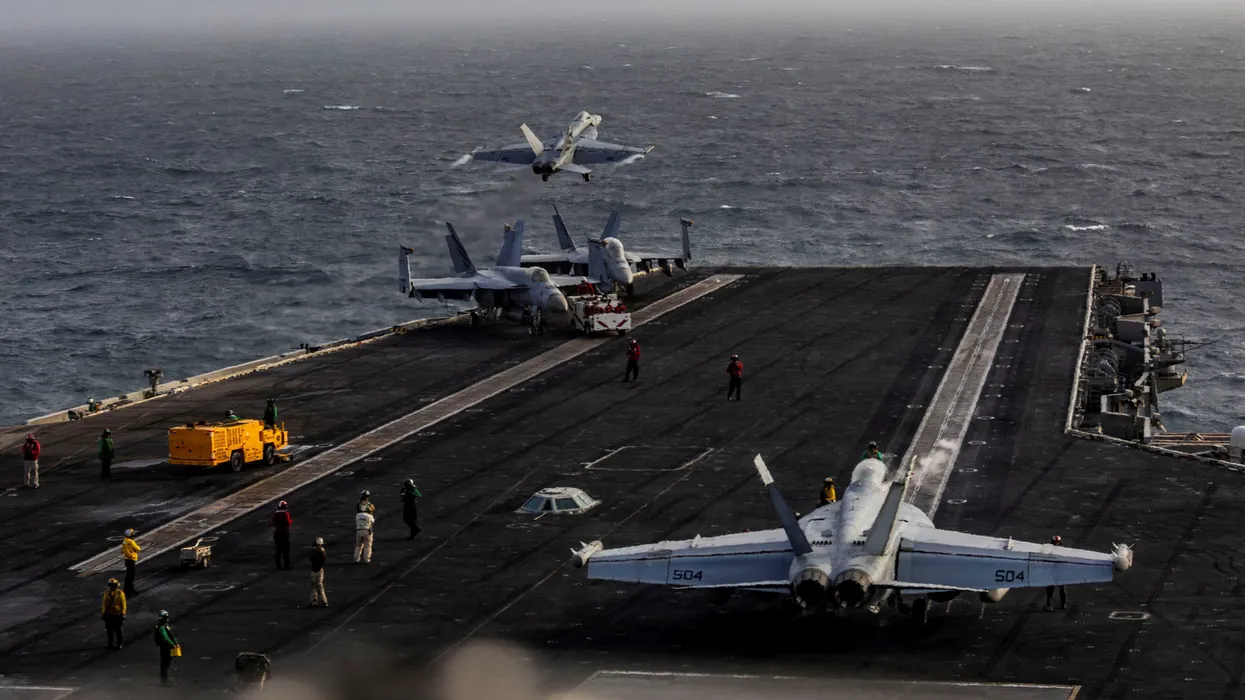
A U.S. Navy guided-missile destroyer spent four days without power in the South China Sea — one of the most tense maritime zones on Earth — while President Donald Trump has downplayed worrisome conditions facing sailors serving at sea, according to reports published Monday.
Crew members aboard the Arleigh Burke-class guided-missile destroyer USS Benfold endured four grueling days without working toilets, potable water, hot meals or air conditioning as the ship baked in the brutal South China Sea heat following a total power failure, The Daily Beast reported.
The Benfold, built 30 years ago to shoot down enemy aircraft, sink enemy ships and strike targets on land, was in the middle of standard patrols in the Indo-Pacific when its generators gave out, Navy Cdr. Matthew Comer, a spokesperson for the 7th Fleet, told CNN.
"There were no injuries to the crew, who demonstrated resilience, grit, professionalism, and unwavering steadiness in their response," Comer said. The power outage remains under investigation.
Former Navy captain Carl Schuster recounted to CNN his own experience on a destroyer that lost power near Puerto Rico and went dead in the water for roughly four hours, and described what conditions would have been like for the Benfold's crew.
"It would have been quite stressed. Operations officers were worried about crew morale and operational concerns, the engineers were focused on how to solve it, and the navigator was worried about the direction they were drifting and what weather was coming," Schuster said.
"I can assure you four hours in the waters southeast of Puerto Rico is not nearly as stressful as four days in the South China Sea," he added.
Beijing claims vast stretches of those waters as its own — a claim Washington rejects. The area is also a regular transit route for U.S. naval patrols, making even routine operations there sensitive when a ship loses propulsion or electrical power.
The Navy scrambled to keep the crew fed, sending the guided-missile cruiser USS Robert Smalls to deliver hot meals while other vessels from the Japan-based USS George Washington Carrier Strike Group pitched in to help, according to The Daily Beast. The crippled destroyer eventually had to be towed to the Philippines, where repairs were not finished until Aug. 8.
The episode is not the only disaster to hit a Navy warship. It is the second Pacific Command destroyer to go dark this year. In May, the USS Higgins lost power and propulsion for hours in the Indo-Pacific after what the Navy vaguely described as an "engineering casualty" in its electrical system.

