USDA Unlocks Billions in Farm Aid Ahead of Midterms After Two Years of Funding Rollbacks
Key Takeaways
- •The USDA's $8 billion Harvest Fuel Relief Program, announced on October 19, is intended to provide proportional compensation to farmers for diesel-related losses during the 2026 crop year, but application procedures and payment timelines have not yet been detailed.
- •A Democrat-led congressional report estimates that U.S. farmers will spend an additional $2.4 billion on diesel as a result of supply chain disruptions caused by the Iran war.
- •On October 26, the USDA announced $57 million to help independent ranchers expand meat-processing capacity, alongside plans to purchase nearly $500 million in agricultural commodities from U.S. producers.
- •The USDA removed solar from a popular renewable energy grant program this month, drawing criticism that the new fossil-fuel-centered relief conflicts with efforts to lower farmers' energy costs.
- •Farm bankruptcies reached a six-year high this spring, and a new farm bill remains stalled, with competing House and Senate versions whose fate is seen as hinging on the midterm elections.
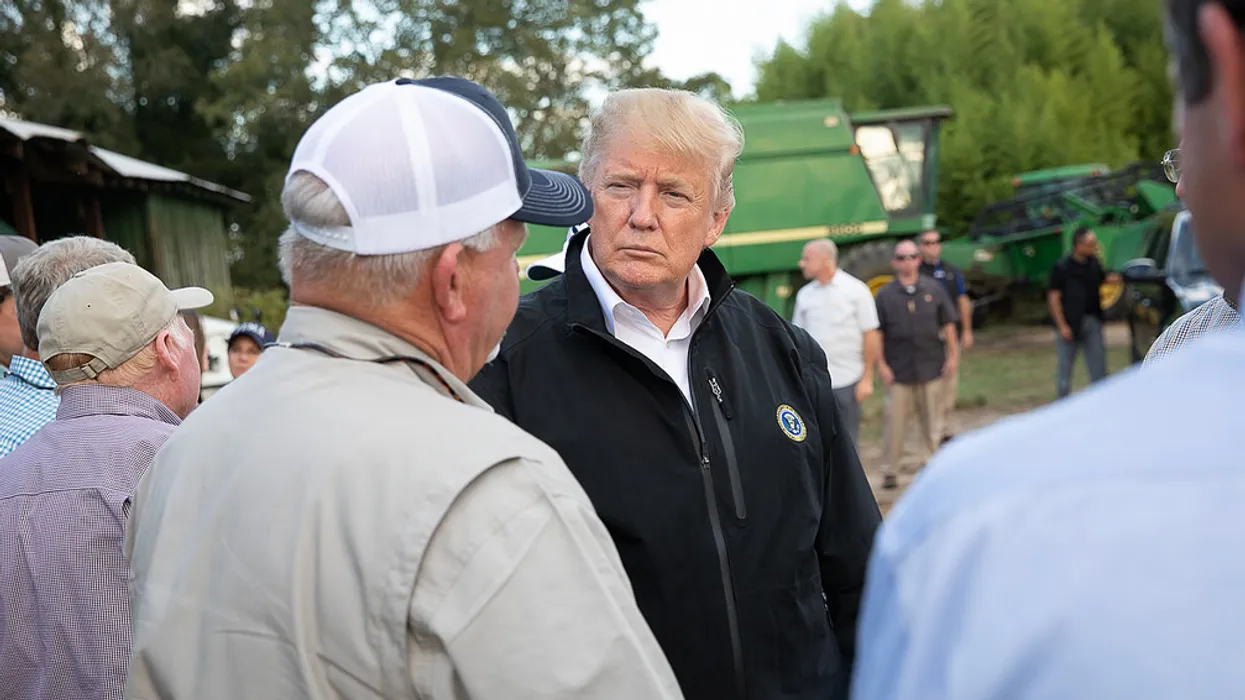
The U.S. Department of Agriculture has unlocked billions of dollars in support for farmers, along with additional funding for ranchers, in the final stretch before the midterm elections — an apparent attempt to appease agricultural producers who, once a critical part of President Donald Trump's base, have made clear they are aggravated by and disagree with the president.
The move follows a difficult two years for farmers and ranchers. Rollbacks to several Department of Agriculture programs have cut available funding and left producers in the dark. Last year, farm groups sued the federal agency after it deleted multiple webpages that mentioned climate change, including some with critical information for planning around extreme weather; early this year, the department agreed to restore the webpages in a settlement. Just this month, the USDA cut solar from a popular renewable energy grant program, dealing another setback to farmers who wish to lower their utility bills and pad their incomes by installing solar panels on their land.
Ranchers frustrated by high beef prices
Cattle ranchers, meanwhile, have been frustrated by high beef prices. The average price of ground beef has climbed steadily since the COVID-19 pandemic, reaching new records over the last two years. Persistent droughts have contributed to historically low herd sizes, adding to ranchers' plight. Trump's various moves intended to help lower the price of beef — such as importing more beef from abroad — have not helped, and ranchers say these trade deals undercut their business model.
Whether the new funding is enough to smooth over the tension farmers and ranchers are feeling remains to be seen. Aaron Lehman, president of the Iowa Farmers Union, said U.S. farmers “have needed help for months” and “never should have been put in this position.”
$8 billion diesel relief program
On October 19, the president announced that $8 billion would be made available to help farmers make up money they lost due to high diesel prices. The process through which farmers apply for and receive the funding is still unclear. How applications will work, and how quickly payments reach producers, remains to be detailed as the department finalizes the program. In a press release, the department stated it would provide “simple, proportional support to producers” for part of the losses they incurred during the 2026 crop year.
Responding to a request for more details from Grist, a USDA representative said, “President Trump has been the most pro-farmer president in our nation's history, and the Harvest Fuel Relief Program is the latest action to deliver for them. As USDA works to implement the program, we are actively reviewing all available data to determine payments which are expected to be finalized and processed soon.”
Farmers and ranchers are both heavily reliant on diesel as a fuel source: much of the equipment they use — like tractors, combines, and trucks for moving crops or livestock — runs on diesel. Diesel prices have been increasing due to the Iran war, which has led to significant supply chain disruptions. A Democrat-led congressional report found that U.S. farmers are on track to spend an additional $2.4 billion on diesel specifically due to Trump's war in Iran.
The timing of the $8 billion bailout program has drawn criticism, given that the department just made it harder for farmers to switch to more efficient energy sources like solar and wind. The new funding also underlines the administration's commitment to supporting fossil fuels, even as the use of these energy sources emits greenhouse gases that further warm the planet. Mike Lavender, policy director of the National Sustainable Agriculture Coalition, called the farmer payments “a failing solution” in a statement. The reality, he said, is that “countless farms nationwide remain in crisis: Farm bankruptcies hit a six-year high this spring, and farmers are carrying heavier debt loads and are more pessimistic about their future.”
Additional measures for ranchers and commodity purchases
On October 26, just over a week before Election Day, the USDA also announced $57 million in funding specifically for ranchers. According to the department's press release, the funding will help independent producers expand their meat-processing capacity.
In a further announcement, the USDA said it will purchase nearly $500 million in agricultural commodities from U.S. producers — another measure intended to help agricultural producers boost their bottom line. Commodity purchases of this kind are a longstanding USDA tool, typically channeling farm products into federal food and nutrition programs while paying producers directly for their goods.
Farm bill remains in limbo
The bailout programs are arriving at a time when the nation's foremost agricultural policy remains unresolved. The last farm bill — a legislative package that was once renewed every five years and controls everything from crop insurance to conservation programs — was passed in 2018. Competing versions of a new farm bill currently sit in the House of Representatives and the Senate, and advocates say much of the bill's future hinges on the upcoming midterm elections. For farmers, this period represents how the Trump administration is trying to appeal to their needs without a guiding vision for the future.
This article originally appeared in Grist at Grist is a nonprofit, independent media organization dedicated to reporting on climate change.

