Trump Administration Faces Backlash Over Genetically Engineered Chestnut Trees Planted Near White House
Key Takeaways
- •Two genetically modified American chestnut trees (Darling 54) were planted in President's Park in April as part of an Arbor Day event.
- •Internal documents suggest staffers failed to control the trees' pollen-releasing flowers, apparently violating USDA containment permit requirements.
- •The USDA says no violations occurred because the trees were planted more than a mile from any other chestnuts, and SilvaBio says flowers were removed.
- •Four months after the planting, the USDA fully deregulated Darling 54, eliminating permit requirements for small-scale plantings and making it one of the first engineered trees approved for broader US distribution.
- •The American Chestnut Foundation withdrew support for Darling 54 in 2023, and the tree's long-term survival in Washington is uncertain because it resists blight but not root rot.
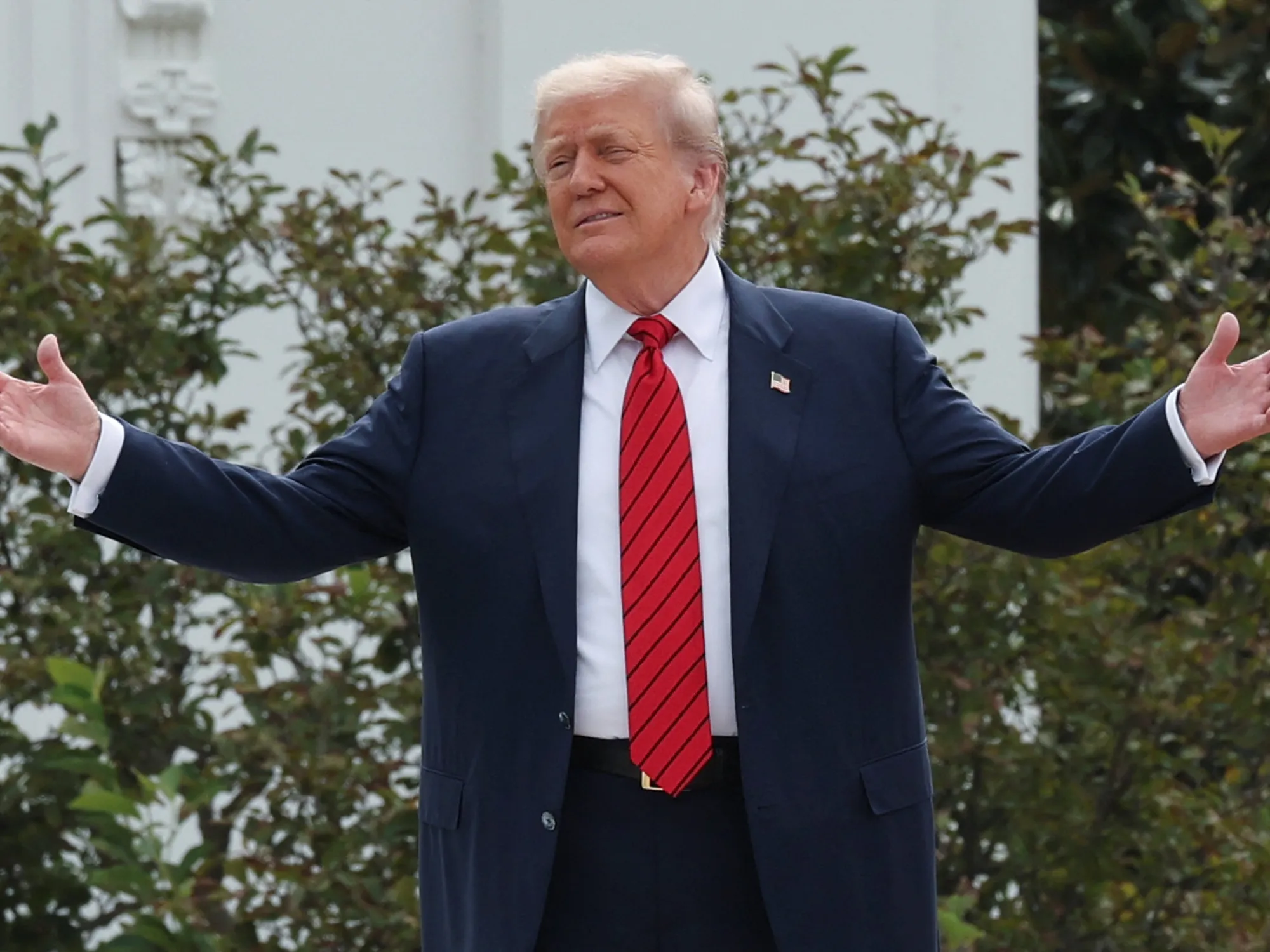
President Donald Trump's administration is facing criticism after quietly loosening regulations covering a genetically engineered tree — and, according to internal documents, may have already violated its own containment rules in the process.
The controversy dates to April, when the administration planted two genetically modified American chestnut trees in President's Park, across from the White House, as an Arbor Day photo opportunity, as reported by the Washington Post. The variety, known as Darling 54, carries a wheat gene intended to resist the blight that effectively wiped out the species a century ago. The American chestnut once dominated eastern forests — by some estimates numbering in the billions — before an imported fungal blight, first identified in the early 1900s, killed roughly four billion trees over subsequent decades, making restoration efforts such as this one a long-standing goal of conservation scientists.
Internal documents reviewed by the Post, along with an account from a source not authorized to speak publicly, indicate that staffers failed to control the trees' pollen-releasing flowers — an apparent violation of the USDA permit, which required "confinement of the regulated article to prevent its unauthorized release, dispersal, and/or persistence in the environment." Because chestnuts are wind-pollinated, pollen can travel considerable distances, which is why containment protocols exist for field trials of genetically engineered trees.
Had the transgenic pollen drifted to wild, unmodified chestnut trees still growing nearby — including in Rock Creek Park, Silver Spring, the U.S. Capitol grounds and Congressional Cemetery — it could have pollinated them, introducing an engineered gene into the wild beyond any scientific oversight.
"As part of the research protocol, that isn't supposed to happen," said Michael Goergen, president of the American Chestnut Foundation. "What could it mean in terms of contamination of the gene pool?"
The USDA maintains that no permit violations occurred, saying the trees were planted more than a mile from any other chestnuts. SilvaBio, the company that organized the planting, says staff removed the flowers they could and had the National Park Service handle the rest — but neither claim directly addresses the internal findings.
Four months after the planting, the USDA fully deregulated Darling 54, eliminating the permit requirement for small-scale plantings of the modified tree. One scientist involved in the work said officials were already discussing deregulation on the day the trees went into the ground. The move makes Darling 54 one of the first genetically engineered trees approved for broader distribution in the United States, a decision that could shape how other engineered forest trees — including blight-resistant American elms and insect-resistant poplars under research — are regulated going forward.
Critics argue the episode reflects a broader recklessness in rushing a genetically engineered organism into the environment while sidestepping the administration's own safeguards.
Michael Hansen, a scientist at Consumer Reports, described the situation as "uncharted territory," warning that transgenic trees "could affect the fitness of the trees or how they interact with the ecosystem. You don't know until you do those studies." Unlike annual crops, trees live for decades and spread pollen over wide areas, which critics say makes environmental effects harder to monitor and reverse.
Even the tree's most prominent institutional supporter has distanced itself. The American Chestnut Foundation withdrew its support for Darling 54 in 2023 after scientists mistakenly planted that variety instead of the intended Darling 58.
Whether Trump's chestnuts will survive remains uncertain. Darling 54 resists blight but not root rot, which thrives in Washington's climate — the same fate that killed a chestnut planted at the White House by George W. Bush in 2005. Two decades later, no trace of that tree remains. What to watch next is whether the USDA's deregulation stands unchallenged, whether watchdog groups or researchers pursue the apparent permit lapse, and whether additional plantings of Darling 54 follow without confinement requirements.

