USDA Beef Plan Aims to Manage Price Risk and Rebuild Producer Confidence
Key Takeaways
- •The USDA's five-point plan includes a BRAND endorsement that would let producers insure the economic value of heifers retained for breeding over a two-year period.
- •The plan comes as the US cattle herd is at its smallest level in decades and beef prices have reached record highs at retail.
- •Rollins said the approach expands the existing Livestock Risk Protection Program rather than creating new government payment programs that could disrupt markets.
- •The plan includes funding to help processors buy recently closed facilities, with roughly 20 percent of that processing capacity returning to the market.
- •Additional components cover funding for beginning farmers and ranchers, prioritizing locally processed beef in federal and state procurement, and greater flexibility for Grassland Conservation Reserve Program acres.
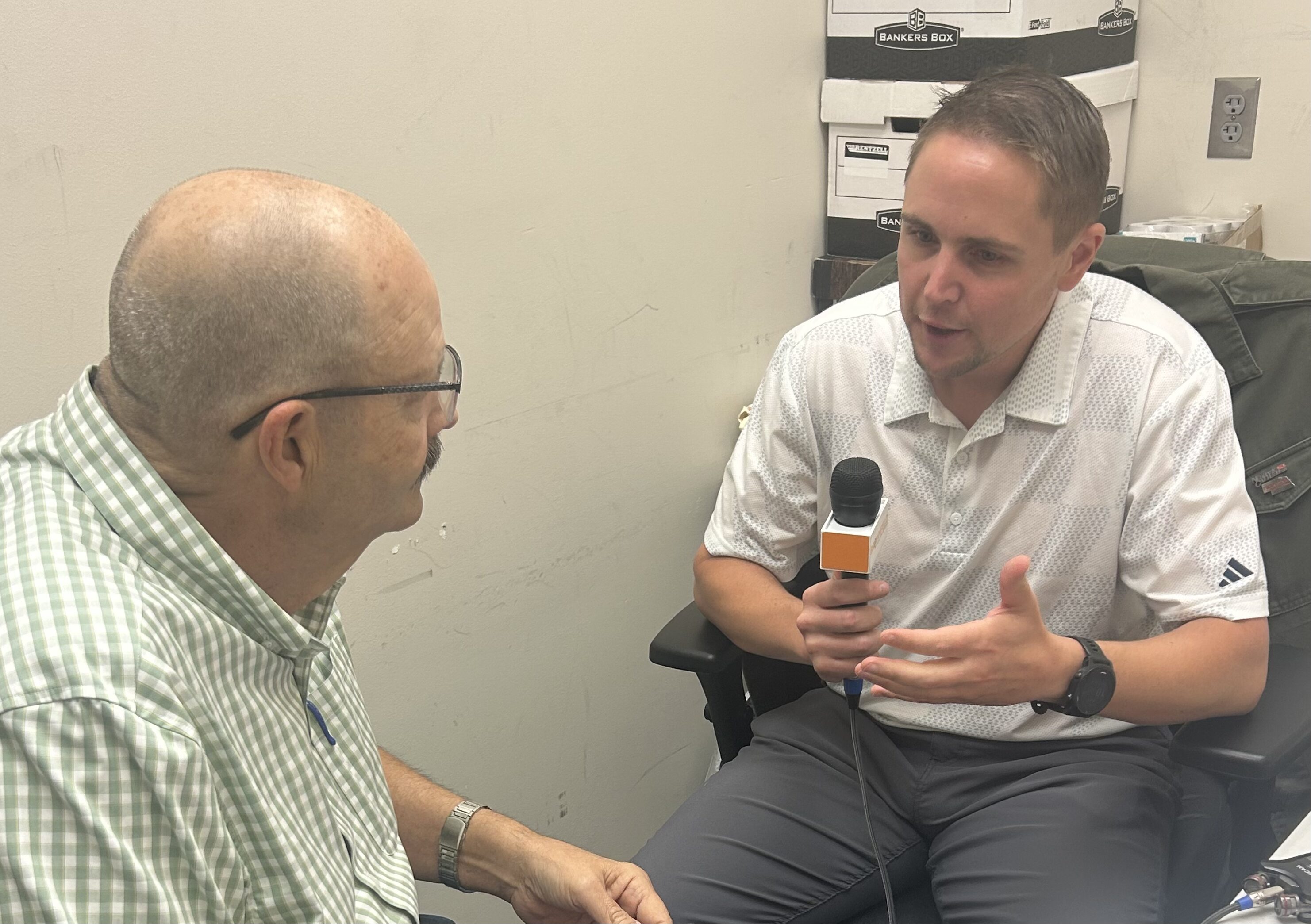
Agriculture Secretary Brooke Rollins says the USDA is taking steps to help improve producer confidence in the cattle industry. The plan arrives as the US cattle herd sits at its smallest level in decades and beef prices have hit record highs at retail, driven by years of drought-forced liquidation and rising production costs that have left many producers cautious about rebuilding their herds.
Speaking with reporters at the Nebraska State Fair, Rollins told Brownfield that one goal of the department's 5-point plan is to help producers manage price swings by expanding the Livestock Risk Protection Program, an existing federally backed insurance product that insures against declining cattle prices. "If someone keeps their heifer today, and then in two years if they would have sold it today and made more money, we're now managing for that risk versus entirely new government program that has more government payments. That's what disrupts the market, and we believe we're going to get there without that," Rollins said.
Under the plan, the Beef Retention and National Development (BRAND) endorsement would allow producers to insure the economic value of retaining a heifer for breeding over a two-year period. It would establish a protected value based on the expected slaughter value of the heifer at the time of enrollment. Retaining heifers is a key lever for herd expansion, but it also requires producers to forgo near-term income — a risk that has weighed on expansion decisions even amid strong calf prices.
Nebraska Cattlemen's President Craig Uden says the measure originated within his organization and could encourage more producers to retain heifers. "You'll have a certain number of producers that are getting the market signal to expand. This might give them a little more confidence to step out there," Uden said.
He added that the endorsement could be especially beneficial for younger producers. "It gives them and their lender some stability and confidence that they can be assured that they might not be under water in a year or two."
Rollins says the plan also includes funding that could help processors purchase facilities that have recently been shuttered. "The fact that 20 percent of that processing is coming back onto the market will allow us to shift for the first time in decades back to regionally mid-sized and smaller processors and capacity," she said. The processing capacity piece speaks to a long-running debate in the industry, where producers and policymakers have raised concerns about the concentration of US beef packing among a small number of large companies and the potential effects on prices paid for cattle.
Additional elements of USDA's plan include more funding for beginning farmers and ranchers, prioritizing procurement of locally processed beef for federal and state institutions, and increasing flexibility in the Emergency Conservation Reserve Program on Grassland Conservation Reserve Program acres. How quickly the BRAND endorsement and other components are implemented, and how many producers enroll, will help determine the plan's effect on the pace of herd rebuilding, which historically unfolds over multi-year cattle cycles.
