Oil Prices Surge on Middle East Supply Disruptions; IEA Taps Emergency Reserves
Key Takeaways
- •The IEA has described the Middle East supply disruption as the largest in history and is tapping emergency reserves established after the 1970s oil crises.
- •The Strait of Hormuz, through which about one-fifth of globally traded oil and LNG normally passes, has seen a significant decline in oil flow due to regional conflict.
- •Market pricing implies a 13% probability that crude oil reaches a new all-time high by December 31.
- •Alternative pipelines and shipping routes lack the capacity to offset volumes normally transiting Hormuz, so even partial blockages affect freight, insurance, and crude supply.
- •Sustained high oil prices risk feeding into broader consumer energy costs, drawing policymaker attention to inflation and economic growth.
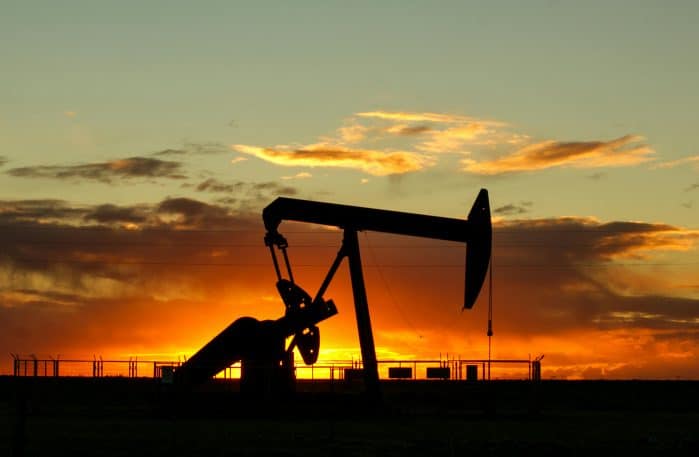
Oil prices have surged following a Wall Street Journal report indicating that supply disruptions in the Middle East could be prolonged. Attention is centered on the Strait of Hormuz, a narrow passage between Oman and Iran that serves as one of the world's most critical chokepoints for global oil transport, with roughly a fifth of globally traded oil and liquefied natural gas normally passing through it. Ongoing conflict in the region has significantly reduced the flow of oil through the strait. Disruptions at chokepoints like Hormuz are particularly consequential because alternative pipelines and shipping routes have limited capacity to absorb the volumes that normally transit the waterway, meaning even partial blockages ripple through global freight and insurance costs as well as crude supply itself.
The International Energy Agency (IEA), the Paris-based intergovernmental body that coordinates emergency oil stockpile releases among member countries, has characterized the current situation as the largest oil supply disruption in history. The agency has responded by tapping its emergency reserves, a mechanism established in the wake of the 1970s oil crises to cushion markets against severe supply shocks. Emergency stock releases are designed as a temporary bridge, not a substitute for lost production, so their effect on prices depends heavily on how long the underlying disruption persists and on the spare capacity available among producers outside the affected region, notably Saudi Arabia and other OPEC members.
Market participants appear to interpret these developments as consistent with scenarios in which crude oil prices remain elevated, as global inventories tighten. Elevated oil prices tend to feed into broader consumer energy costs, which is why sustained supply disruptions often draw attention from policymakers concerned with inflation and economic growth beyond the energy sector itself.
Key Takeaways
Market activity suggests participants view the ongoing Middle East disruptions as consistent with scenarios where crude oil prices stay high.
Current pricing reflects an increased likelihood of crude oil reaching a new all-time high by the end of the year, with December 31 odds at 13% YES.
The situation in the Strait of Hormuz has led to a decrease in oil flow, reinforcing the potential for continued price elevation.
What to Watch
Observers will be closely monitoring developments in Middle East geopolitical tensions, particularly concerning the Strait of Hormuz, as they could further affect global oil supply. Statements and actions from key figures such as OPEC Secretary General Mohammad Sanusi Barkindo and Saudi Energy Minister Abdulaziz bin Salman Al Saud could provide additional indications of market direction. Any changes in the IEA's response to the supply disruptions may also signal shifts in market expectations regarding future oil pricing.
