US-Venezuela Oil Partnership Could Reshape Global Energy Flows
Key Takeaways
- •Venezuela holds the world's largest proven oil reserves, but output has fallen from roughly three million barrels per day in the late 1990s to well below one million in recent years due to underinvestment and U.S. sanctions.
- •Blending U.S. light crude with Venezuelan extra-heavy oil could create grades similar to Russia's Urals crude, suiting European refineries configured for medium-to-heavy barrels.
- •Increased Venezuelan output could redirect crude away from China, which has been Venezuela's dominant buyer through indirect channels and steep discounts.
- •Additional Atlantic Basin supply could intensify competition for OPEC+ producers, potentially prompting deeper production cuts, and could pressure long-term oil prices.
- •The analysis presents a U.S.-Venezuela partnership as a possible blueprint for Iran to rebuild its sanctions-hit energy industry, contingent on diplomatic and sanctions policy changes.
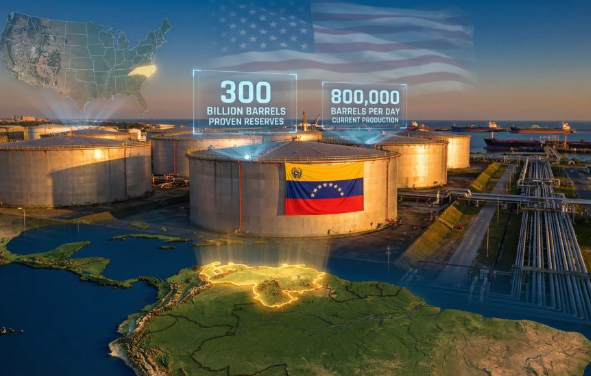
A potential oil partnership between the United States and Venezuela could alter energy flows across Europe and offer a possible model for how sanctions-hit producers such as Iran could eventually rebuild their energy industries, according to an analysis shared on X by @coinbureau.
The analysis highlights several potential consequences if Venezuelan oil production increases significantly, including changes in European crude supply, greater competition for OPEC+ producers, and possible shifts in the destinations of Venezuelan barrels currently flowing to markets such as China. The potential effects would depend heavily on the scale and pace of any increase in Venezuelan production and on the development of closer energy ties with Western markets. Venezuela holds the world's largest proven oil reserves, but its output has fallen sharply from roughly three million barrels per day in the late 1990s to well below one million barrels per day in recent years, following years of underinvestment, operational decline and U.S. sanctions imposed over the past decade. Any meaningful recovery in output would therefore require substantial foreign capital and technical expertise, which is a central reason a U.S. partnership is viewed as potentially consequential.
US and Venezuelan Crude Could Create New Oil Blends
One potential development involves combining different types of crude oil from the United States and Venezuela. Venezuelan crude is known for its extra-heavy characteristics, while U.S. production includes significant volumes of lighter crude. According to the information shared on X, blending U.S. light crude with Venezuela's extra-heavy oil could produce grades with characteristics similar to Russia's Urals crude.
Such blending could be relevant for refiners configured to process heavier crude grades, and the availability of additional blended supplies could give refiners more options as they manage changes in global crude markets. This matters because many European refineries were historically configured to run Russian Urals and other medium-to-heavy grades, and they have had to reorganize supply chains since the EU embargo on seaborne Russian crude took effect in December 2022. The potential to create crude grades suitable for existing refinery configurations could therefore become an important element in any expansion of U.S.-Venezuela oil cooperation.
Venezuelan Production Could Affect European Energy Supply
Higher Venezuelan oil production could also influence the composition of Europe's crude imports. The analysis suggests that additional Venezuelan output could reduce Europe's reliance on supplies from Russia and the Middle East. More Venezuelan barrels entering Atlantic markets could provide European refiners with another source of crude, particularly if the production is suitable for facilities designed to process heavier grades.
Venezuela's geographic position could also make increased Atlantic Basin supply relevant to global shipping and trade patterns, since shorter Atlantic routes can reduce freight costs and transit times compared with longer-haul imports from the Middle East. However, the extent of any shift would depend on how much Venezuelan production increases and where those additional barrels are ultimately sold.
China and OPEC+ Could Face Changing Supply Dynamics
An increase in Venezuelan production could also affect the destination of the country's crude exports. According to the X post, greater Venezuelan output could redirect some barrels away from China and toward other markets, which would increase the amount of crude available elsewhere in the global market. China has become Venezuela's dominant crude buyer in recent years, largely through indirect channels and steep discounts, as sanctions limited Venezuela's access to other customers.
Additional Venezuelan supply could also create pressure for OPEC+, the group of oil-producing countries that coordinates production policies among its members and partners. If significant volumes of additional Atlantic crude entered global markets, producers participating in OPEC+ could face increased competition, and the analysis suggests this could force the group to consider deeper production cuts if it sought to manage the additional supply.
Iran Could See Venezuela as a Potential Model
The potential implications extend beyond Venezuela. The analysis identifies Iran as another major oil producer that could potentially benefit from restored Western economic ties. Iran's energy sector has faced restrictions on access to international capital, technology and markets because of sanctions, and a change in relations with Western countries could potentially improve access to those resources.
According to the information shared by @coinbureau, restored Western ties could provide Iran with the international capital and technology needed to rebuild its sanctions-hit energy industry. The comparison with Venezuela is presented as a potential future blueprint rather than an established policy framework for Iran, and any such development would depend on changes in diplomatic relations, sanctions policy and international investment conditions.
Additional Oil Supply Could Pressure Prices
A substantial increase in Venezuelan production could have broader consequences for the oil market. Additional Atlantic Basin supply could place downward pressure on long-term oil prices if global production increased faster than demand, and it could also narrow premiums associated with heavier crude grades by increasing the availability of suitable supplies.
Such changes would affect producers as well as refiners, as lower prices or reduced heavy-crude premiums could alter the economics of production in different regions. The potential increase in Venezuelan output could therefore become relevant not only to the United States and Europe but also to major oil-producing alliances.
For now, the potential impact remains dependent on whether Venezuelan production rises significantly and how additional barrels are distributed across global markets. If that occurs, the resulting changes in supply could influence European energy flows, Chinese imports, OPEC+ production decisions and the longer-term outlook for oil prices.
