U.S. and UK Plan London Meeting on Protecting Strait of Hormuz Shipping
Key Takeaways
- •The planned London meeting would focus on creating a coalition to protect commercial traffic through the Strait of Hormuz.
- •The United States is asking allies to provide naval vessels, mine-clearing ships and surveillance drones for the proposed mission.
- •Iran has not attacked commercial vessels in the past four days after sustained U.S. strikes on military targets along its southern coast.
- •Oman has restarted talks in Tehran on a mechanism to safely reopen the Strait.
- •Many countries have indicated they would join a maritime mission only after hostilities in the waterway have ended.
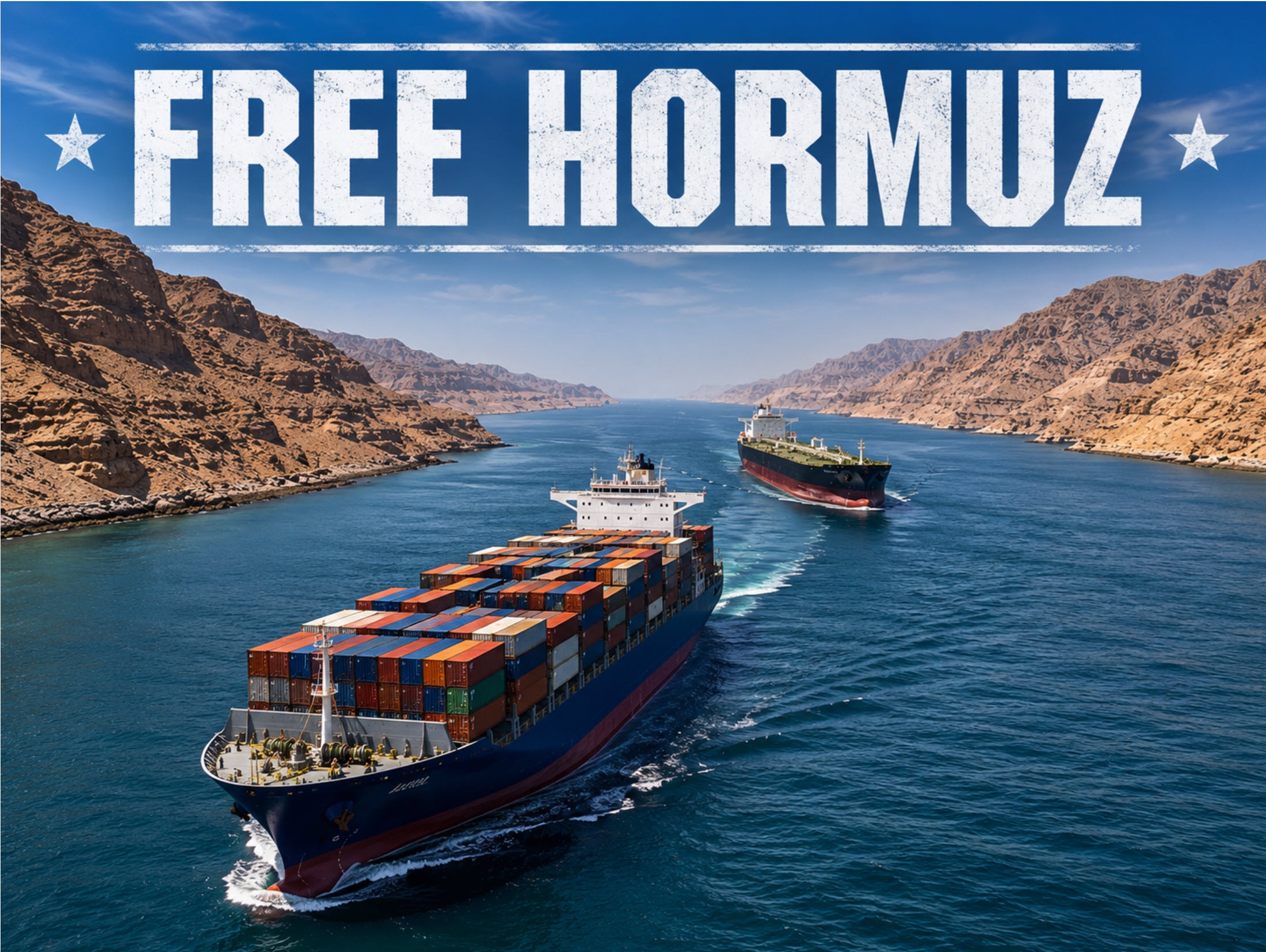
The United States and the United Kingdom are planning a high-level meeting in London next week to discuss the creation of an international coalition to protect commercial shipping through the Strait of Hormuz, according to Axios.
The proposed conference could include defense ministers and senior military leaders from Western and regional countries. U.S. Defense Secretary Pete Hegseth and Joint Chiefs Chairman Gen. Dan Caine are among the potential attendees.
The effort is being viewed as a key element of Washington’s strategy to eventually wind down its conflict with Iran while helping restore stability to global energy markets. The Strait of Hormuz links the Persian Gulf with the Gulf of Oman and the Arabian Sea, making it one of the world’s most important maritime chokepoints for oil and liquefied natural gas shipments. Security in the waterway remains a focus for governments, shippers and energy markets because disruptions can affect insurance costs, vessel routing and supply planning.
The United States is reportedly urging allies to contribute naval vessels, mine-clearing ships and surveillance drones to help secure the shipping route. Such assets would be aimed at protecting commercial traffic and monitoring threats in a narrow, heavily trafficked corridor where naval operations require coordination among multiple countries.
Iran has not attacked commercial vessels in the past four days following sustained U.S. strikes against military targets along its southern coast. However, officials remain divided over how much of Tehran’s capability has been degraded.
Diplomatic efforts are also continuing. Oman has resumed talks in Tehran aimed at establishing a mechanism to safely reopen the Strait. Many countries have indicated they would only join an international maritime mission after hostilities in the waterway have ended, making the sequencing of de-escalation talks and maritime security planning central to any coalition effort.

