US Troop Withdrawal From Iraq Raises Concerns Over Increased Violence in Kurdistan Region
Key Takeaways
- •The U.S. military presence in Iraq was reestablished in 2014 at Baghdad's request to support the counter-ISIS campaign, which has remained the formal justification for the troop deployment.
- •Iran and its aligned militias have conducted ongoing missile and drone strikes across Iraqi Kurdistan, targeting cities including Erbil and Sulaimaniyah.
- •Kurdish allies of the United States have described a growing sense of abandonment as the American military footprint in Iraq is reduced.
- •Iran-aligned militia groups with political representation in Iraq's parliament have pressed for a complete departure of U.S. forces, complicating Baghdad's efforts to balance relations between Washington and Tehran.
- •Prediction-market pricing indicates a decreased probability of direct U.S.-Iran military conflict before 2027, consistent with the broader de-escalation trajectory signaled by the withdrawal.
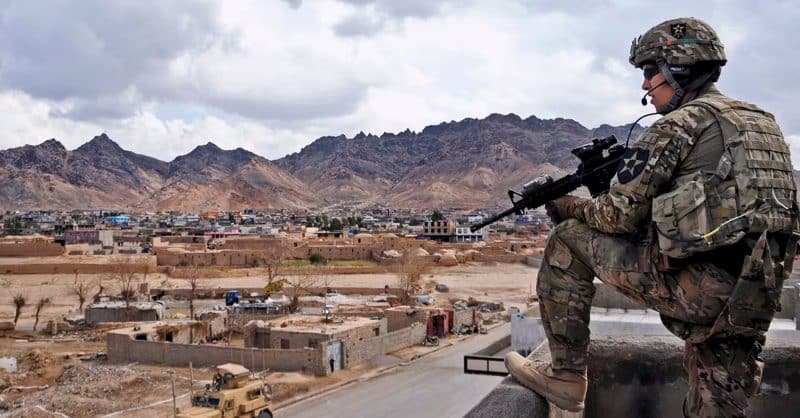
The United States' planned withdrawal of military forces from Iraq has raised concerns about a potential surge in violence, particularly in the Kurdistan region. The drawdown comes amid ongoing missile and drone strikes carried out by Iran and its aligned militias across Iraqi Kurdistan, including attacks targeting the cities of Erbil and Sulaimaniyah. The U.S. military presence in Iraq was reestablished in 2014 at Baghdad's request to support the campaign against the Islamic State, and that counter-ISIS mission has remained the formal justification for the troop presence.
The U.S. military presence has long been a cornerstone of the regional security architecture. Its reduction is widely viewed as a development that could alter deterrence dynamics, creating what Kurdish allies describe as a growing sense of abandonment. The Kurdistan Region, governed by the Kurdistan Regional Government based in Erbil, has served as one of Washington's most consistent security partners in Iraq since the 2003 invasion that toppled Saddam Hussein.
Strategic Implications
The U.S. troop pullback signals a broader move toward de-escalation. Prediction-market pricing reflects a decreased likelihood of a U.S. invasion of Iran, consistent with the trajectory of the withdrawal.
A reduced American footprint in Iraq also points to diminished U.S. influence in the region. Analysts note this may correspond with a lower probability of Iranian military action against Gulf states, as the dynamics between Washington and Tehran shift away from direct confrontation.
The continued drawdown aligns with scenarios in which the United States is less likely to engage in direct military conflict with Iran before 2027. Iran-aligned militia groups, several of which hold political representation in Iraq's parliament, have concurrently pressed for a full departure of U.S. forces, complicating Baghdad's balancing act between Washington and Tehran.
What to Watch
Observers are closely monitoring the responses of Iranian militias and Kurdish forces to the U.S. withdrawal, as their reactions could signal the trajectory of regional stability in the coming months.
Key institutional actors, including U.S. Central Command (CENTCOM) and the Pentagon, will play central roles in shaping any further developments in U.S. military strategy for the region.
The broader question remains whether diplomatic efforts or military actions will define the evolving U.S.-Iran relationship — a dynamic that continues to influence market assessments of potential conflicts.

