US Tariff Rate Falls at Record Pace to 6.85% After Supreme Court Ruling Reshapes Trade Duties
Key Takeaways
- •The effective US tariff rate on imported goods fell to 6.85% in the third quarter, the fastest decline on record according to Coin Bureau figures.
- •The rate declined by 4.45 percentage points over three quarters, surpassing the previous record reduction recorded in 1972.
- •A Supreme Court ruling invalidated tariffs imposed under the International Emergency Economic Powers Act, after which replacement duties of 10% to 12.5% were introduced.
- •Record import volumes of tariff-exempt artificial intelligence hardware contributed to lowering the effective tariff rate by changing the composition of imports.
- •Despite the record decline, the effective tariff rate remains more than twice its pre-2025 level, meaning US import duties are still substantially elevated.
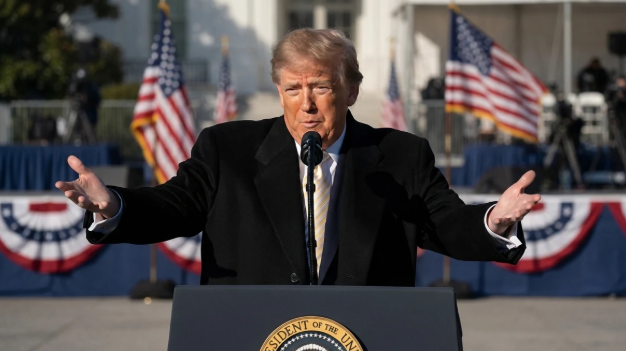
The effective US tariff rate on imported goods fell to 6.85% in the third quarter, marking the fastest decline on record and surpassing the previous record reduction set in 1972, according to figures shared by Coin Bureau. The sharp drop came despite the continued presence of import duties, following a Supreme Court decision that struck down tariffs imposed under the International Emergency Economic Powers Act (IEEPA), a decades-old statute that authorizes the US president to regulate imports during declared national emergencies.
Coin Bureau's data show the tariff burden declined by 4.45 percentage points over three quarters. Although the reduction represents an unprecedented shift in the reported data, the effective tariff rate remains more than twice its pre-2025 level, meaning US import duties are still substantially higher than before the latest changes in trade policy.
Supreme Court Ruling Changes the Tariff Landscape
The Supreme Court's decision to invalidate the IEEPA-based tariffs marked a significant development in the US trade policy framework. The ruling, however, did not eliminate tariffs altogether: replacement duties ranging from 10% to 12.5% were introduced, maintaining import restrictions even as the overall effective tariff rate declined.
The distinction between individual tariff rates and the effective tariff burden is central to reading the figures. Replacement duties do not translate into an identical rate across all imported goods, and the overall effective rate also reflects the composition of imports and the treatment of different product categories, including goods that qualify for tariff exemptions. In other words, the headline figure functions as a weighted measure of duty costs across the entire import basket rather than the level set by any single tariff schedule.
Coin Bureau reported that the effective rate reached 6.85% of goods imports in the third quarter. The 4.45-percentage-point decline over three quarters exceeded the previous record reduction recorded in 1972, making the latest movement particularly notable in the historical context of US trade policy.
Record Imports and AI Hardware Exemptions
A second factor behind the shifting tariff figures was the increase in US imports. Import volumes reached a record level as tariff-exempt artificial intelligence hardware entered the country in significant quantities. The prominence of that AI hardware gives the tariff figures a technology-sector dimension: artificial intelligence equipment now sits among the import categories shaping the country's effective duty burden.
The influx of AI-related equipment matters because goods that qualify for exemptions influence the calculation of the effective tariff rate. When imports of exempt products rise relative to goods subject to duties, the overall proportion of imports generating tariff revenue can decline, even if other import categories continue to face substantial charges.
This helps explain why the effective US tariff rate dropped so sharply without tariffs being broadly eliminated. The changing composition of imports, particularly the arrival of AI hardware exempt from duties, contributed to the reported decline alongside the changes resulting from the Supreme Court ruling.
Tariff Rates Remain Above Pre-2025 Levels
Despite the record decline, the latest figure does not signal a return to the previous US trade environment. At 6.85%, the effective tariff rate remains more than double the level recorded before 2025.
The combination of the Supreme Court's decision, replacement duties of 10% to 12.5%, and record imports of tariff-exempt AI hardware illustrates how several policy and trade factors shape the overall tariff burden. The historical comparison with 1972 also puts the latest reduction in perspective: the three-quarter decline was larger than any previously recorded reduction, according to the figures shared by Coin Bureau.
For now, the central point is that US tariffs have not disappeared. The effective rate has fallen to 6.85%, replacement duties remain in place, and the overall burden continues to exceed twice the pre-2025 level. Going forward, the same factors behind this decline — the 10% to 12.5% replacement duties, the treatment of tariff-exempt categories such as AI hardware, and the composition of import volumes — remain the variables that will shape the effective rate.
Writer: Victoria Hale, Technology & Blockchain Writer at Hokanews. Victoria Hale covers blockchain technology, digital infrastructure, and the intersection of emerging technologies with finance.
This article is for informational purposes only and does not constitute financial advice.
Source: Hokanews

