Soybean Exports and Crop Quality Top of Mind for Iowa Soybean Association at Farm Progress Show
Key Takeaways
- •Brownfield's Brent Barnett interviewed Iowa Soybean Association representatives Grant Kimberley and Brent Swart on September 3, 2026, at the Farm Progress Show.
- •The interview addressed U.S. soybean export trends and crop quality ahead of the 2026 harvest.
- •The majority of the U.S. soybean crop is sold into international markets each year, making trade policy and global competition key issues for growers.
- •Iowa is consistently one of the top soybean-producing states in the nation.
- •Crop quality factors such as protein and oil content, moisture levels, and weather or pest damage influence how soybeans grade and perform in domestic and international markets.
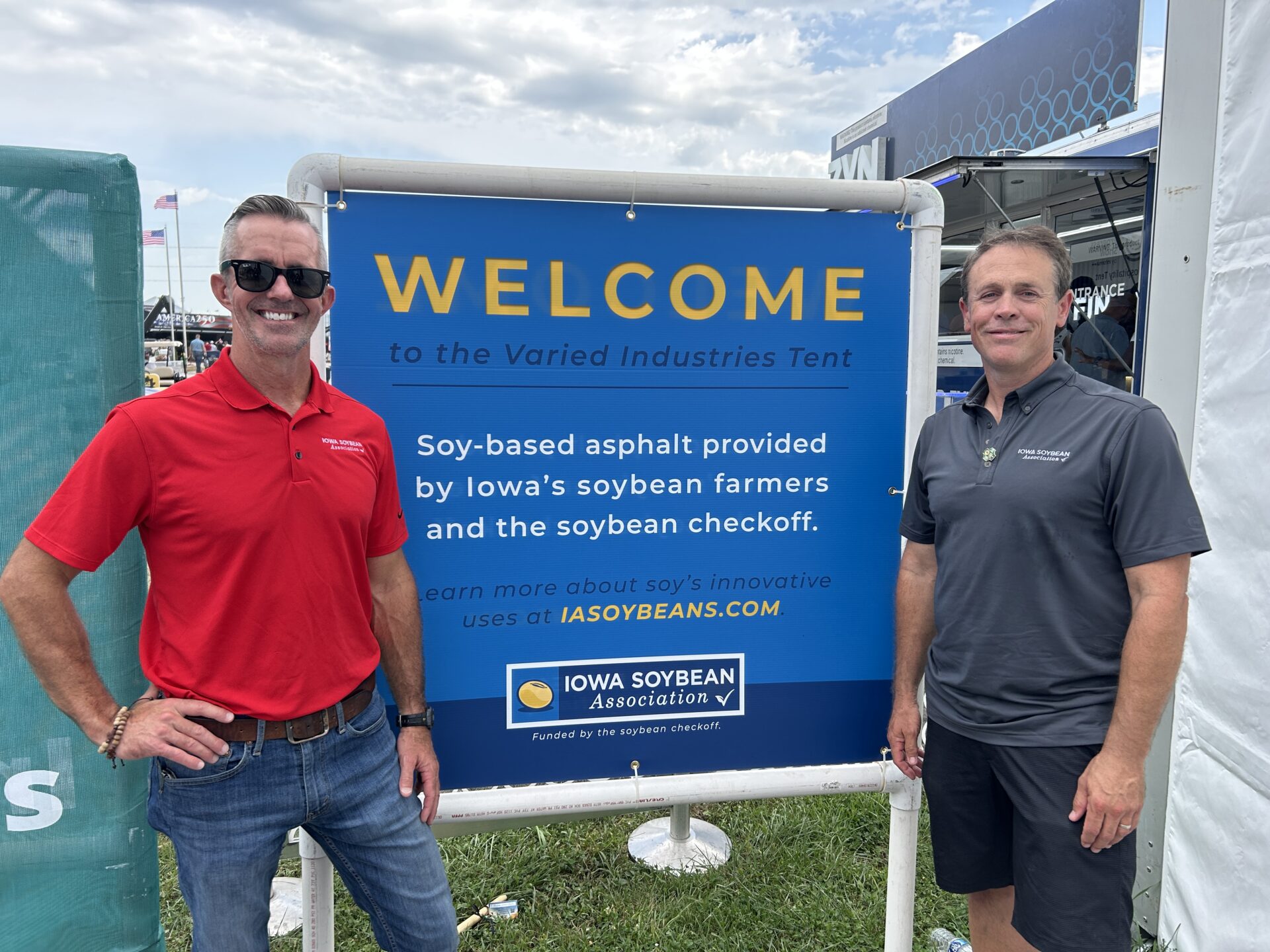
At the 2026 Farm Progress Show, Brownfield's Brent Barnett sat down with Grant Kimberley and Brent Swart of the Iowa Soybean Association to discuss the current state of U.S. soybean exports and the outlook for the 2026 growing season for soybean growers.
The conversation centered on two key topics for Iowa producers: the trajectory of American soybean exports and crop quality heading into harvest. The Farm Progress Show, one of the largest outdoor agricultural trade shows in the United States, annually draws farmers, agribusinesses, and industry organizations to showcase the latest in agricultural equipment, technology, and production practices.
The Iowa Soybean Association is a farmer-led organization that represents Iowa soybean growers on issues including market development, research, and policy. Export demand has long been a critical factor for the U.S. soybean industry, as the majority of the U.S. soybean crop is sold into international markets each year, making trade policy and global competition recurring themes for growers. Iowa is consistently among the top soybean-producing states in the nation, and the commodity's export orientation means that developments such as tariff decisions, trade agreements, and the size of competing harvests in South America directly affect demand for U.S. beans. Crop quality is similarly consequential: factors like protein and oil content, moisture levels, and damage from weather or pests can influence how a crop grades and performs in both domestic crushing and international markets, which is why quality assessments ahead of harvest are a standing point of attention for growers and buyers alike.
The interview, conducted September 3, 2026, by Brownfield's Brent Barnett, was part of Brownfield's coverage of the 2026 Farm Progress Show.
