Saudi Arabia and US Finalize Civilian Nuclear Cooperation Agreement
Key Takeaways
- •The US-Saudi 123 Agreement creates a 30-year framework for civilian nuclear cooperation and access to American nuclear technology, materials, and expertise.
- •Saudi Arabia may conduct a two-year study on whether domestic uranium enrichment is commercially viable under the agreement.
- •The deal is now subject to congressional review, where US lawmakers can approve, reject, or seek changes to its terms.
- •The framework differs from the 2009 US-UAE agreement, which required the UAE to forgo enrichment and reprocessing capabilities.
- •Saudi Arabia is pursuing nuclear power to meet rising domestic electricity demand and potentially preserve more crude oil for export.
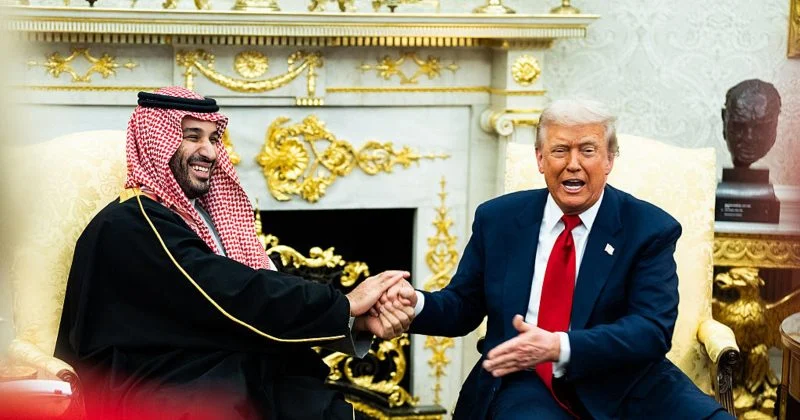
Saudi Arabia and the United States have finalized a 123 Agreement for civilian nuclear cooperation, signed by US Energy Secretary Chris Wright and Saudi Energy Minister Prince Abdulaziz bin Salman. The 30-year framework — named after Section 123 of the US Atomic Energy Act, which governs American nuclear exports — opens the door for American nuclear technology, materials, and expertise to enter the kingdom, while including a provision that earlier Gulf agreements explicitly barred: the potential for uranium enrichment inside Saudi Arabia.
What the agreement includes
The agreement, finalized around July 22-23, 2026, revives negotiations that resumed in 2025 and builds on a Joint Declaration reached in November of that year. In practical terms, it establishes a multi-billion-dollar partnership that gives US companies preferred access to help develop Saudi Arabia's nuclear infrastructure. The deal now enters a congressional review period during which lawmakers can vote to approve, reject, or modify the terms.
Under the deal, Saudi Arabia may conduct a two-year viability study into domestic uranium enrichment. If the study finds that enrichment is commercially viable, the kingdom could potentially operate enrichment facilities, possibly using US-led "black box" technologies intended to reduce proliferation risks.
The framework also includes a bilateral safeguards agreement designed to ensure compliance with nonproliferation standards. US lawmakers have already raised concerns about whether those safeguards are strong enough. The Saudi agreement marks a significant departure from the 2009 US-UAE agreement, which required the United Arab Emirates to renounce any domestic enrichment or reprocessing capabilities — a model that had been the gold standard for nonproliferation advocates in subsequent nuclear cooperation negotiations.
Why Saudi Arabia is pursuing nuclear power
Saudi Arabia holds some of the world's largest oil reserves, but domestic electricity demand is rising because of population growth and major development projects under Saudi Vision 2030. As a result, the kingdom is seeking alternative energy sources that could free up more crude oil for export. The country has flirted with nuclear power plans for over a decade, having previously received bids from suppliers including Russia, China, South Korea, and France before aligning with Washington.
Saudi Arabia also has uranium reserves that could position it as a participant in the nuclear fuel cycle. Iran's nuclear program has been a source of regional tension for decades, and Saudi Arabia's move to secure civilian nuclear capabilities with American backing changes the balance of power dynamics in the Middle East. The agreement comes amid a broader global resurgence of interest in nuclear energy, as countries from Europe to East Asia pursue reactor buildouts to meet rising electricity demand and decarbonization targets — expanding the competitive landscape for nuclear suppliers worldwide.

