US-Saudi strikes on Iran-aligned forces in Iraq lift oil above 4% as crypto traders watch volatility
Key Takeaways
- •US Central Command and Saudi forces struck Popular Mobilization Forces targets in eastern Iraq on July 28.
- •Iraqi authorities condemned the operation and said civilian casualties occurred, while at least 20 PMF fighters were reportedly killed.
- •The strikes followed more than 30 drone attacks over 72 hours against US military personnel and Saudi energy infrastructure.
- •Oil prices climbed more than 4% after the strikes, reflecting heightened geopolitical risk in the energy market.
- •The article says the situation is a macro risk event rather than a token-specific crypto story, with Brent crude the key market indicator to watch.
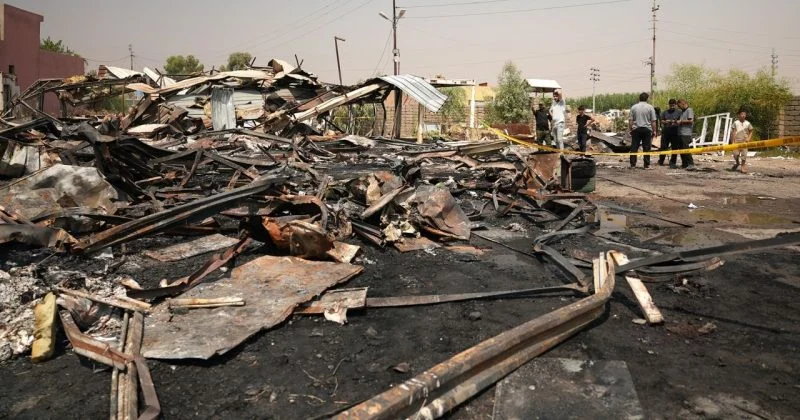
The US and Saudi Arabia launched coordinated airstrikes on Iran-aligned militia positions in eastern Iraq on July 28, sending oil prices up more than 4% the following day.
The strikes, carried out by US Central Command and Saudi forces, targeted logistics hubs and weapons sites belonging to the Popular Mobilization Forces, an umbrella of Iran-backed militias operating in Iraq. Iraqi authorities said civilian casualties also occurred and condemned the operation. At least 20 PMF fighters were reportedly killed.
The episode matters beyond the immediate military exchange because Iraq sits at the intersection of regional security, energy infrastructure, and the wider oil market. Even when the targets are military, any escalation involving forces linked to major crude-producing regions tends to be monitored closely by energy traders and risk-asset investors alike.
What triggered the strikes
The military action did not come out of nowhere. Over the preceding 72 hours, IRGC-directed forces launched more than 30 drone attacks targeting US military personnel and Saudi energy infrastructure. That amounts to roughly one attack every two and a half hours, a tempo that made some kind of response likely.
The broader conflict dates back to late February 2026, when tensions in the region reignited after a period of relative calm. This latest round of strikes is the most significant joint US-Saudi military action in the current escalation.
Iraq’s government is caught between its security relationship with Washington and the political influence of Iran-backed factions that hold seats in its parliament. Iraqi officials condemned the strikes, but their ability to prevent further operations appears limited as long as militia attacks on US and Saudi targets continue.
For markets, that mix of repeated drone activity, retaliatory strikes, and uncertainty around the next move is what keeps energy prices in focus. Traders do not need a broader regional spillover to react; even a contained cycle of attacks can change the tone in crude, and that can ripple into other asset classes.
The oil-crypto connection
Oil prices jumped more than 4% in the session after the strikes. When crude rises on geopolitical risk, it can feed into inflation expectations, which can influence interest-rate expectations and broader risk appetite. Crypto sits at the high-risk end of that spectrum.
Higher oil prices raise input costs across the global economy, making central banks less likely to cut rates or more likely to keep them higher for longer. That tightens financial conditions more broadly. Risk assets, including Bitcoin and altcoins, often struggle when liquidity conditions tighten.
Oil spikes have also historically coincided with waves of liquidations in crypto markets, especially among leveraged positions that cannot absorb a sudden shift in macro sentiment.
What crypto investors should watch
No specific tokens have been identified by major outlets as directly affected by these events. The story is macroeconomic rather than token-specific, and it affects the wider risk-asset universe, including crypto.
The key question now is whether the 72-hour stretch of more than 30 drone attacks was a one-off escalation or the start of a new baseline. The most relevant indicator to watch is crude oil. If Brent moves higher on continued hostilities, Bitcoin and major altcoins could face headwinds as the broader risk-off trade strengthens.

