US OFAC Sanctions Two Iran-Linked Crypto Exchanges Shelbit and Aban Tether
Key Takeaways
- •The US Treasury's OFAC designated cryptocurrency exchanges Shelbit and Aban Tether for enabling Iran to bypass international sanctions and channel millions of dollars in illicit finance to the IRGC.
- •Dubai-based Shelbit processed over $125 million from Iran's central bank and $20 million from Iranian crypto-mining operations since 2024, according to a Reuters report identifying it as a hub for a $4 billion sanctions-evasion scheme.
- •Iran-based Aban Tether conducted millions of dollars in transactions with multiple already-sanctioned exchanges, including Nobitex, Ramzinex, Wallex, and Bitpin.
- •OFAC simultaneously designated Iran's Shahr Bank and two Dubai-based exchange houses, Titan Exchange and Alps International, for helping retrieve revenue for Iranian oil exporters.
- •The sanctions escalation occurs as the US and Iran engage in negotiations that could potentially resolve their ongoing six-month conflict.
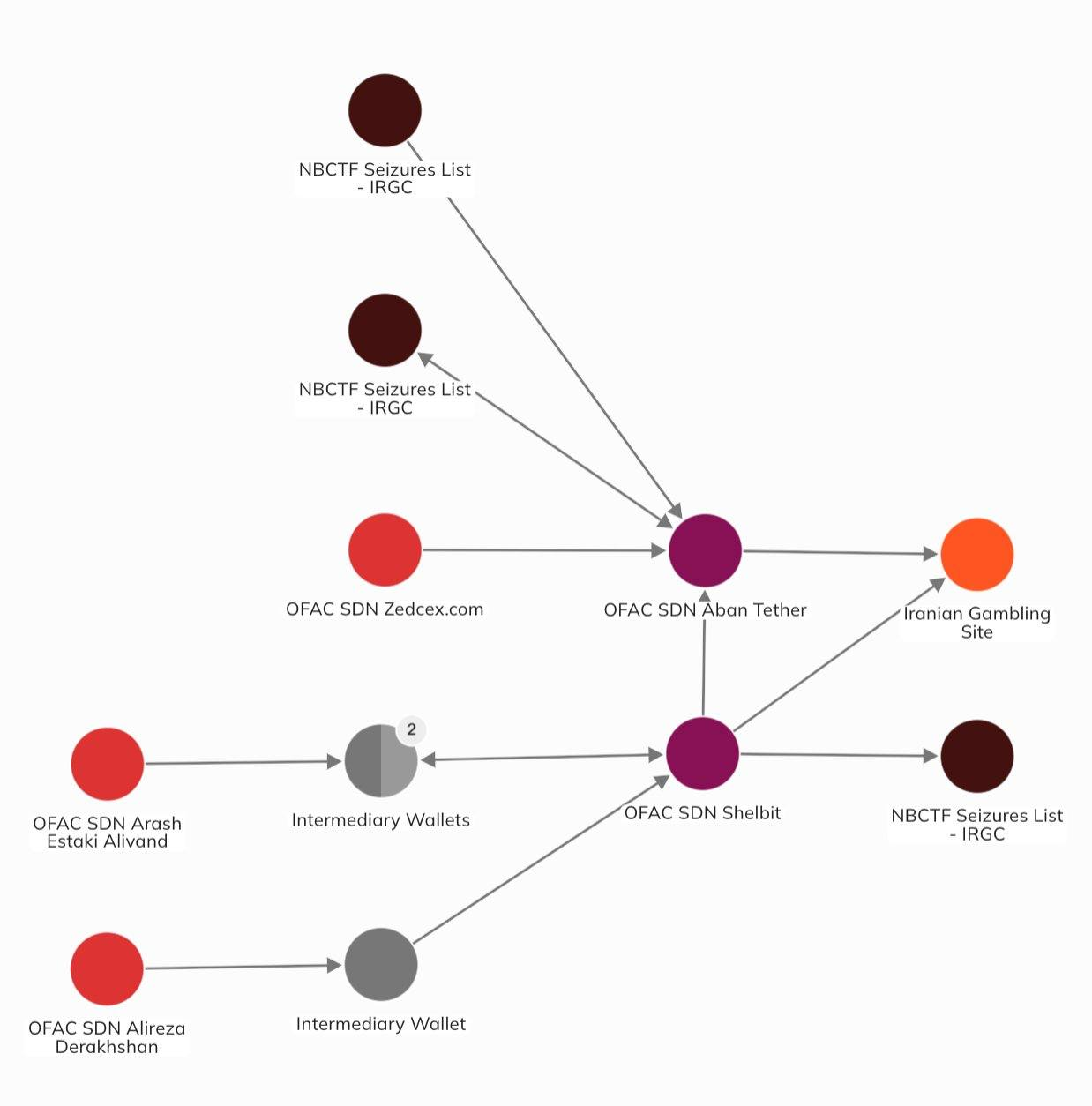
The US Treasury Department's Office of Foreign Assets Control (OFAC) has designated two Iran-linked cryptocurrency exchanges — Shelbit and Aban Tether — for enabling the country to bypass international sanctions and facilitating the movement of millions of dollars in illicit finance for Iran's Islamic Revolutionary Guard Corps (IRGC).
The action marks an escalation in the US crackdown on the Iranian crypto network and is part of what the Treasury Department has described as its broader economic pressure campaign against Tehran. OFAC designations freeze any US-connected assets and bar American persons and firms from transacting with the targeted entities, a measure that can effectively sever a platform's access to dollar-based crypto liquidity.
Shelbit: A Dubai-Based Laundering Hub
Shelbit, a Dubai-based exchange, reportedly functioned as a crypto-based money-laundering hub for the Iranian regime. Dubai has long served as a financial conduit for Iran owing to deep bilateral trade ties and geographic proximity, a dynamic that has repeatedly drawn US sanctions scrutiny to Emirati intermediaries. The platform is owned by Iran-born Siavash Kayvanpour, who has also been personally sanctioned.
According to OFAC, Shelbit received over $1 million from wallets linked to the IRGC and sent $2 million back to those wallets. The exchange also transferred funds to Nobitex, Iran's largest crypto exchange, which was previously sanctioned by OFAC.
An earlier Reuters report identified Shelbit as a hub for a $4 billion sanctions-evasion scheme by Iran. According to that report, the platform has processed over $125 million from Iran's central bank and $20 million from Iranian crypto-mining operations since 2024. Iran has legalized and regulated domestic cryptocurrency mining as a means of monetizing its energy resources, making mining proceeds a notable source of convertible digital assets. Reuters also noted that Shelbit's website had been inactive and inaccessible to users for months, even as it continued to process transactions.
Aban Tether and Links to Sanctioned Platforms
Aban Tether, which is based inside Iran, has similar connections to IRGC-linked wallets and other sanctioned Iranian crypto platforms. The exchange has processed millions of dollars in transactions with Nobitex, Ramzinex, Wallex, and Bitpin — all of which are sanctioned exchanges.
Both newly designated platforms also have ties to Iranian gambling networks. Shelbit reportedly laundered tens of millions of dollars for a gambling operation that uses Central Bank of Iran-regulated payment systems, then returned the funds to the IRGC.
Broader US Sanctions Campaign
The latest designations are part of the US government's broader economic pressure strategy targeting Iran's financial ecosystem. To date, OFAC has sanctioned more than half a dozen crypto platforms linked to Iran and frozen hundreds of millions in stablecoins associated with the country. Dollar-pegged stablecoins have become particularly important for sanctioned economies because they provide dollar-like liquidity without passing through traditional banking channels subject to US oversight.
Beyond crypto firms, OFAC also designated Iran's Shahr Bank and two Dubai-based exchange houses — Titan Exchange and Alps International — which the agency claimed helped retrieve revenue for Iranian oil exporters. The official Treasury press release can be found here.
Treasury Secretary Scott Bessent said Iran's growing dependence on shadow banking networks and digital assets demonstrates that the US strategy is having an effect.
"We will continue to increase the economic pressure. Whether in dollars, rials, or crypto, Treasury will hunt down and dismantle the illicit financial networks that keep the regime afloat," Bessent said.
Geopolitical Context
The sanctions come as the US and Iran are engaged in negotiations that could potentially resolve the six-month conflict between the two nations. US officials have indicated progress toward a deal, though Iran has insisted that Washington agree to all of its terms before it reopens the Strait of Hormuz.
Meanwhile, Iran-backed Houthi rebels continue to launch missiles and drones at Saudi vessels transiting the Bab el-Mandeb Strait and have escalated attacks on Saudi-backed Yemeni government forces.

