US Orders Another Emergency Oil Release of Up to 40 Million Barrels as Fuel Prices Surge
Key Takeaways
- •The Department of Energy authorized an offering of up to 40 million barrels from the Strategic Petroleum Reserve.
- •The sale completes the United States’ planned 172-million-barrel contribution to the coordinated international release.
- •The administration urged European countries to make similar withdrawals from their emergency oil reserves.
- •The drawdown could support fuel supplies while leaving fewer barrels available for future emergencies.
- •The Energy Information Administration’s weekly petroleum reports will show how the reserve changes during the release.
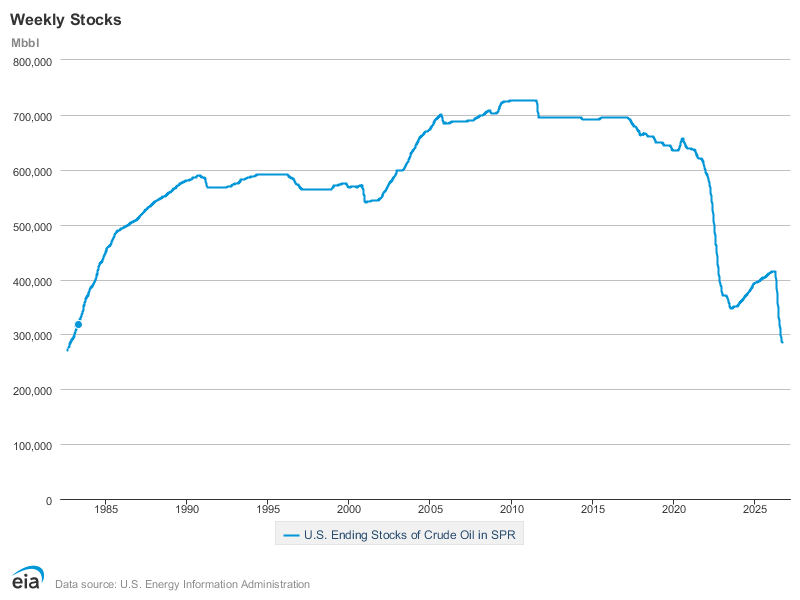
The United States has ordered another release of oil from its emergency reserves — and urged European nations to do likewise — as the Trump administration grapples with fuel prices that are surging less than two months before the midterm elections.
According to a statement from the Department of Energy, the US will offer up to 40 million barrels from the Strategic Petroleum Reserve (SPR). The offering will be the last of the nation's 172-million-barrel contribution to a coordinated release of oil from reserves around the world that has been underway since the start of the Iran war. With that final tranche, the US share of the effort is fully committed — and every barrel drawn down is one no longer held in storage against future disruptions, the inherent trade-off of tapping an emergency stockpile.
Bloomberg reported the move on September 29, citing the Department of Energy statement. The development coincides with the latest federal inventory data: the Energy Information Administration (EIA), the statistical agency of the US Department of Energy, publishes weekly US crude oil stock figures, including SPR levels, in its weekly petroleum status report — making the reserve's trajectory visible, week by week, as the drawdown proceeds.
Background: the Strategic Petroleum Reserve
The SPR is the federal government's emergency crude oil stockpile, held in deep underground salt caverns along the Gulf of Mexico coast in Texas and Louisiana. It was established in the mid-1970s following the 1973–74 oil embargo, which exposed the vulnerability of the US economy to abrupt supply disruptions.
Coordinated drawdowns of strategic stocks among oil-consuming nations have been deployed in past episodes of supply disruption, including the 2011 release during the Libyan civil war and the multi-country release initiated after Russia's invasion of Ukraine in 2022. The current coordinated release, which began with the outbreak of the Iran war, includes the US contribution of 172 million barrels, now being completed with this final 40-million-barrel offering. The appeal to European governments to release oil as well echoes the logic of those earlier efforts, in which multiple consuming countries tapped their stockpiles at the same time.
For readers following what happens next, the EIA's weekly petroleum status report the most direct checkpoint: its figures will show how much crude remains in the reserve as the final 40-million-barrel offering proceeds.
This article is based on coverage from Econbrowser, citing EIA data and Bloomberg reporting.

