U.S. July PCE Inflation Rises 3.7% as Core Inflation Stays Elevated
Key Takeaways
- •Headline PCE inflation fell to 3.7% in July from 4.1% in June, but it came in slightly above the 3.6% forecast.
- •Core PCE inflation eased to 3.3% in July from 3.4% in the prior month and matched market expectations.
- •Both headline and core inflation remained well above the Federal Reserve’s 2% target, indicating persistent price pressures.
- •The report is unlikely to trigger an immediate rate hike, but it may reduce the chances of near-term interest-rate cuts.
- •The July data support the view that the Fed may keep rates elevated for longer while waiting for clearer progress on inflation.
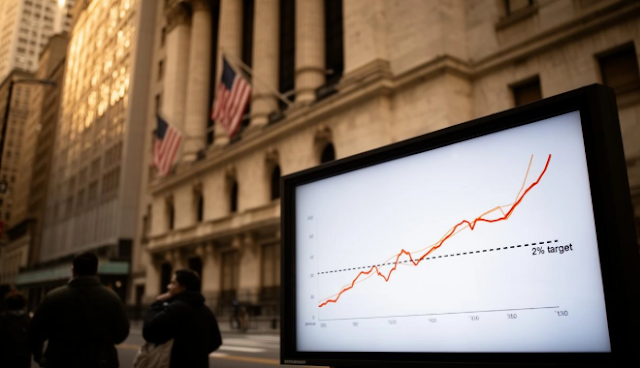
U.S. inflation rose 3.7% in July on the headline Personal Consumption Expenditures (PCE) price index, topping the 3.6% forecast while easing sharply from 4.1% in June. The latest reading suggests inflation continues to moderate, although the pace of improvement remains gradual and underlying price pressures are still well above the Federal Reserve’s 2% target.
According to data shared by @coinbureau on X, core PCE inflation came in at 3.3% in July, matching expectations. The measure slipped from 3.4% in the prior month, but it remained nearly double the Federal Reserve’s target and marked the second-highest reading since October 2024.
The report gives U.S. policymakers a mixed inflation signal. Both headline and core measures moved lower from their previous readings, but inflation remains above the Federal Reserve’s stated objective, which may limit the central bank’s ability to ease monetary policy quickly. That matters because PCE is the Fed’s preferred inflation gauge, so even modest deviations from expectations can shape how quickly officials feel comfortable adjusting rates.
Headline PCE Inflation Falls Sharply From June
The 3.7% headline PCE inflation rate represents a significant decline from the 4.1% recorded in June. Even so, the figure was slightly higher than the 3.6% forecast, showing that inflation cooled less than economists had expected.
The PCE price index is one of the main measures used to track inflation in the United States. It measures changes in the prices of goods and services purchased by consumers and gives policymakers an important gauge of broader price pressures across the economy.
A decline in headline inflation can indicate that price pressures are easing. However, the July reading also shows that inflation remains meaningfully above the Federal Reserve’s 2% target.
The gap between the actual reading and the forecast was relatively small, but it still matters because financial markets and policymakers closely watch whether inflation is falling in line with expectations.
The sharper decline from June points to progress, but the July result does not remove concerns about persistent inflation, especially since the annual rate is still elevated enough to keep the Fed focused on incoming data.
Core PCE Inflation Matches Expectations
Core PCE inflation rose 3.3% in July, in line with the 3.3% expectation. The measure eased from 3.4% in the previous month.
Unlike headline PCE, core PCE excludes food and energy prices. Because those categories can be volatile, core inflation is often used to assess underlying and more persistent price pressures.
The 3.3% July reading remains nearly twice the Federal Reserve’s 2% inflation target. It also marks the second-highest core PCE reading since October 2024.
The combination of a lower core reading and an elevated annual rate sends a mixed message for monetary policy. Inflation is moving in the desired direction compared with the previous month, but the distance from the Federal Reserve’s target remains substantial.
For policymakers, the difference between short-term improvement and sustained progress is important. A single decline does not necessarily establish a longer-term trend, especially when underlying inflation remains elevated and broader disinflation still appears gradual.
Federal Reserve Faces Continued Inflation Pressure
The latest PCE figures are unlikely to trigger an immediate rate hike, according to the assessment accompanying the data. However, they strengthen the case for keeping interest rates higher for longer while inflation remains above target.
The Federal Reserve’s policy decisions are closely tied to its view of inflation and broader economic conditions. When inflation remains elevated, restrictive interest rates can be used to curb demand and help bring price growth back toward the central bank’s target.
The July data offer both positive and negative signals from a monetary policy perspective. The decline in headline PCE from 4.1% to 3.7% marks substantial progress from the prior month. Core PCE also fell from 3.4% to 3.3%.
At the same time, headline inflation came in above the 3.6% forecast, while core inflation remained at a level nearly double the Federal Reserve’s target. That may make policymakers more cautious about moving quickly toward lower interest rates.
The data therefore reduce the likelihood of an immediate shift toward more accommodative policy, particularly if future inflation reports do not show further improvement.
July Report Could Affect Rate-Cut Expectations
The inflation report is also relevant to expectations for potential interest-rate cuts. With core PCE still at 3.3%, the latest data provide less support for rapid monetary easing than a significantly lower reading would have.
The July figures do not show that inflation has stopped declining. Instead, they indicate that the cooling process is continuing, although not at a pace that fully satisfies the Federal Reserve’s inflation objective.
The 3.7% headline reading is notably below June’s 4.1%, while the 3.3% core reading is also lower than the prior 3.4%. Still, both measures remain above the central bank’s 2% target.
As a result, the latest report may reinforce expectations that interest rates could stay elevated for longer. It also reduces the chances of near-term cuts, according to the assessment accompanying the figures.
Future inflation reports will remain important in determining whether July’s decline is part of a sustained cooling trend. Policymakers will continue to evaluate incoming data as they assess whether inflation is moving consistently toward the Federal Reserve’s objective.
Inflation Is Cooling, but Progress Remains Gradual
The July PCE report delivers a mixed message on the state of U.S. inflation. Headline inflation dropped sharply from 4.1% in June to 3.7% in July, while core PCE eased from 3.4% to 3.3%.
However, the headline figure still came in slightly above expectations, and core inflation remained nearly twice the Federal Reserve’s 2% target. The core reading also stayed the second-highest since October 2024.
Taken together, the figures show that inflation is cooling but remains persistent. The latest data do not point to an immediate rate hike, but they give policymakers reasons to remain cautious about lowering rates in the near term.
For markets and investors, the July PCE figures will remain an important indicator of the direction of U.S. monetary policy. The key question is whether inflation can continue moving lower at a sustained pace and eventually return toward the Federal Reserve’s 2% target.
Writer: Victoria Hale Technology & Blockchain Writer
Victoria Hale writes about blockchain technology, digital infrastructure, and the intersection of emerging technologies with finance. Her articles focus on how new protocols and systems are shaping the evolving digital economy. She prioritises clarity and accuracy when explaining technical developments to a general audience.

