U.S. Reports No Strikes on Iran for First Time in Two Weeks Amid Fragile Ceasefire
Key Takeaways
- •The United States did not conduct any reported strikes on Iran on Friday night, ending a two-week streak of nightly military action.
- •A fragile ceasefire between the United States and Iran remains in place despite frequent violations from both sides.
- •Prediction-market pricing for the likelihood of Iran's regime collapsing before 2027 decreased modestly from 10% to 9.5% over the past 24 hours.
- •The broader conflict situation remains fluid, with future military actions or diplomatic developments likely to influence market assessments and ceasefire stability.
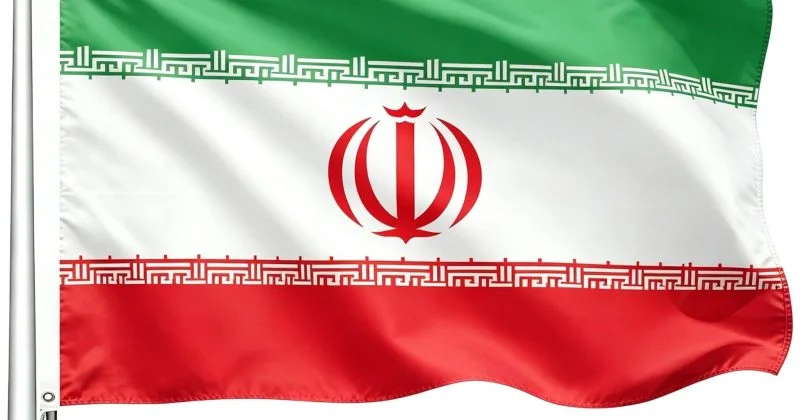
The United States did not carry out any strikes on Iran on Friday night, marking the first evening in two weeks without reported U.S. military action, according to CBS World.
The conflict, which has included repeated exchanges of strikes between U.S. and Iranian forces, remains active. However, the absence of reported U.S. strikes points to a temporary pause in hostilities. The development comes as a fragile ceasefire remains in place despite frequent violations, leaving uncertainty over the stability and direction of the current conflict cycle. In a conflict environment where individual overnight strikes can signal either renewed escalation or restraint, even a short pause is relevant for assessing whether the ceasefire is holding in practice.
Prediction-market pricing tied to the likelihood of the Iranian regime’s collapse before 2027 moved slightly lower over the past 24 hours. The YES price on that market declined from 10% to 9.5%, indicating a modest decrease in the priced probability of such an outcome. Prediction-market prices reflect the views and positioning of participating traders and should not be read as official forecasts or assessments.
The change in pricing followed the halt in reported U.S. strikes and reflects how traders are incorporating the pause into expectations around the Iranian government’s stability. The move does not resolve the broader uncertainty surrounding the conflict, as any renewed military engagement or diplomatic development could affect pricing tied to regime stability.
The situation remains fluid. Further actions by the U.S. military or Iranian forces could indicate whether the pause is sustained or whether the ceasefire breaks down again. Statements from Iranian leadership, the IRGC, or the U.S. government may also provide additional clarity on the direction of the conflict, particularly if they address compliance with the ceasefire or conditions for restraint.
Any diplomatic developments or further ceasefire arrangements would be relevant to assessments of whether the current reduction in escalation can continue. Conversely, renewed strikes by either side could alter expectations reflected in prediction-market pricing.

