U.S. Oil Rig Count Rises as Gas Rig Activity Declines
Key Takeaways
- •The total U.S. rig count held steady at 588 this week, up 51 rigs from the same period last year.
- •Oil rigs increased by 2 to 449, while gas rigs fell by 2 to 130.
- •U.S. crude production averaged 13.862 million barrels per day in the week ending August 28, up 423,000 bpd from a year ago.
- •Primary Vision's Frac Spread Count dropped by 4 to 180 crews, following a 9-crew decline the prior week.
- •The Permian Basin rig count rose by 1 to 268, standing 14 rigs above year-ago levels.
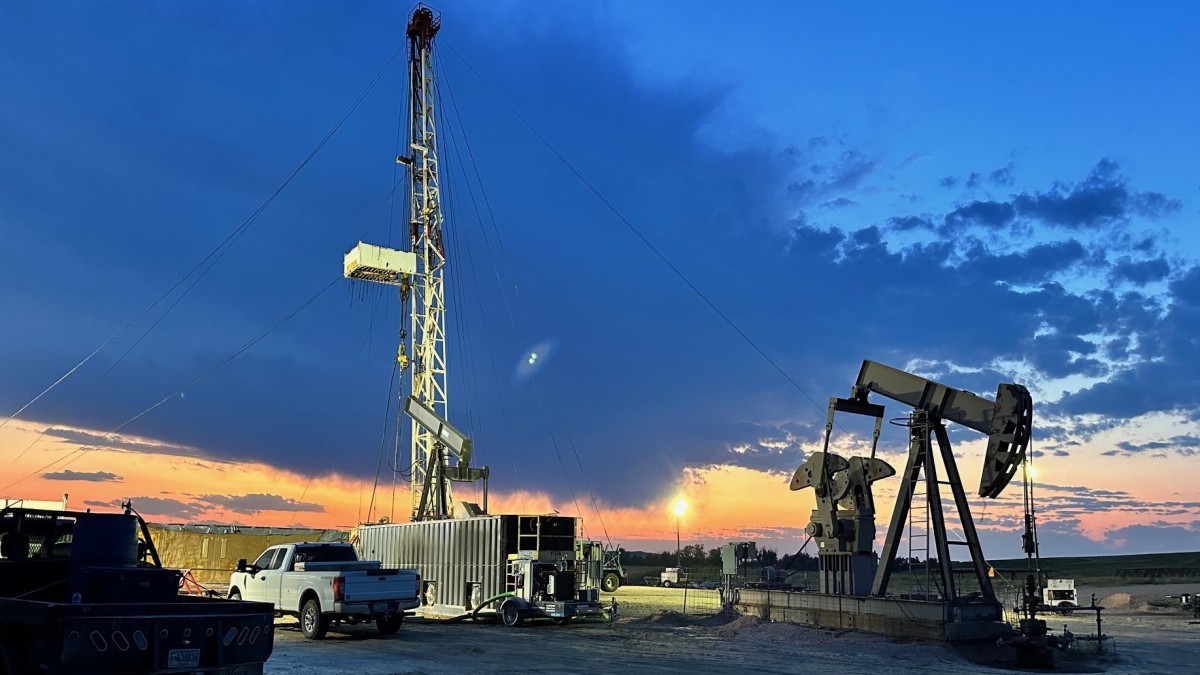
The total number of active oil and gas drilling rigs in the United States held steady this week, according to new data published by Baker Hughes on Friday, with the total U.S. rig count unchanged at 588, up 51 from the same time last year. The weekly Baker Hughes tally is closely watched as one of the earliest indicators of future U.S. oil and gas supply, since rigs added or idled today translate into production changes months later.
The number of active oil rigs increased by 2 to 449 in the latest reporting period, the data showed, a figure 35 rigs higher than a year earlier. Gas rigs fell by 2 to 130, still 12 more than at this time last year. Miscellaneous rigs remained unchanged at 9.
The latest data from the U.S. Energy Information Administration (EIA) showed that weekly U.S. crude oil production rose during the week ending August 28, averaging 13.862 million barrels per day, up from 13.843 million bpd the previous week and up 423,000 bpd from a year ago (EIA data). U.S. crude output remains near record levels, a factor OPEC+ has cited when managing its own supply policy in world markets.
Primary Vision's Frac Spread Count, an estimate of the number of crews completing oil and gas wells, fell by 4 in the week ending August 28 to 180 crews, adding to a 9-crew decline the week before. Completion activity is a further-ahead signal than the rig count, since wells must be fractured before they begin producing.
Among key shale basins, the active rig count in the Permian Basin rose by 1 to 268, 14 rigs above year-ago levels. The Eagle Ford count was unchanged at 50, 11 more than at the same time last year. The Permian, spanning West Texas and southeastern New Mexico, is the country's most productive oil basin and accounts for the majority of U.S. shale output.
Oil prices were lower on Friday ahead of the data release, with Brent crude trading at $95.27 per barrel, down 0.26%, and WTI trading down 0.77% at $90.60 per barrel (Brent chart).
By Julianne Geiger for Oilprice.com.
