USDA's Fordyce: U.S. Positioned to Produce Enough Nitrogen Fertilizer for Farmers and Export
Key Takeaways
- •USDA Undersecretary Richard Fordyce said expanded natural gas access positions the U.S. to produce enough nitrogen fertilizer for domestic farmers and export the surplus.
- •Natural gas is the primary feedstock for nitrogen fertilizers such as anhydrous ammonia and urea, making gas supply and pricing a major driver of fertilizer production costs.
- •The United States has historically imported a meaningful share of its nitrogen fertilizer, and global trade has been disrupted by events like the conflict in Ukraine.
- •Fordyce said he is encouraged by recent announcements from CF Industries and CHS to build fertilizer plants in Louisiana.
- •The comments came in a Brownfield interview at the Farm Progress Show near Boone, Iowa.
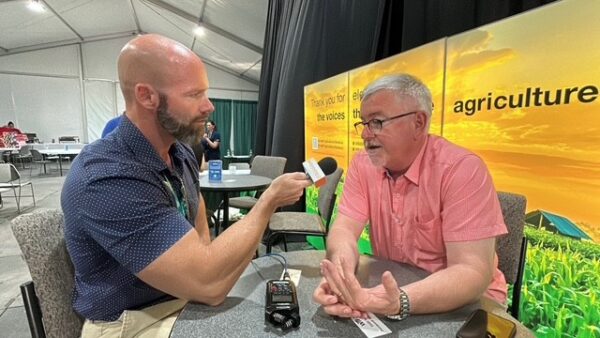
The U.S. Department of Agriculture's Undersecretary for Farm Production and Conservation, Richard Fordyce, says increased access to natural gas will help domestic fertilizer production grow, positioning the United States to supply its own farmers and export the surplus.
Speaking with Brownfield, Fordyce said new fracking technologies are paying dividends for domestic energy and fertilizer supply.
"We are now a net exporter of natural gas. Well natural gas is the key feedstock ingredient to make nitrogen fertilizer," he said.
Nitrogen fertilizer, including products such as anhydrous ammonia and urea, is produced using natural gas as its primary feedstock, which makes gas supply and pricing a major factor in fertilizer production costs for farmers. The issue carries real weight for farm budgets: fertilizer is consistently one of the largest operating expenses for row-crop producers, and nitrogen prices are closely watched as an input cost for corn in particular, which is among the most nitrogen-intensive major crops.
The domestic-production push also comes against a backdrop in which the United States has historically imported a meaningful share of its nitrogen fertilizer, and global nitrogen trade has at times been disrupted by events such as the conflict in Ukraine, which reshaped natural gas availability and fertilizer flows in Europe. Expanded U.S. capacity, including new facilities on the Gulf Coast with access to export infrastructure, could over time shift that balance.
Fordyce said the goal is to produce enough domestic nitrogen to meet the needs of U.S. farmers and export any additional supplies.
"That's where we're headed and there's some short-term things we can do, some intermediate-term things we can do, and then certainly the long-term view," he said.
He added that he is encouraged by recent announcements by CF Industries and CHS to build fertilizer plants in Louisiana.
What bears watching in the months ahead is whether additional plant announcements follow, how construction timelines progress, and whether policy measures—such as efforts to address freight rail and other transportation constraints fertilizer makers have cited—move forward alongside the added production capacity.
Brownfield interviewed the undersecretary earlier this week at the Farm Progress Show near Boone, Iowa.
Source: Brownfield Ag News
