Citadel Eyes U.S. Shale as Oil Trading Moves Closer to the Wellhead
Key Takeaways
- •Citadel has held talks with several private-equity owners of oil-weighted U.S. exploration and production companies about acquiring assets.
- •Citadel previously bid for WildFire Energy, which Magnolia Oil & Gas ultimately agreed to buy for $4.06 billion in July.
- •WildFire would have given Citadel roughly 53,000 barrels of oil equivalent per day of production, about 70% oil, plus 810,000 net acres in South Texas.
- •Citadel already owns natural gas production after buying Paloma Natural Gas from EnCap Investments in 2025 and adding assets from Comstock Resources and Azul Resources.
- •Citadel founder Ken Griffin warned in April that a six-to-12-month closure of the Strait of Hormuz could push the global economy into recession.
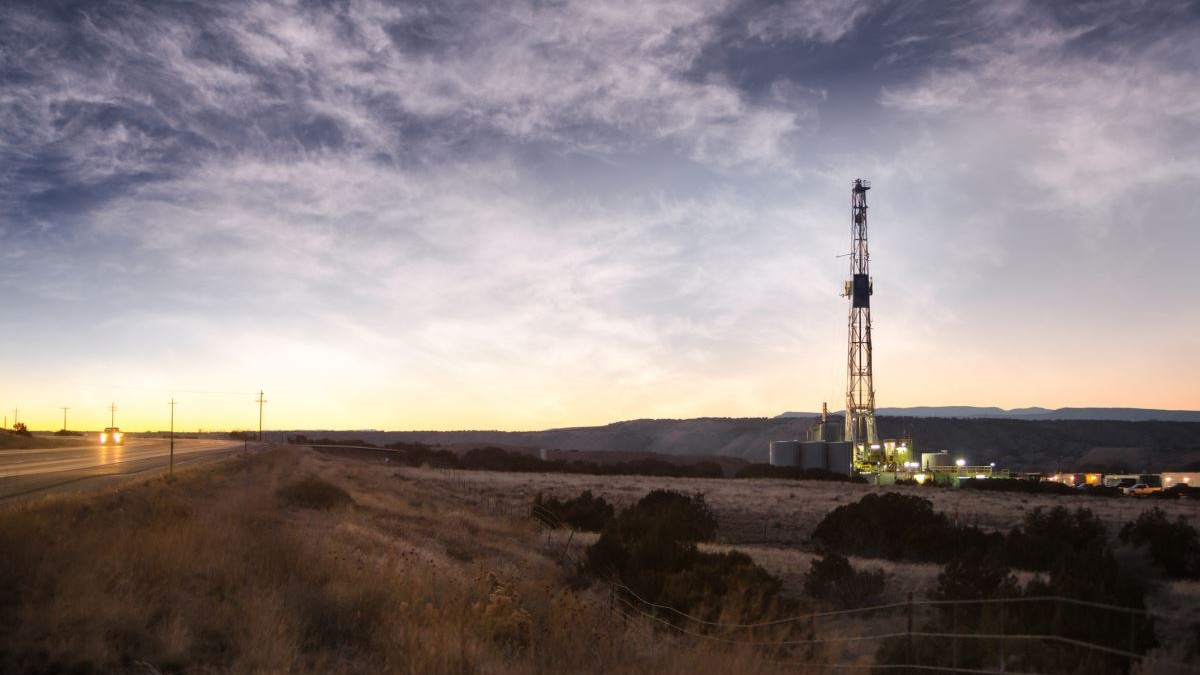
Citadel is shopping for U.S. oil production assets, including a previous bid for WildFire Energy before Magnolia Oil & Gas agreed to buy the Eagle Ford producer for $4.06 billion.
Reuters reported Friday that the hedge fund and commodities trader has held talks with several private-equity owners of oil-weighted exploration and production companies in recent weeks.
WildFire would have given Citadel roughly 53,000 barrels of oil equivalent per day of production, about 70% of it oil, plus 810,000 net acres in South Texas. Magnolia ultimately won the auction in July. The Eagle Ford, alongside the Permian and Bakken, is one of the largest U.S. shale basins, and its proximity to Gulf Coast export infrastructure has made its acreage a frequent target for consolidation.
Citadel already trades oil, natural gas, power, and other commodities, and it already owns natural gas production. The firm bought Paloma Natural Gas from EnCap Investments in 2025, renamed it Apex Natural Gas, and added more assets from Comstock Resources and Azul Resources. Oil would give Citadel another physical position behind its commodities trading business. Owning production can give a trading desk first-hand visibility into flows, storage, and logistics — information that complements paper positions in derivatives markets, a model long used by the large commodity merchants.
U.S. shale has become particularly attractive this year because its barrels do not need the Strait of Hormuz, Bab el-Mandeb, or another overseas chokepoint to reach Gulf Coast refineries and export terminals. Middle East disruptions have kept crude prices elevated and pushed U.S. producers to some of their strongest earnings in years.
That geography is something Citadel founder Ken Griffin was already worried about months ago. In April, Griffin warned that a six-to-12-month Hormuz closure would push the global economy into recession. His concern was straightforward: sustained oil shortages would raise energy costs, inflation, and transportation costs across the global economy. Owning U.S. production gives a commodities firm direct exposure to the barrels that become more valuable when overseas supply gets disrupted.
Citadel would hardly be alone in pursuing physical assets. Vitol built and later sold its VTX Energy Partners shale business. Gunvor has been pursuing more than $1 billion of Haynesville gas assets. Trading houses and banks have historically moved in and out of physical energy ownership as regulations, margins, and price cycles shifted, and the current wave of interest reflects how elevated volatility has reshaped the economics of owning barrels outright.
Private-equity-backed shale producers have traditionally been sold to larger drillers looking for acreage and scale. Citadel's interest adds another class of buyer: firms that already make money trading the price of oil and increasingly want ownership of the oil itself. Whether any deal materializes — and whether other trading firms follow — will shape how the next round of private-equity shale exits gets priced.
By Julianne Geiger for Oilprice.com
