US Natural Gas Prices Extend Decline as Supply Outlook Weighs
Key Takeaways
- •US natural gas prices fell to $2.87 per MMBtu on Monday, extending a pullback from a five-week high.
- •Energy Transfer's Hugh Brinson Pipeline begins service September 1 and will move about 2.2 Bcf/d of Permian gas to East Texas.
- •Lower 48 production averaged a record 111.4 bcfd in August, up from 110.7 bcfd in July.
- •Commodity Weather Group forecasts above-average temperatures across the eastern two-thirds of the US from September 2-11, capping price losses.
- •Cheniere's Corpus Christi facility and Freeport LNG resumed operations after maintenance, improving gas demand from export plants.
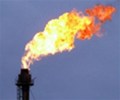
US natural gas prices fell to $2.87 per million British thermal units (MMBtu) on Monday, extending their retreat from a five-week high as traders weighed the prospect of increased supply. The benchmark price had rallied earlier in August on hot-weather demand, and the pullback reflects shifting attention back to the supply side of the balance.
A key supply-side factor is Energy Transfer LP's Hugh Brinson Pipeline in Texas, which is set to begin service on September 1. Once fully operational, the pipeline will be able to transport about 2.2 billion cubic feet per day (Bcf/d) of natural gas from the Permian Basin to East Texas, which may increase domestic gas supplies in Erath, Louisiana. New takeaway capacity of this kind matters because it relieves pipeline constraints in the Permian, where producers have sometimes had to flare or curtail associated gas when pipes were full, effectively loosening the US supply picture.
Production is also running at record levels. Output in the Lower 48 states averaged a record 111.4 billion cubic feet per day (bcfd) so far in August, up from 110.7 bcfd in July. The United States is the world's largest natural gas producer, and the Permian Basin, primarily an oil-producing region, has become a major source of associated natural gas output. Because Permian gas is a byproduct of oil drilling, its flow responds to oil-directed activity rather than gas prices, adding to supply even when gas markets are well supplied.
However, losses were capped by forecasts for warmer weather. The Commodity Weather Group said on Friday that above-average temperatures are expected across the eastern two-thirds of the United States from September 2-11, keeping cooling demand elevated. Natural gas is a key fuel for electricity generation, and hot weather typically drives up demand for air conditioning. Weather is the dominant near-term swing factor for gas prices, since roughly half of US homes use natural gas for heating and cooling loads set summer power burn; the market's focus typically shifts to winter heating demand as autumn approaches.
Meanwhile, data showed gas demand from LNG export plants improved, as Cheniere Energy's Corpus Christi facility and Freeport LNG in Texas resumed operations after maintenance. The United States is the world's largest exporter of liquefied natural gas, and feedgas demand from export terminals has become a major component of overall US gas consumption, meaning maintenance outages and restarts at these plants can move domestic prices.
Source: Trading Economics
