Iraq Delays New Projects Until Hormuz Crisis Ends and Oil Exports Resume
Key Takeaways
- •Iraq will not approve new projects or investment plans until the Hormuz crisis ends and full oil exports resume, according to Mudhar Saleh, the prime minister's financial adviser.
- •The 2027 budget is expected to be the most difficult in Iraq's modern history due to a deepening liquidity crisis, prioritizing public wages, pensions, and social aid.
- •Only 20 trillion Iraqi dinars will be allocated for completing stalled projects, with no other new project funding.
- •Iraq plans new borrowing laws based on performance and results, requiring ministries to submit accurate expenditure and employee reports before receiving funds.
- •The draft 2027 budget is expected in parliament in late October or early November, and the deficit could exceed projections if oil prices stay low and Hormuz shipping curbs persist.
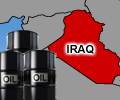
Iraq will not approve any new projects or investment plans before the end of the Hormuz crisis and the resumption of full oil exports, a senior official has said.
Mudhar Saleh, financial adviser to the prime minister, told Qatar's Al Jazeera news channel that the 2027 budget would be the most difficult budget in Iraq's modern history due to the deepening liquidity crisis.
"The government in the 2027 [budget] will give priority to paying wages to public servants, pensions and social aid… there will be no allocations for new projects or investment plans before the end of Hormuz crisis," Saleh said.
The warning underscores how heavily Iraq's public finances depend on oil revenue: crude sales account for the overwhelming majority of government income, so any disruption to export volumes directly squeezes the budget. The Strait of Hormuz, the narrow chokepoint between Oman and Iran, is the route for a large share of the world's seaborne oil trade, making curbs on shipping there a systemic risk for Gulf producers such as Iraq rather than a domestic policy issue.
He also revealed that there are plans to enact new laws to organize borrowing to fund the budget, which will be based on "performance and results" rather than the size of spending. Ministries will be required to submit "accurate" reports on their expenditures and the exact number of their employees before they receive any funds, according to Saleh.
In comments this week, Jamal Koucher, a member of parliament's finance committee, said the draft 2027 budget would be submitted to parliament in late October or early November.
Koucher warned that the actual deficit could be higher at the end of 2027 if oil prices are low and Iraq's crude exports remain restricted due to curbs on shipping through the Strait of Hormuz, a major oil outlet for Iraq and other Gulf oil producers.
"The 2027 budget will be based on performance and programmes… but there will be no allocations for new projects except for 20 trillion Iraqi dinars which will be allocated for the completion of stalled projects," he said.
Source: Zawya Projects (via Hellenic Shipping News)
