US Munitions Stockpile Concerns Emerge as Trump Weighs Iran Escalation
Key Takeaways
- •Vance and Caine reportedly raised concerns about U.S. weapons inventories during White House discussions on Iran.
- •Patriot and Tomahawk missile supplies were identified as possible constraints if the U.S. campaign expands.
- •Rebuilding major munitions stockpiles can take years depending on production capacity, procurement choices and operational demand.
- •Prediction-market pricing for a U.S.-Iran deal including Iran Reconstruction Funding shows YES shares at 29%.
- •Future U.S.-Iran diplomacy, military actions or White House statements could influence market expectations for a deal.
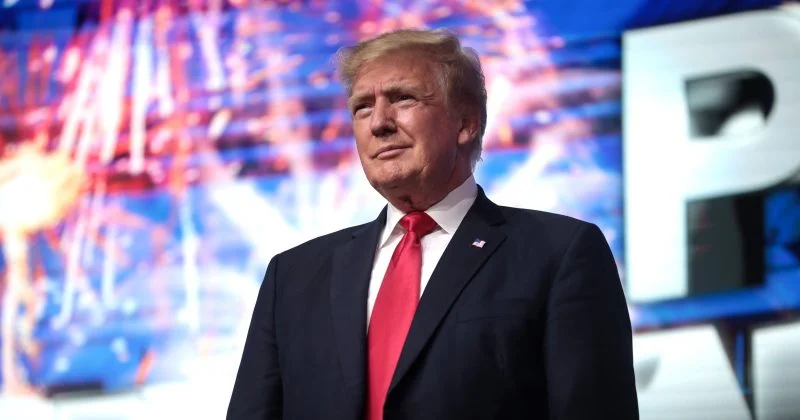
Vice President JD Vance and Joint Chiefs of Staff Chairman Gen. Dan Caine raised concerns about the condition of U.S. munitions stockpiles during a White House meeting as President Donald Trump considers escalating military action against Iran, according to CNN.
The discussions reportedly took place amid ongoing U.S. air and missile strikes in the region, prompting questions inside the administration about the sustainability of the current military campaign. Stocks of key weapons, including Patriot and Tomahawk missiles, have been identified as a possible operational constraint for the United States, particularly if the conflict with Iran expands. Such constraints matter because weapons availability can shape how long a high-tempo operation can continue and what options remain available to commanders if the scope of a campaign changes.
The reported concerns over munitions supplies come as prediction-market participants track the potential for a U.S.-Iran deal. Current pricing on markets tied to a deal that includes Iran Reconstruction Funding shows YES shares holding at 29%, indicating a lower implied probability for that outcome compared with higher levels previously reflected in the market.
Logistical limits and the time required to rebuild depleted weapons inventories could become factors in strategic planning and negotiations. Replenishing major munitions stockpiles can take years, depending on production capacity, procurement decisions and demand from ongoing military operations. That makes stockpile visibility relevant not only to immediate military planning, but also to assessments of how much flexibility Washington may have if it seeks to sustain pressure while keeping diplomatic channels open.
Related prediction markets have shown fluctuations in odds following recent developments, with participants assessing both diplomatic prospects and the implications of continued or expanded military engagement. The reported concerns raised by Vance and Caine point to the possible challenges of sustaining a high-tempo campaign if weapons demand remains elevated.
Further reporting on U.S. military capabilities and stockpile levels may be relevant to future decisions involving Iran. Developments in U.S.-Iran diplomatic contacts, additional military actions, or official White House statements on the direction of the conflict and any peace efforts could also affect how prediction markets price potential deal outcomes.

