Pyeongtaek City Unable to Reach US Military via Hotline Over Reported White Phosphorus Leak
Key Takeaways
- •Pyeongtaek city officials made three unsuccessful attempts to contact the 51st Fighter Wing via hotline regarding the reported white phosphorus leak at Osan Air Base.
- •The evacuation advisory for nearby residents was issued without US military confirmation and was lifted approximately 30 minutes later after an on-site inspection found no immediate danger.
- •The 51st Fighter Wing later confirmed the leaked substance was non-hazardous surface corrosion caused by environmental exposure and contained no trace of white phosphorus.
- •The US military is investigating a military police interpreter who initially reported the possible white phosphorus leak to local authorities.
- •The incident has highlighted long-standing concerns among Pyeongtaek officials about transparent notification protocols during emergencies at US military installations, where approximately 28,500 American troops are stationed in South Korea.
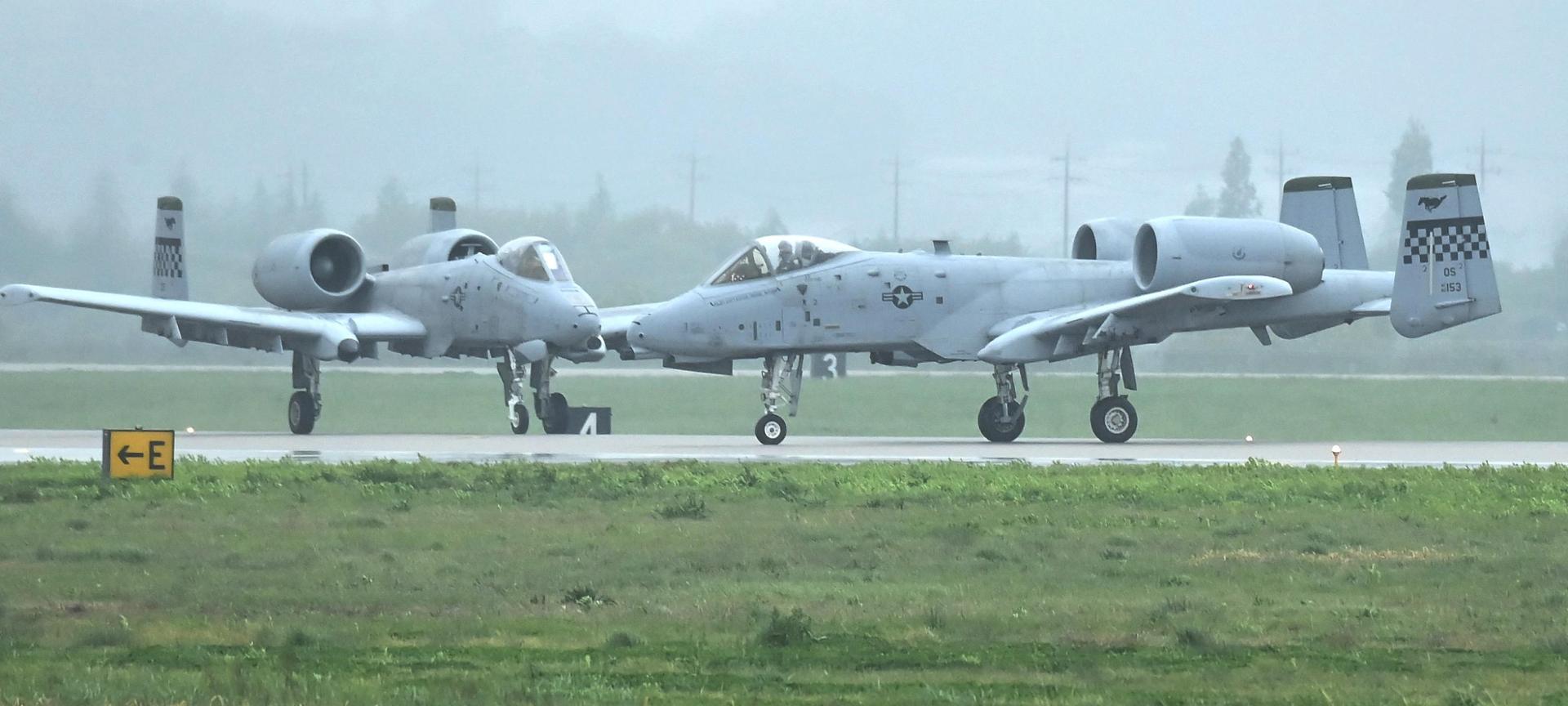
The city of Pyeongtaek made multiple attempts to contact the US military in South Korea through a telephone hotline to verify a reported white phosphorus leak at Osan Air Base last month, but the calls went unanswered, city officials said Monday, raising concerns about the reliability of a communication channel that serves as a critical link between US Forces Korea and the communities hosting its installations.
Officials familiar with the matter told Yonhap News Agency that the city, which hosts the Osan base approximately 60 kilometers south of Seoul, attempted to reach the 51st Fighter Wing by phone on three separate occasions to confirm the reported leak but was unable to make contact.
On July 28, the 51st Fighter Wing at Osan Air Base announced the discovery of a white phosphorus residue leak inside a munitions crate during a routine inspection, prompting city authorities to issue an evacuation advisory for nearby residents. White phosphorus is used in military munitions for smoke-screening, illumination, and incendiary purposes, and is classified as a highly hazardous substance that can cause severe burns and organ damage upon contact.
"We could not reach the US military through the hotline," a city official stated, referring to the communication channel maintained between the municipal government and the US Air Force unit. The official explained that the city government decided to issue the emergency evacuation alert based on guidance from firefighting authorities, given that white phosphorus is classified as a highly hazardous substance.
The evacuation advisory was issued shortly after the repeated calls to the US fighter wing went unanswered. It was subsequently lifted approximately 30 minutes later following an on-site inspection that determined the incident posed no immediate danger.
The 51st Fighter Wing later released a statement clarifying that the leaked substance was not white phosphorus and contained no trace of the toxic material. It was identified as "non-hazardous surface corrosion resulting from environmental exposure over time."
The 51st Fighter Wing did not directly address questions regarding the unanswered calls but pledged to improve information-sharing procedures.
"We value our close partnership with Pyeongtaek City and remain committed to maintaining open and timely communication with our Korean counterparts," the wing told Yonhap. "We will continue working with our local partners to strengthen coordination and ensure timely information sharing during future incidents."
The incident underscores the operational challenges inherent in civil-military coordination around US bases in South Korea, where approximately 28,500 American troops are stationed under a mutual defense treaty. Pyeongtaek, home to both Osan Air Base and Camp Humphreys — the largest overseas US military installation — has previously grappled with base-related safety concerns, and local officials have long called for more transparent notification protocols during on-base emergencies.
Separately, the US military is reportedly investigating a US military police interpreter who had initially contacted local police to report the possible white phosphorus leak. The investigation aims to determine whether the interpreter's response to the situation was appropriate, according to informed sources.

