XRP Outlook Draws Attention Following Coordinated U.S.-Japan Currency Intervention
Key Takeaways
- •The United States and Japan conducted a coordinated currency intervention to support the depreciating yen, with officials indicating willingness to act again if necessary.
- •The joint intervention is only the second of its kind between the two nations in recent years, following a similar action in 2022.
- •Ripple's XRP Ledger was not used in the intervention, but the event highlighted increasing demand for faster and more capital-efficient cross-border settlement infrastructure.
- •Japan remains a key market for Ripple, supported by SBI Holdings ventures and a formal stablecoin regulatory framework introduced in 2023.
- •The G20, Financial Stability Board, and Bank for International Settlements have all published roadmarks prioritizing improvements to cross-border payment efficiency.
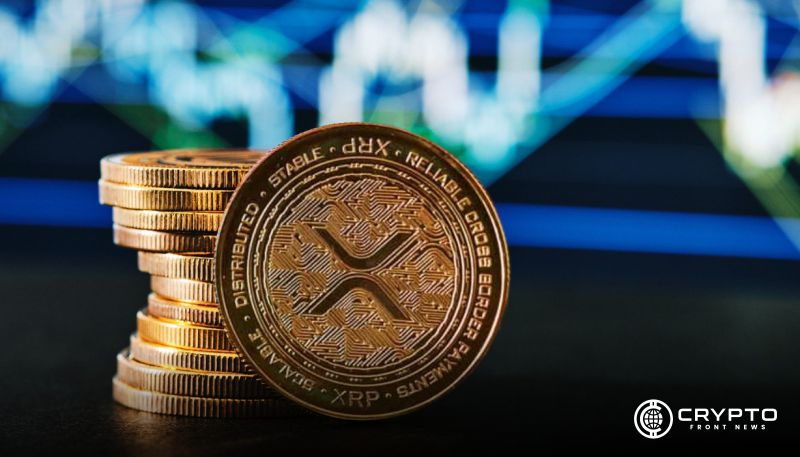
Coordinated currency intervention by the United States and Japan has renewed focus on cross-border liquidity infrastructure, bringing fresh attention to Ripple's expanding payment network and its role in global settlement modernization.
U.S.-Japan Currency Action Renews Liquidity Discussion
Commentary from X Finance Bull followed coordinated foreign-exchange intervention by both governments, centering on broader financial stability concerns and their connection to payment infrastructure.
U.S. Treasury Secretary Scott Bessent confirmed American participation alongside Japanese authorities. The intervention was aimed at supporting the weakening Japanese yen, and officials indicated that additional action remains available if necessary.
The report explained why currency stability extends well beyond financial markets. A weaker yen raises import costs across Japan, placing additional economic pressure on businesses and households. Large exchange-rate swings also affect global investment activity, as leveraged positions become more vulnerable during periods of volatility. Financial authorities continue to monitor international liquidity conditions closely.
Coordinated currency interventions of this type are relatively rare; the last comparable U.S.-Japan joint action occurred in 2022, underscoring the severity officials attach to sustained yen depreciation and its downstream effects on trade balances and capital flows.
Ripple Infrastructure Draws Fresh Market Attention
The commentary later shifted toward Ripple and the XRP Ledger, while clearly stating that XRP was not used in the intervention. Rather, the operation illustrated growing demand for efficient settlement infrastructure.
Ripple continues developing technology designed to support faster international value transfers. The XRP Ledger settles transactions within seconds and reduces dependence on pre-funded correspondent banking accounts — the nostro/vostro model that has dominated cross-border payments for decades and typically ties up significant institutional capital across intermediary banks.
Japan remains one of Ripple's strongest international markets. SBI Holdings continues to support Ripple through several ventures, with SBI Ripple Asia and SBI Remit serving as important components of that ecosystem. Japan's regulatory environment has been comparatively proactive: the country introduced a formal stablecoin framework in 2023 through amendments to its Payment Services Act, providing licensed venues with clearer operating parameters than many jurisdictions.
Ripple and SBI Group have also expanded their cooperation through RLUSD. SBI VC Trade introduced support for the stablecoin, strengthening Ripple's operational presence across Japan's regulated digital asset market.
Macro Narrative Shapes XRP Outlook
The commentary argues that current monetary policy addresses immediate financial stability concerns, while Ripple focuses on settlement efficiency. Both developments address different parts of international finance: traditional intervention relies on central bank coordination and foreign-exchange operations, whereas blockchain payment infrastructure seeks to improve settlement speed and capital efficiency between institutions.
The G20 has identified cross-border payment efficiency as a priority, with the Financial Stability Board and Bank for International Settlements publishing roadmaps aimed at reducing cost, speed, and transparency gaps in legacy rails. These initiatives provide broader policy context for why infrastructure modernization discussions intensify after repeated liquidity events.
Financial institutions continue evaluating settlement technology, and cross-border payment efficiency remains an active area of development.
XRP, as discussed throughout the report, remains connected to Ripple's long-term infrastructure strategy rather than the intervention itself. No evidence suggests the currency operation involved XRP directly. Instead, the broader discussion keeps attention on payment modernization as governments manage evolving global liquidity conditions.

