US Official Reports Progress in Iran-Oman Talks on Strait of Hormuz Shipping
Key Takeaways
- •An unnamed US official told Reuters that discussions involving Iran and Oman to secure the Strait of Hormuz for commercial shipping are making progress.
- •The United States will lift its blockade of Iranian ports once a deal is announced to restore unimpeded commercial shipping through the strait.
- •The Strait of Hormuz carries approximately 20 million barrels of oil per day, representing roughly one-fifth of global oil consumption.
- •Oman has historically served as a diplomatic intermediary between Iran and Western governments, including hosting talks that laid groundwork for the 2015 nuclear agreement.
- •The official's comments put downward pressure on oil prices, though no final agreement has been announced and markets remain cautious.
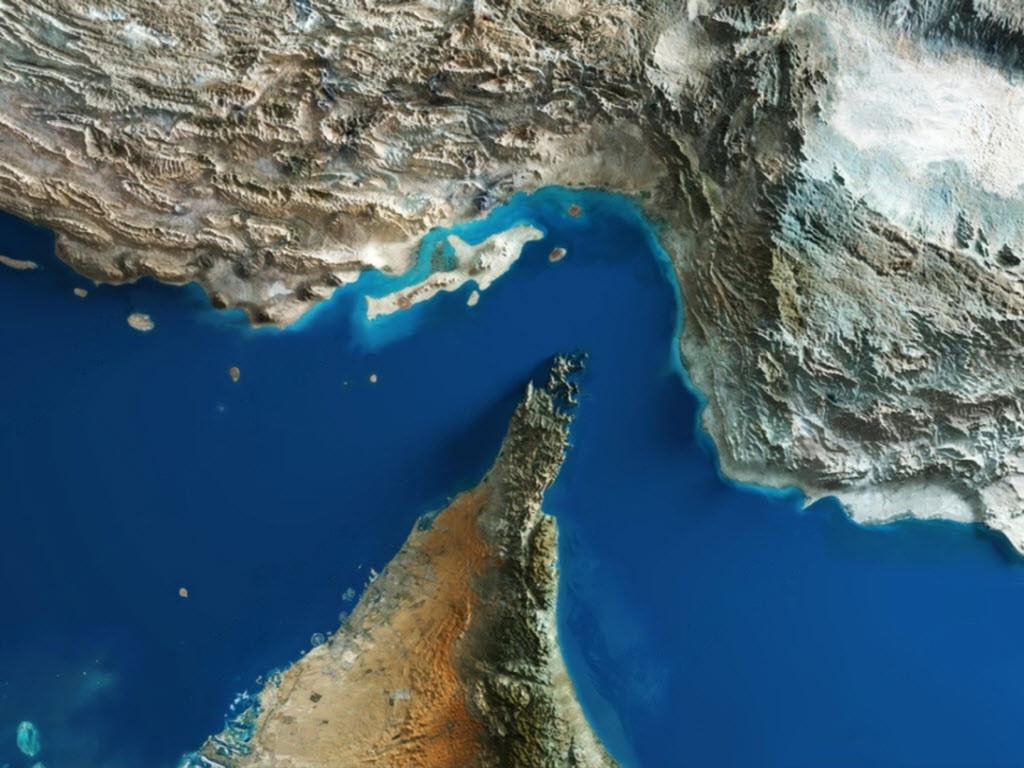
An unnamed US official told Reuters that progress is being made in discussions involving Iran and Oman aimed at securing the Strait of Hormuz for commercial shipping.
According to the official's remarks, US actions will continue to be performance-based and tied to Iran's implementation of its commitments. The official indicated that once a deal is announced to restore commercial shipping without impediments through the strait, the United States will lift its blockade of Iranian ports.
The comments, reported via Reuters, put downward pressure on oil prices as markets assessed the potential for reduced disruption to one of the world's most critical energy transit routes. The Strait of Hormuz carries roughly 20 million barrels of oil per day, and major producers including Saudi Arabia, Kuwait, Iraq, and the United Arab Emirates depend on it for the bulk of their exports. Disruptions there have historically triggered sharp price spikes, and the current tensions have kept a risk premium embedded in energy markets for months.
The Strait of Hormuz is a narrow chokepoint at the mouth of the Persian Gulf, situated between Iran and Oman. It connects the Persian Gulf to the Gulf of Oman and the Arabian Sea. Approximately one-fifth of global oil consumption passes through the strait, making it a vital artery for international energy markets. Iran has repeatedly warned it could close the waterway if its own trade and oil exports were blocked, and prior incidents involving tanker seizures and mine attacks have underscored how quickly shipping insurance costs and freight rates can climb when security is in question.
Oman has historically served as a diplomatic intermediary between Iran and Western governments, leveraging its neutral stance and ties to both sides to facilitate dialogue. Muscat has previously hosted backchannel talks between Washington and Tehran, including discussions that laid groundwork for the 2015 nuclear agreement.
The US official's remarks signal a potential de-escalation, though no final agreement has been announced. Market participants are weighing the implications of a possible deal against the uncertainty that has surrounded the shipping lane, with attention now turning to whether Iran follows through on any commitments and how quickly commercial traffic could normalize.
Source: investingLive

