Trump Reportedly Frustrated as US-Iran Conflict Enters Fifth Month Without Resolution
Key Takeaways
- •The US-Israel-Iran conflict has entered its fifth month after initially being expected to end quickly.
- •Ongoing airstrikes and retaliatory attacks have increased diplomatic pressure and left no clear path to a ceasefire.
- •Prediction market odds for a 2026 US-Iran deal including Iran reconstruction funding are currently around 28.5% to 31% on the YES side.
- •Reconstruction funding in a potential agreement would indicate an economic recovery and post-conflict stabilization component.
- •Further military escalation, renewed negotiations, mediator actions, or official statements could change market expectations.
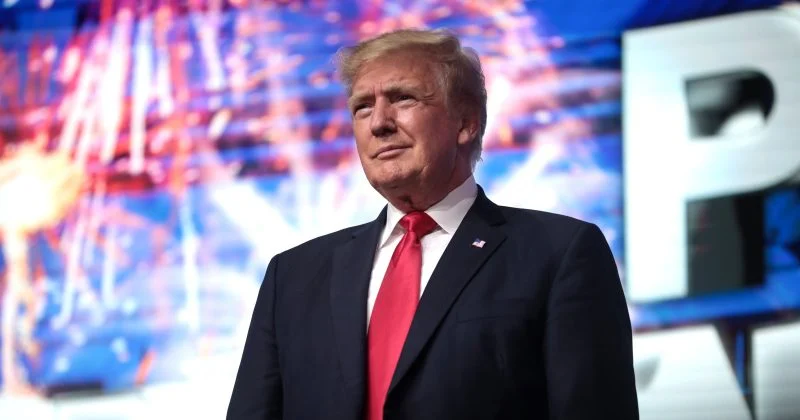
The armed conflict involving the United States, Israel, and Iran has now entered its fifth month, with President Donald Trump reportedly expressing growing frustration over the prolonged duration of hostilities. According to the Wall Street Journal, the engagement was initially anticipated to be short-lived but has instead dragged on through a sustained campaign of airstrikes and retaliatory attacks.
The continued fighting has created significant diplomatic hurdles and placed negotiations under heavy strain. The regional security situation remains tense, with no clear pathway to a ceasefire or political settlement currently visible. In conflicts involving direct US and Iranian interests, even limited battlefield developments can complicate diplomacy by narrowing political room for compromise and increasing pressure on negotiators to show firmness.
Prediction markets tracking the prospects of a US-Iran diplomatic deal appear to reflect this stalled progress. Market pricing indicates a diminished likelihood that Iran reconstruction funding will be included as part of a US-Iran agreement in 2026. Current odds for a deal incorporating reconstruction funding hover between 28.5% and 31% on the YES side, representing a modest fluctuation over the past week. Reconstruction funding would represent more than a ceasefire mechanism; it would suggest that any agreement includes an economic recovery component and a framework for post-conflict stabilization. The persistence of hostilities and the absence of meaningful diplomatic headway are consistent with declining expectations for a near-term breakthrough.
Several variables could shift the current trajectory. Potential developments include further military escalations or, alternatively, renewed diplomatic initiatives. Changes in the negotiating positions of either the United States or Iran, as well as interventions or statements from key mediators, could materially alter the outlook. A new round of talks or a significant escalation in military operations would likely influence market perceptions of whether the conflict is moving toward resolution or deepening further. Public statements from President Trump or senior Iranian officials regarding their respective strategic objectives may also provide signals about the future direction of the conflict and any associated diplomatic outcomes.

