US Intelligence Says China Accessed Restricted Nvidia AI Chips in MSS-Led Campaign
Key Takeaways
- •US intelligence assessments point to China's Ministry of State Security, led by Chen Yixin, as the organizer of a campaign dating to late 2024 to help Chinese companies acquire and smuggle restricted Nvidia GPUs.
- •Independent analyses detected hardware signatures matching Nvidia's Blackwell B200 and GB200 chips in Chinese AI models from developers including DeepSeek, Moonshot AI and Ant Group, with an estimated 7,000 to 22,000 such GPUs possibly used in training runs.
- •Public procurement records show hundreds of Chinese military tenders for Nvidia A100 and H100 chips issued between 2019 and 2025, spanning both before and after the 2022 US export controls.
- •On November 16, 2026, the Trump administration announced rules requiring licenses for overseas data centers serving Chinese entities and restricting shipments through intermediary countries such as Singapore and Malaysia.
- •The US Commerce Department is investigating diversion networks tied to Singapore-based Megaspeed International's Nvidia purchases, which have reportedly shown potential links to facilities connected to the People's Liberation Army.
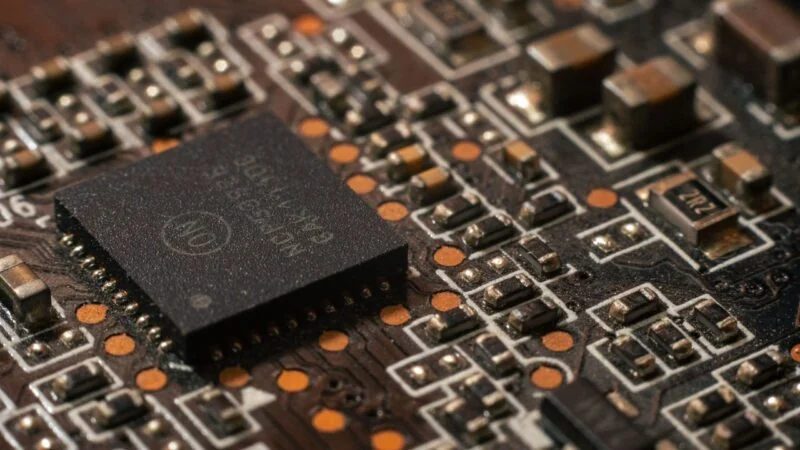
US intelligence has confirmed that China gained access to advanced American AI chips — the same hardware Washington built an entire export-control regime to keep out of Beijing's hands. According to CryptoBriefing, the assessments point to an unexpected organizer: China's Ministry of State Security (MSS), the country's main civilian intelligence service, which has spent at least two years pursuing restricted Nvidia GPUs.
A State-Run Effort Behind the Smuggling
According to the US intelligence assessments, the MSS campaign dates back to late 2024 and has been run under the leadership of Chen Yixin, who heads the ministry.
The effort was no simple shopping trip. Rather than relying on straightforward purchases, the MSS reportedly coordinated work to help Chinese companies acquire and smuggle chip technology, while simultaneously gathering intelligence on the supply chains that move such hardware around the world.
The main target was Nvidia GPUs. Graphics processing units are the workhorses of modern AI training because they handle the enormous volumes of parallel computation that large models require — and Nvidia dominates the global market for them. That makes the chips both indispensable to AI development and squarely subject to strict US export controls, which Washington first imposed on advanced AI chips bound for China in 2022 and has expanded to successive chip generations since.
The evidence extends beyond spy reports. Independent analyses found that leading Chinese AI models carry hardware "fingerprints" consistent with Nvidia's Blackwell-series chips — specifically the B200 and GB200 variants. One analysis put a number on it: between 7,000 and 22,000 Nvidia Blackwell GPUs were potentially used in Chinese AI model training runs.
Several prominent names surface in the findings. DeepSeek, Moonshot AI and Ant Group — among China's most prominent AI developers — have been linked to models showing evidence of the chip acquisitions, which suggests a systematic effort to circumvent US limits rather than a few isolated leaks.
The military side has its own paper trail. Public records show Chinese military procurement for Nvidia A100 and H100 chips has been ongoing, with hundreds of tenders issued between 2019 and 2025. Those two chip families were the first to be restricted for China in 2022, meaning the tender record spans both the era before controls took effect and the years since.
Washington Tightens the Screws
The policy response arrived on November 16, 2026, when the Trump administration announced new rules requiring licenses for overseas data centers that serve Chinese entities. Where earlier rounds of controls focused on where chips physically ship, the licensing requirement extends oversight to facilities that could give Chinese entities access to restricted compute once the hardware is installed abroad. The rules also restrict shipments through several intermediary countries, including Singapore and Malaysia — both major Southeast Asian hubs for electronics trade and data-center operations — targeting procurement networks suspected of diverting advanced chips to China.
One company sits at the center of that scrutiny. Singapore-based Megaspeed International has made significant purchases of Nvidia hardware, and the US Commerce Department is investigating diversion networks tied to those buys. The probe has reportedly turned up potential links to facilities connected to the People's Liberation Army (PLA), China's military.
Higher Stakes for Chipmakers and the AI Race
The findings matter for chipmakers, intermediaries and the broader AI race. The involvement of a state intelligence agency raises the stakes considerably: smuggling by profit-seeking middlemen is a customs problem, while a coordinated campaign by a national security ministry, complete with supply-chain intelligence gathering, is a strategic one.
There are a few things worth watching from here. The first is the outcome of the Commerce Department's investigation into Megaspeed and any confirmed links to PLA facilities. The second is how aggressively the new data center licensing rules are enforced in practice.
Disclosure: The source report, edited by John Chen, was published by CryptoBriefing on November 22, 2026.

