US Housing Starts Fall 2.6% in August as Multifamily Construction Plunges 22%
Key Takeaways
- •Overall US housing starts fell 2.6% in August to an annual 1.28 million units, short of the 1.32 million pace economists had projected.
- •Multifamily starts plunged almost 22%, while single-family construction rose 7.6% to an annualized 918,000, the fastest pace since March.
- •Housing completions dropped nearly 12% to the slowest rate since the end of 2018, leaving fewer newly built homes arriving on the market for buyers and renters.
- •Building permits, a signal of future construction, declined 2.7% in August, with single-family permits down 1.8% to an annualized 878,000.
- •The average 30-year mortgage rate approached 7% last week, the highest level in more than a year, lifting monthly payments for prospective buyers and raising financing costs for builders.
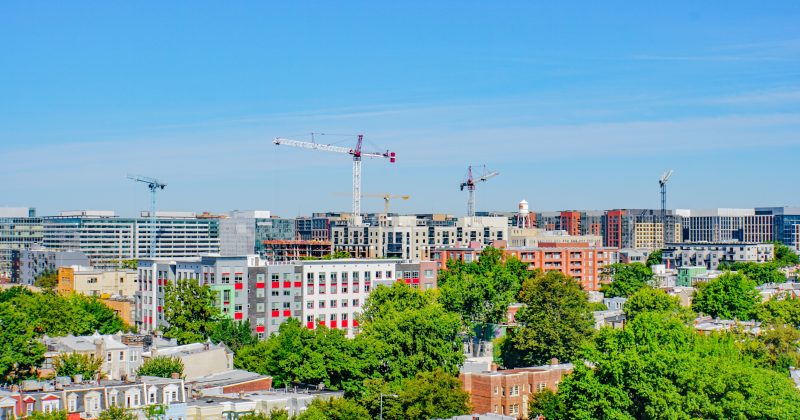
US housing starts fell unexpectedly in August, as a steep decline in multifamily construction outweighed a pickup in single-family building.
Overall starts — a measure of groundbreaking on new residential units — decreased 2.6% to an annualized rate of 1.28 million, government data released Thursday showed, falling short of the 1.32 million pace that economists surveyed by Bloomberg had projected. Starts of multifamily projects, which cover multi-unit structures such as apartment buildings, plunged almost 22%. By contrast, single-family construction rose 7.6% to an annualized 918,000, the fastest pace since March, supported by increases in the West and Midwest.
Housing completions, which track homes finished and ready for occupancy, dropped nearly 12% to the slowest rate since the end of 2018, while completions of single-family homes fell to their lowest level since before the pandemic — leaving fewer newly built homes arriving on the market for buyers and renters.
The figures underline the pressure facing the residential real estate market as mortgage rates rise and affordability remains constrained. Builders may also be reluctant to break ground on additional projects while inventories remain above pre-pandemic levels.
"Elevated and rising borrowing costs are holding developers back," Bradley Saunders, North America economist at Capital Economics, said in a note. He said the decline in housing starts likely has further to run.
Looking ahead, overall building permits, a signal of future construction, fell 2.7% in August. Permits for single-family homes declined 1.8% to an annualized 878,000.
Home construction has reduced economic growth in five of the past six quarters through residential investment, the component of gross domestic product that covers home building. The Atlanta Federal Reserve's GDPNow forecast estimates that residential investment will subtract 0.16 percentage point from third-quarter growth.
The average 30-year mortgage rate approached 7% last week, the highest level in more than a year — a level that lifts monthly payments for prospective buyers and raises financing costs for builders.
By region, starts in the South fell 1.3% to a three-month low, while construction rose in the West. The government report noted a wide margin of error, estimating with 90% confidence that the monthly change in starts could range from a 14.6% decline to a 9.4% gain.

