U.S. Energy Production Cushions Global Supply Shock From Strait of Hormuz Closure
Key Takeaways
- •The Strait of Hormuz normally facilitates about 20% of global daily oil consumption, and its closure created a systemic shock to worldwide energy markets.
- •The United States became the world's largest crude oil producer in 2018 and largest LNG exporter in 2023, positioning it to partially offset the lost Middle Eastern supply.
- •American petroleum and middle distillate inventories have fallen below five-year seasonal averages, with middle distillates specifically 12% below the benchmark, leaving domestic infrastructure with thin margins of error.
- •The national average gasoline price has risen to approximately $4 per gallon, nearly one dollar higher than pre-war levels and roughly $0.90 above the same period a year earlier.
- •The U.S. oil and gas sector has invested approximately $150 billion annually in upstream production since the shale revolution began, building the capacity now helping stabilize global markets.
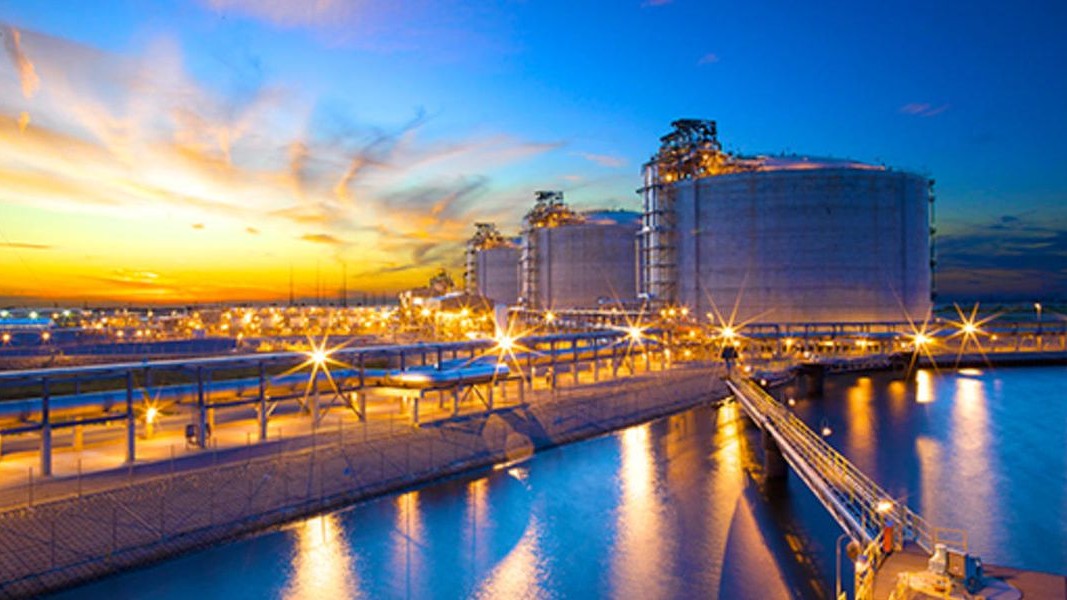
The United States energy sector has played a pivotal role in softening the impact of a sudden loss of oil and LNG supply from the Middle East, triggered when the Strait of Hormuz was closed to maritime traffic—a disruption that sent refiners and natural gas importers across the globe scrambling for alternative sources. The Strait of Hormuz is one of the world's most critical energy chokepoints, through which roughly 20% of global oil consumption normally transits each day, making any blockade a systemic shock to energy markets worldwide.
Record American crude oil output, combined with massive natural gas production and expanding LNG export capacity, did not emerge overnight. These capabilities were built over decades, during which energy companies invested billions of dollars annually to expand oil, natural gas, and refined fuel supply, the American Petroleum Institute (API) noted in an analysis published this week. The United States has been the world's largest natural gas producer since 2011 and overtook both Russia and Saudi Arabia to become the top crude oil producer in 2018—a shift that fundamentally altered global energy trade flows long before the current crisis.
However, serving as what API described as "the world's energy stabilizer" has imposed tangible costs on the domestic U.S. energy system. American inventories of crude oil and petroleum products have dropped below the five-year seasonal average, leaving the production, refining, and export infrastructure with increasingly thin margins of error.
The disruption stemming from the Iran conflict remains unresolved. Even so, record U.S. oil production and fuel exports have helped keep global crude prices in check for most of the past five months, supported by persistent market expectations that a resolution to the conflict could be near.
"Markets remain tight, inventories are low and uncertainty around the Strait of Hormuz and other key shipping lanes persists. Yet, America's energy system has helped cushion what could have been a much more severe shock," API stated. (Related: ADNOC Reports 15 Vessel Attacks as Hormuz Risks Mount)
Since the onset of the shale revolution, the U.S. oil and natural gas sector has invested approximately $150 billion each year in upstream production alone, according to API's estimates. Those outlays, supplemented by additional billions directed toward pipelines, export terminals, and other critical infrastructure, have fundamentally reshaped America's position in global energy markets.
That transformation is now evident. The United States has posted record crude oil production and export volumes, along with record fuel exports in recent months, as the world contends with the crisis set off by the war in Iran and the closure of the Strait of Hormuz. U.S. LNG export capacity has also expanded significantly, with the country becoming the world's largest LNG exporter in 2023—status that has proved especially consequential as Middle Eastern LNG shipments through the Strait were halted.
These historically high export levels are naturally drawing down U.S. inventories, even as refineries operate at elevated utilization rates. The resulting tightening of the domestic market has left the United States more exposed to sudden supply disruptions, such as those caused by hurricanes or unexpected refinery outages. According to the latest EIA petroleum status report, middle distillate inventories in the United States now sit 12% below the five-year average.
Domestic gasoline and diesel prices have climbed significantly compared with pre-war levels. Driven by the surge in international crude prices, the national average gasoline price has reached $4 per gallon—roughly $1 higher than at the end of February, before the United States and Israel began bombing Iran, and nearly $0.90 higher than at the same point a year ago.
The trajectory toward a lasting de-escalation in the Middle East remains uncertain. The U.S. crude oil and fuel production network is expected to continue offsetting a portion—but not all—of the Middle Eastern supply that is currently unable to reach buyers.
API emphasized that energy security demands sustained investment through market cycles, regardless of fluctuating conditions.
"Today's disruption is a reminder that energy security is built through investments made over many years and across changing market conditions," the organization stated.
"Today's record production, world-class refining and America's role in global markets are, in many ways, the result of those long-term investment decisions—and have helped cushion consumers during today's disruption."
Looking ahead, API argued that supportive policies and continued capital investment would render both the United States and the broader global market more resilient to future supply shocks.
"Preserving that advantage means continuing to create the conditions for long-term investment, infrastructure and domestic energy development so America is prepared for whatever comes next."
By Tsvetana Paraskova for Oilprice.com

