Communication Concerns Emerge Between US and South Korea After Border Drone Mix-Up
Key Takeaways
- •South Korean front-line troops activated anti-air defense systems and prepared to intercept a drone that was later confirmed to be a U.S. Marine Corps aircraft conducting a combined exercise near the inter-Korean border.
- •The U.S. Forces Korea reportedly submitted an official document notifying the South Korean side of the drone operation, but it was allegedly never shared with the relevant front-line units or reported up the chain of command.
- •The South Korean military maintains that it never granted formal approval for the drone operation, despite prior notification being submitted.
- •South Korea's heightened response reflects increased vigilance following North Korean drone incursions in December 2022 that drew criticism of Seoul's air defense capabilities.
- •Both the Joint Chiefs of Staff and U.S. Forces Korea are investigating the circumstances surrounding the incident and the reporting chain involved.
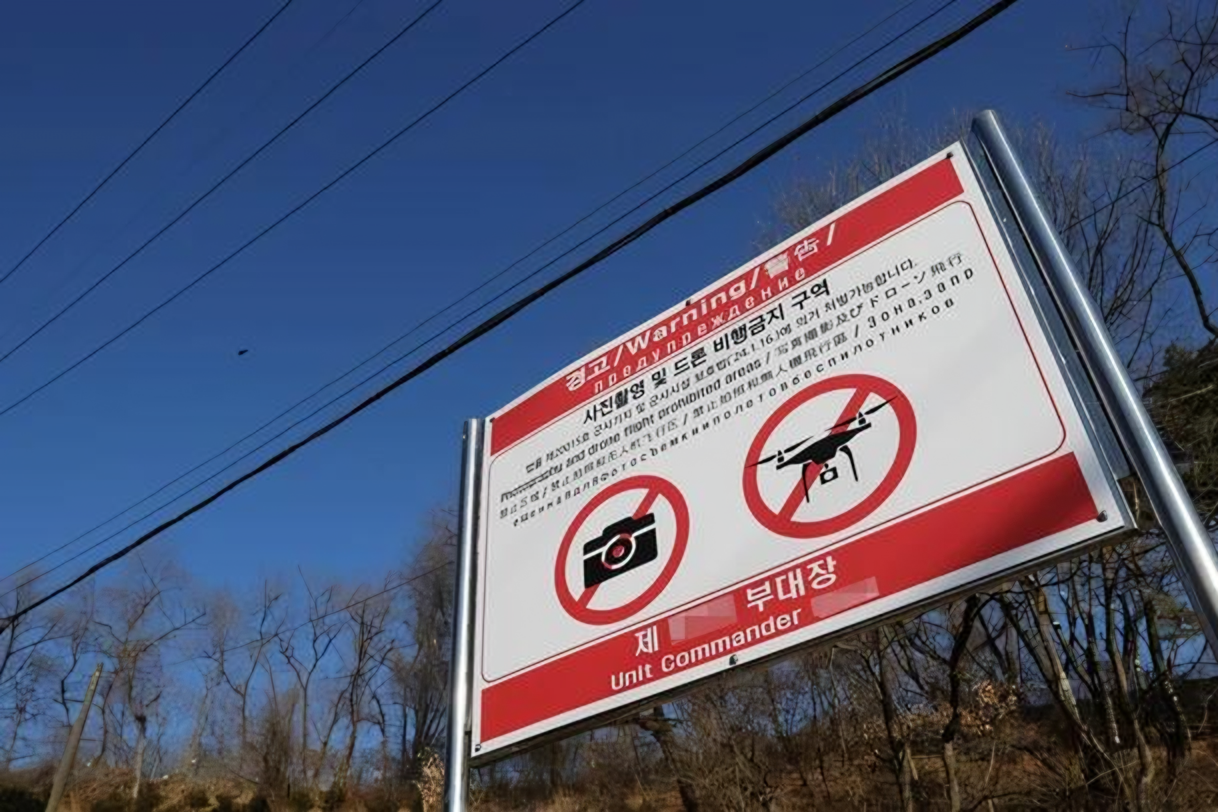
A mix-up involving a U.S. surveillance drone flying near the inter-Korean border has raised concerns about a possible communication gap between the two allies, after South Korean forces mistakenly identified the aircraft as a hostile threat and nearly prepared to shoot it down.
The incident underscores the operational risks inherent in the U.S.-South Korea military alliance, where roughly 28,500 American troops are stationed in the country under a mutual defense treaty dating to 1953. Combined exercises are routinely conducted to maintain readiness against North Korean threats, but the episode highlights how procedural lapses can place allied forces in danger of friendly fire.
On Thursday, the unmanned aerial vehicle was detected in the buffer zone known as the Civilian Control Line, located south of the Military Demarcation Line (MDL) that separates the two Koreas.
The Army's 1st Corps, which is tasked with front-line defense, activated Durumi — an anti-air defense alert system used in response to enemy drone incursions. Surveillance equipment, including thermal observation devices (TOD) and radar, was deployed in an attempt to identify the drone.
The heightened response reflects South Korea's vigilance following a series of North Korean drone incursions in December 2022, when five enemy drones crossed into South Korean airspace and prompted widespread criticism of Seoul's air defense capabilities.
South Korea's Joint Chiefs of Staff (JCS) later confirmed that the aircraft was a U.S. military drone assigned to the U.S. Marine Corps, conducting operations as part of a combined exercise with South Korean Marine units near the border.
However, questions have emerged as to why the South Korean Army was not informed of the allied drone operation beforehand. According to reports, the Army's Ground Operations Command had mobilized air defense assets, including anti-aircraft artillery, with the intention of downing the drone.
The U.S. Forces Korea (USFK) reportedly provided prior notice of its plan to operate drones near the border, but the South Korean military maintains that it never granted formal approval for the operation.
The Chosun Ilbo daily reported Thursday, citing unidentified military sources, that the USFK had informed the South Korean side of its drill plans and submitted an official document regarding the drone operation. However, the document was allegedly never reported up the chain of command or shared with the relevant front-line units.
Under South Korean military protocol, prior notification for such operations must be submitted to the Ground Operations Command for approval.
The JCS stated that it is gathering facts regarding the reporting chain and working to determine whether the U.S. drone operated with proper authorization.
The USFK said it is assessing the circumstances surrounding the incident and will continue coordinating with the South Korean military and relevant authorities on the matter.

