US Charges and Sanctions Alleged Hamas Finance Network Over $2 Million in Fundraising
Key Takeaways
- •The Justice Department charged Saleem Alzaq, a 45-year-old from Gaza, on Oct. 2, alleging his network raised more than $1.7 million through purported charitable campaigns that began around January 2020, with some funds coming from U.S. donors.
- •Treasury's Office of Foreign Assets Control sanctioned Alzaq, Faouzi Barika, and Amel Oualid along with two France-based organizations, Association Baraka and Ensemble C Mieux, alleging the trio collected more than $2 million from 2020 through 2026, including roughly $1.5 million after Oct. 7, 2023.
- •Treasury alleges Barika and Oualid sent hundreds of thousands of dollars in cryptocurrency to Alzaq, one of several financial channels that also included wire transfers and intermediaries.
- •French authorities arrested Faouzi Barika, Amel Oualid, and Nordine Barika, while U.S. arrests included Louisiana brothers Omar and Abdel Adhami, accused of contributing approximately $11,000 and $94,000 respectively, and Florida resident Raed Yousef, accused of contributing nearly $50,000.
- •The Louisiana and Florida prosecutions include material-support, wire-fraud, money-laundering, and related charges carrying maximum statutory penalties of up to 20 years, while the Treasury sanctions function as administrative measures independent of the criminal outcomes.
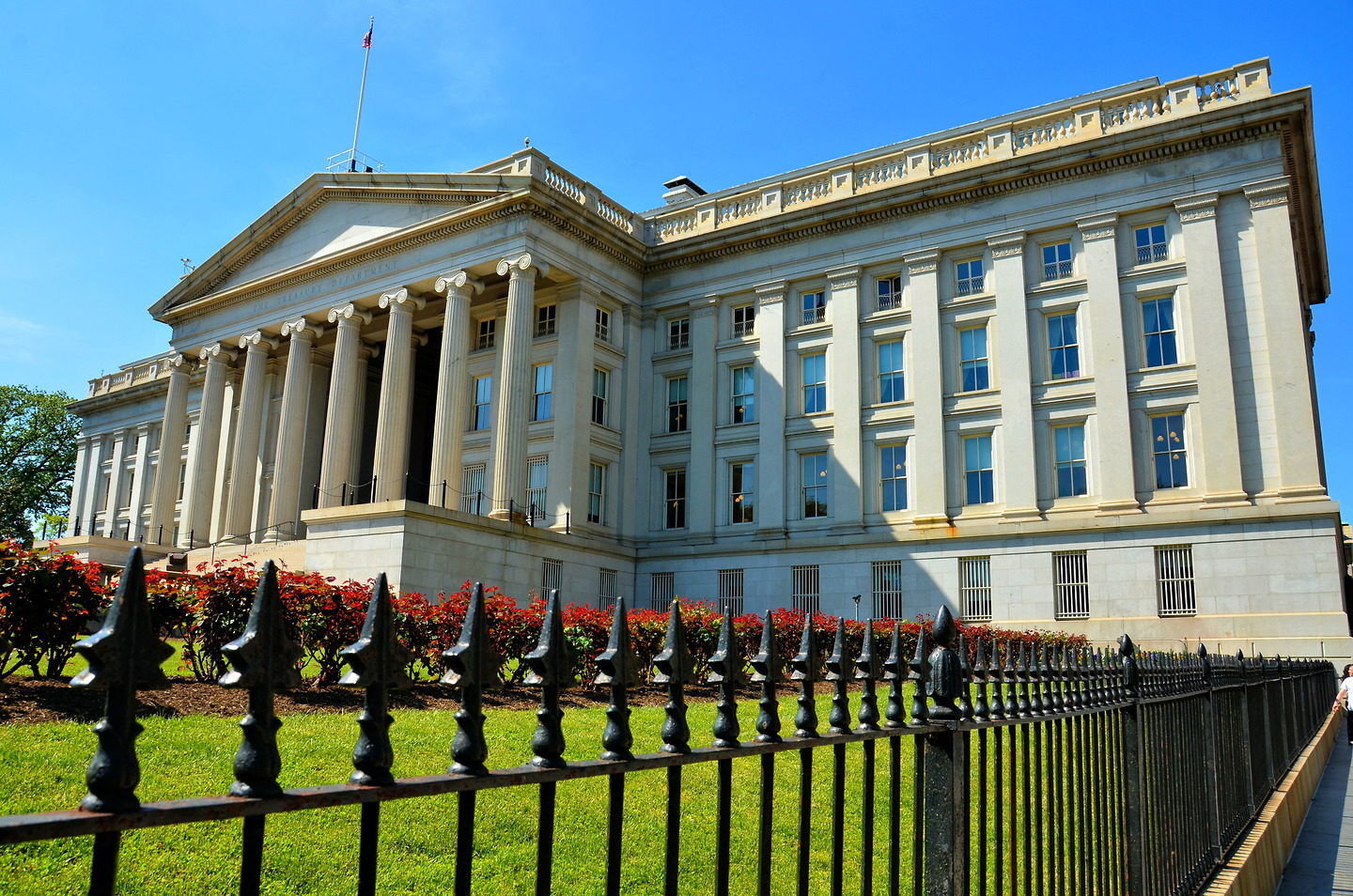
U.S. authorities have moved against an alleged Hamas finance network through a coordinated set of criminal charges, arrests in France, and new Treasury sanctions. Officials say the fundraising operation presented donations as humanitarian aid while directing money to Hamas.
The Justice Department announced charges on Oct. 2 against Saleem Alzaq, 45, of Gaza. The allegations remain unproven, and the defendants are presumed innocent unless convicted beyond a reasonable doubt. The action pairs criminal prosecutions, which the government must prove in court, with Treasury designations that operate as administrative measures rather than criminal findings.
According to STL.News' enforcement report, the coordinated action spans New York, Louisiana, Florida and France. Cryptocurrency transfers were one component of the alleged financial system.
Allegations Involve Separate Totals
Prosecutors allege that Alzaq and co-conspirators collected more than $1.7 million through purported charitable campaigns. Those campaigns allegedly began around January 2020, with some of the money coming from U.S. donors.
The Justice Department describes Alzaq as a longtime Hamas member and deputy battalion commander. That description is a government allegation, rather than a finding established through a criminal conviction.
Treasury's separate sanctions action describes a broader Hamas finance operation involving Alzaq, Faouzi Barika and Amel Oualid. Treasury says they collected more than $2 million from 2020 through 2026, with approximately $1.5 million of that sum raised after Oct. 7, 2023, the date of the Hamas-led attack on Israel. The department's total and the criminal case's figure describe differently defined aspects of the investigation and should not be combined.
Cryptocurrency Transfers and French Organizations
Treasury alleges that Barika and Oualid sent hundreds of thousands of dollars in cryptocurrency to Alzaq. As described in the allegations, cryptocurrency functioned as one channel among several, with wire transfers and intermediaries also cited by prosecutors elsewhere in the case. The agency's Office of Foreign Assets Control sanctioned those three individuals along with two France-based organizations: Association Baraka and Ensemble C Mieux.
Treasury says Barika jointly established Association Baraka with Alzaq, while Oualid established Ensemble C Mieux. Both organizations allegedly solicited donations as humanitarian assistance while transferring money to Alzaq. French authorities arrested Barika, Oualid and Nordine Barika as part of the coordinated investigation.
The Hamas finance case concerns the alleged destinations and intended uses of the funds. It does not establish that every donor knew where the money would go.
U.S. Arrests and Criminal Charges
In the United States, authorities arrested brothers Omar Adhami, 33, and Abdel Adhami, 35, of Covington, Louisiana. Prosecutors allege Abdel contributed approximately $94,000 to the network and Omar approximately $11,000, with those alleged contributions occurring between approximately February 2021 and September 2026.
Prosecutors say the brothers knew Hamas engaged in terrorist activity and concealed their contributions through wire transfers and intermediaries. The charges include material-support, wire-fraud and money-laundering conspiracies. The Justice Department says the offenses carry maximum statutory penalties of up to 20 years.
Authorities also arrested Raed Yousef, 56, of Lutz, Florida. Prosecutors allege he contributed almost $50,000 and have charged him with terrorism-financing, money-laundering and passport-fraud offenses.
The maximum penalties are not predictions of sentences. If a defendant is convicted, a judge determines the sentence under applicable statutes and guidelines.
The cases also involve separate regional prosecutors. The FBI's New Orleans Field Office investigated the Louisiana case, which is being prosecuted in the Eastern District of Louisiana. The Florida case is being investigated by the FBI and prosecuted in the Middle District of Florida.
Hamas was designated a Foreign Terrorist Organization in 1997. Treasury subsequently designated the group under Executive Order 13224 in October 2001.
Sanctions and Prosecutions Remain Separate
The Hamas finance investigation involved the FBI's New York Joint Terrorism Task Force and NYPD intelligence analysts. French counterterrorism authorities and the Justice Department's Office of International Affairs also assisted.
Treasury sanctions block covered assets under U.S. jurisdiction and restrict access to the U.S. financial system. They are administrative actions and do not amount to criminal convictions, meaning their effects are not contingent on the outcome of the prosecutions.
In the Hamas finance prosecutions, courts will determine whether the government proves its allegations against the charged defendants. Court dockets in the Eastern District of Louisiana and the Middle District of Florida will carry the cases' next formal steps.

