US Banks Plan Shared Blockchain Network Targeting 2027 Launch
Key Takeaways
- •Thirty-nine US state banking associations plan to launch the BankChain Alliance, a shared blockchain network supporting stablecoins, tokenised deposits, and smart payments, with a target launch in 2027.
- •A deposit token issued by one member bank would be recognised across the consortium, addressing the friction that tokenised deposits move less easily between banks than bearer instruments circulating on public blockchains.
- •Federal Reserve economists estimated a US$580 billion loss in bank lending capacity if tokenisation reduced deposits' effective duration by 10 percent, with a further US$700 billion removed by a 10-percent increase in interest-rate sensitivity.
- •JPMorgan's Kinexys platform has processed more than US$3 trillion in cumulative transactions and expanded to the Canton Network in January 2026, while The Clearing House is developing a bank-owned tokenised deposit network targeting the first half of 2027.
- •The alliance's launch depends on securing regulatory approval, selecting a capable technology partner, and persuading institutions of all sizes, including small community banks, to adopt shared infrastructure rather than proprietary systems.
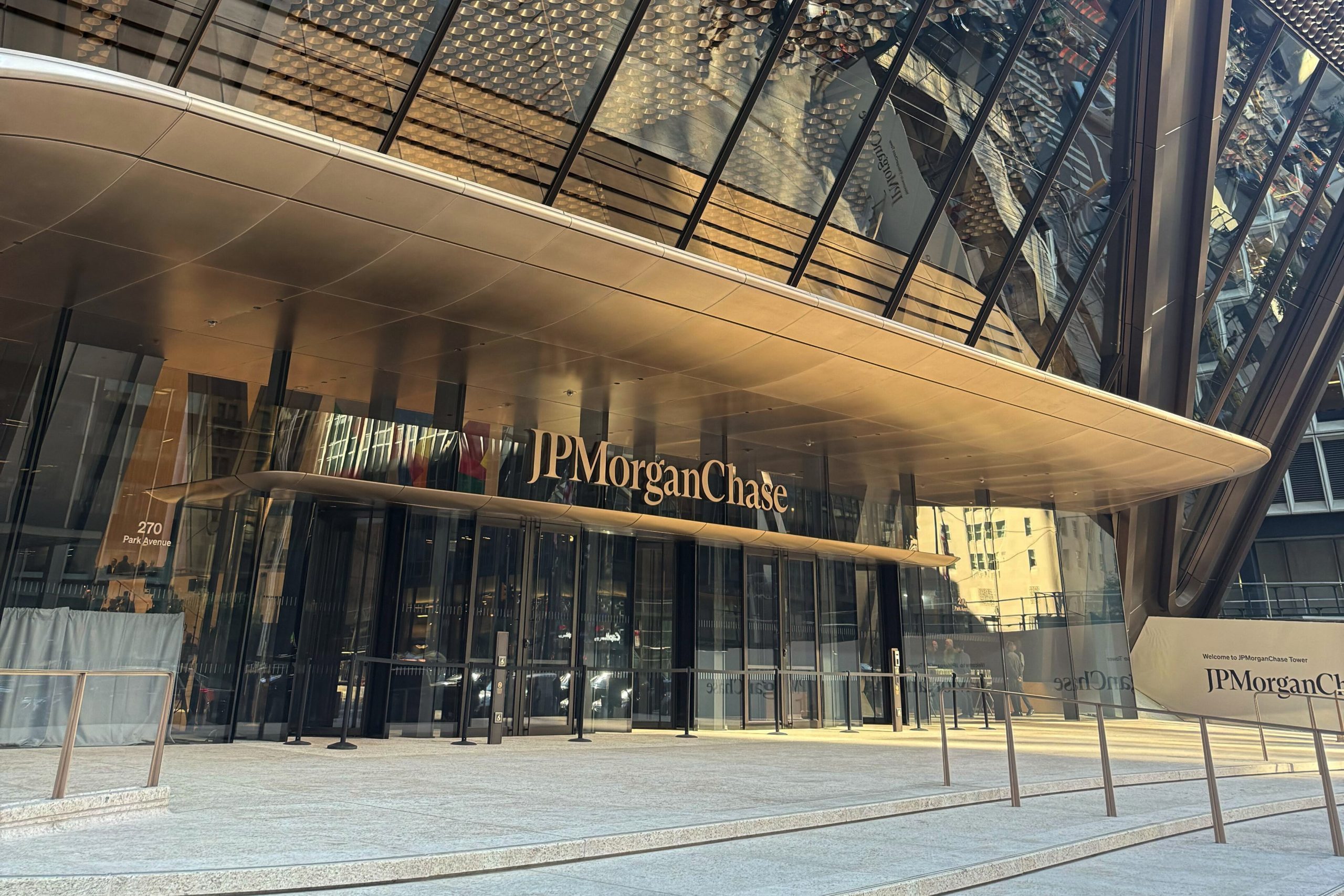
US banks are moving to build shared blockchain infrastructure through the BankChain Alliance, a consortium network targeting a 2027 launch. Thirty-nine United States state banking associations have announced plans for the banking-sector project.
The network is designed to support stablecoins, tokenised deposits, and smart payments. Banks would design and operate the system themselves, with interoperability with other networks set as a core goal. That goal points to a network built to connect with outside systems rather than operate as a closed loop.
An Observer Research Foundation analysis describes the initiative as a response to competitive pressure. Author Sauradeep Bag argues that US banks want programmable payments built around deposits rather than outside their own balance sheets.
US Banks Seek Shared Infrastructure
Kathy Kraninger, interim chair and chief executive officer of the Florida Bankers Association, described the project's intended reach: regulated, secure infrastructure accessible to financial institutions of any size. That includes small community banks unable to build such a system alone.
According to the analysis, BankChain Alliance is seeking a technology partner to lead development. The planned launch remains dependent on regulatory approval and on banks' participation. Bag identifies meaningful transaction volumes as important, alongside institutions choosing a shared network over proprietary systems.
The analysis places the alliance alongside blockchain efforts already undertaken by large US banks and international institutions. It presents the project as extending that approach to small and mid-sized banks.
Deposit Tokens Remain Claims on Banks
Bag distinguishes stablecoins from tokenised deposits by how the instruments operate. A tokenised deposit remains a deposit, sits within existing bank regulation, and can pay interest. It also remains a claim on a specific bank.
According to the analysis, such deposits move less easily between banks than bearer instruments circulating on public blockchains. BankChain Alliance and similar consortium efforts seek to address that friction. A deposit token issued by one member institution would be recognised across the wider network.
For US banks, the analysis links faster transfers to questions about lending capacity. Banks accept deposits redeemable at any moment while funding mortgages and business loans repaid over many years.
Bag cites research by Federal Reserve economists Rosie Levy and Srini Ramaswamy, published in August 2026. The researchers examined how faster, more interest-sensitive deposits could affect banks' long-term lending. They estimated a US$580 billion capacity loss if tokenisation reduced deposits' effective duration by 10 percent. A 10-percent increase in sensitivity to interest rates would remove a further US$700 billion, the analysis reports.
Other Networks and Regulatory Questions
The analysis says JPMorgan's Kinexys platform has processed more than US$3 trillion in cumulative transactions. The platform expanded in January 2026 to the Canton Network alongside its original private infrastructure.
Citi integrated Citi Token Services with its round-the-clock dollar clearing system in September 2025. Separately, The Clearing House is developing a bank-owned tokenised deposit network targeting the first half of 2027. That places The Clearing House's timeline alongside the BankChain Alliance's own 2027 target, with two bank-sector tokenised deposit efforts heading for the same window.
Bag says the practical questions for US banks include selecting a capable technology partner and securing approval. The alliance must also persuade institutions to connect to shared infrastructure rather than build separate alternatives.

