U.S. Army Commits Up to $2.2 Billion to Nuclear Microreactors at Military Bases
Key Takeaways
- •The U.S. Army has awarded up to $2.2 billion over five years to deploy an estimated 20 nuclear microreactors at five domestic military bases under the Janus Program, targeted for 2028.
- •Radiant Industries received a contract worth up to $750 million to deploy 15 of its 1-MWe Kaleidos microreactors, designed to be transportable and capable of powering up within 48 hours of arrival.
- •The Army rather than the NRC will license the reactors, a decision critics including UT professor Alan J. Kuperman have called dangerous.
- •Army official Jeff Waksman says the reactors are designed to transition to the commercial market later and that the Energy Department will handle radioactive waste removal.
- •The program parallels Big Tech nuclear deals by Google, Amazon, Microsoft, and Meta, and could make Janus units among the first SMRs installed on U.S. soil.
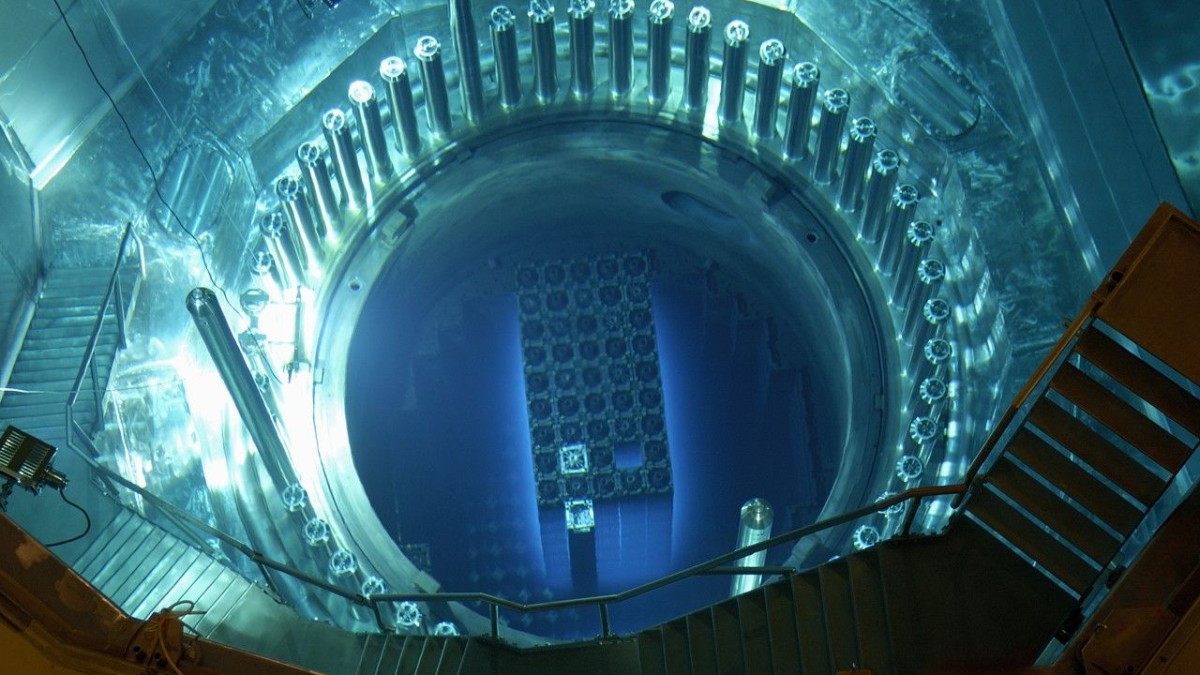
In October 2025, the U.S. Army unveiled the Janus Program, an initiative to supply portable nuclear microreactors to military bases by 2028. Although far smaller than conventional nuclear plants, these reactors typically generate 1-20 megawatts of electricity each — significantly more than the largest portable generators can produce. That capacity makes them well suited to the military, given that major bases consume as much power as a small city. The strategic rationale: in a conflict, transporting fossil fuels to remote front lines creates an easy target, whereas localized nuclear reactors can operate for years without refueling.
Toward that end, the Army has awarded up to $2.2 billion over five years to private and public companies to build, own, and operate commercial nuclear microreactors at five domestic military bases, with an estimated 20 microreactors to be deployed under the program. Five vendors have been selected to design and deploy the units at specific installations: Antares Nuclear will build a microreactor at Fort Bragg in North Carolina; BWXT Technologies (NYSE:BWXT) at Fort Campbell in Kentucky; General Atomics Electromagnetic Systems at Fort Hood in Texas; Radiant Industries at Fort Benning in Georgia; and Westinghouse Government Services at Fort Drum in New York.
Radiant Industries secured a contract worth up to $750 million to deploy 15 of its 1-MWe Kaleidos microreactors, beginning with a three-unit installation. Antares Nuclear will likewise deploy a three-unit group of its R1 microreactor, which ranges from 100 kWe to 1 MWe per unit. The companies plan to deliver their microreactors in modular packs that can be shipped via standard trucks, rail, air, or barge. The facilities will be factory-built to avoid lengthy on-site construction, and Radiant's Kaleidos is designed to be fully transportable and plug-in ready, capable of powering up within 48 hours of arriving at a base.
Notably, the U.S. Army — rather than the U.S. Nuclear Regulatory Commission (NRC), which normally licenses commercial reactors — will be responsible for licensing these units. The arrangement has drawn sharp criticism. Alan J. Kuperman, associate professor at the Lyndon B. Johnson School of Public Affairs at the University of Texas, told AP that excluding the NRC from the licensing process is "a dangerous scam on many levels." Jeff Waksman, principal deputy assistant secretary of the Army for installations, energy and environment, counters that the reactors are not intended to be Army-specific; they will be designed to transition easily to the commercial market later, at which stage the NRC will be involved. Waksman adds that the Army will coordinate with the Energy Department to remove radioactive waste, with no plans for long-term storage on the installations.
While small modular reactors (SMRs) face high cost and supply-chain hurdles, they are increasingly viewed as vital for grid stability and the clean energy transition, with the U.S. government targeting 300 GW of new nuclear power by 2050. If successful, the Janus microreactors could be among the first SMRs ever installed on U.S. soil — a milestone that would also serve as a real-world demonstration for the broader commercial SMR market, where no design has yet reached full deployment despite years of development.
The effort parallels a wave of deals by American Big Tech companies and hyperscalers turning to SMRs and advanced nuclear energy to meet surging AI data center electricity demand. Two years ago, Google signed a landmark agreement with Kairos Power to purchase 500 megawatts of power from a new fleet of six to seven SMRs, with the first reactor targeted to come online by 2030. That same year, Amazon invested in SMR developer X-Energy (NASDAQ:XE), leading a $500 million funding round and securing offtake rights for its reactors, alongside agreements with Washington State utility consortium Energy Northwest to develop advanced SMR projects. Microsoft signed a major deal with Constellation Energy (NASDAQ:CEG) in 2024 to restart Three Mile Island Unit 1 and has built an internal nuclear strategy team to deploy SMR solutions for its global data centers. Most recently, Meta signed agreements with nuclear developers Oklo Inc. (NYSE:OKLO) and TerraPower in January 2026 to build multiple SMR and advanced reactor units. For the vendors involved, the Army program thus doubles as a federally backed proving ground: companies like Radiant and BWXT are simultaneously pursuing commercial customers, and operational experience at military installations could inform their wider rollout. Whether the 2028 deployment timeline holds — and how the Army-run licensing process withstands legal and public scrutiny — will be a key test for microreactor deployment beyond the Defense Department.
By Alex Kimani for Oilprice.com
