US Weighs New Tariffs on 14 Economies After $126 Billion Duty Refunds
Key Takeaways
- •The United States has reportedly refunded $126 billion in previously collected tariffs, with interest pushing the total above the amounts originally collected, after the Supreme Court struck down most of the 2025 trade duties.
- •Under the draft proposal, Chinese imports would face tariffs of up to 20%, with the rate potentially rising to 40% if negotiations between Washington and Beijing fail to produce an agreement.
- •Vietnam could be subject to tariffs of up to 35%, India up to 25%, and the European Union, Japan, South Korea, and Taiwan up to 15% each under the proposal.
- •Semiconductors, automobiles, and steel would generally fall outside the new measures, but Chinese goods already covered by other U.S. tariffs would not receive the same exclusion.
- •The proposed rates represent potential maximum duties rather than confirmed rates, and public hearings on the framework are scheduled to begin on January 25, 2027.
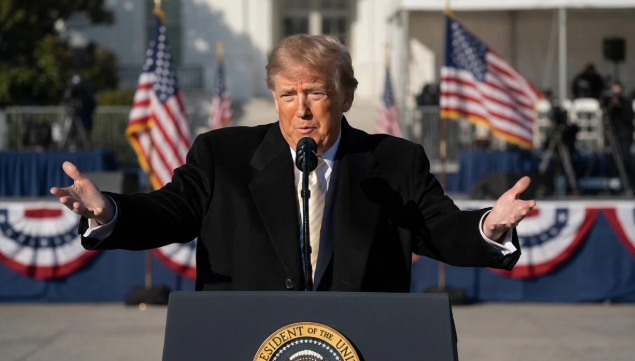
The United States has reportedly refunded $126 billion in previously collected tariffs after a Supreme Court ruling struck down most of President Donald Trump's 2025 trade duties, and is now preparing a new tariff proposal targeting 14 economies. Under the draft measures, Chinese imports would face duties of up to 20%, with the rate potentially rising to 40% if trade negotiations fail to produce an agreement.
According to a report by Hokanews, which cited an analysis shared by Coin Bureau on X, the refunds included interest — pushing the total returned above the amounts originally collected — and followed the Supreme Court's February ruling invalidating most of the tariffs introduced in 2025. The Congressional Budget Office (CBO), Congress's nonpartisan budget and economic analyst, was cited as the source of the refund figures and related information.
China Faces the Highest Proposed Rates
China would face the most significant potential duties under the proposal. Its tariff rate could reach 20%, with an increase to 40% if negotiations between Washington and Beijing fall short of the expected outcome.
Other major trading partners would also face substantial import duties. Vietnam could be subject to tariffs of up to 35%, while India faces a proposed maximum rate of 25%. The European Union, Japan, South Korea and Taiwan are each listed for potential tariffs of up to 15%.
The proposal covers 14 economies in total, although the available announcement does not identify all of the targeted economies or provide individual tariff rates for every jurisdiction. The proposed percentages therefore represent potential maximum duties rather than confirmed rates that have already taken effect. As a matter of mechanics, tariffs in this form are duties collected from importers when goods enter the United States, so the listed ceilings would be collected from businesses bringing products from these economies into the U.S. market, if the measures are ultimately adopted.
Existing Tariff Categories Receive Different Treatment
The proposal also outlines exclusions for certain categories of goods that are already subject to other U.S. tariffs. Semiconductors, automobiles and steel would generally fall outside the newly proposed measures.
China is the exception to this arrangement. According to details shared by Coin Bureau, Chinese goods already covered by other U.S. tariff measures would not receive the same exclusion — a distinction that could leave Chinese imports subject to a broader range of duties than products from the other targeted economies.
The treatment of existing tariff categories is a significant element of the proposal, because it determines how the new duties would interact with trade restrictions already in place. Even so, the final scope and application of the measures remain subject to the U.S. government's review process.
Public Hearings Set for January 25, 2027
Despite the proposed rates, the new tariff framework has not been finalized. Public hearings are scheduled to begin on January 25, 2027, providing a formal stage for the proposal to be considered before any final decision is made.
Until then, the two main variables are the state of negotiations between Washington and Beijing — which, under the draft structure, would decide whether Chinese goods face 20% or 40% — and the U.S. government's review of the final scope, including the identification of the targeted economies the announcement has not yet named.
The development follows a notable reversal in U.S. trade policy, with $126 billion in tariff refunds issued after the Supreme Court struck down most of the 2025 measures. Washington is now weighing another round of import duties affecting 14 economies, including China, Vietnam, India, the European Union, Japan, South Korea and Taiwan.
For now, the proposed tariff rates remain subject to the public hearing process, with China's potential 40% rate representing the highest figure outlined in the announcement.

