When Banks Won't Refund Unauthorised Debits: How Nigerian Customers Can Escalate Complaints
Key Takeaways
- •Nigerian banks must acknowledge customer complaints within 24 to 48 hours and resolve most issues within 14 working days under Central Bank of Nigeria regulations.
- •Customers should obtain an official reference number and keep records of all communications with their bank before escalating a dispute to a regulator.
- •Unresolved complaints against banks can be submitted through the CBN's Consumer Protection Department portal at consumerportal.cbn.gov.ng.
- •The FCCPC, established under the Federal Competition and Consumer Protection Act 2018, handles financial disputes involving lending or services outside CBN oversight and can impose penalties on companies.
- •Significant suspected fraud cases, including unauthorised transfers, SIM swap fraud, or account takeover, should also be reported to the Nigeria Police cybercrime unit or the Economic and Financial Crimes Commission.
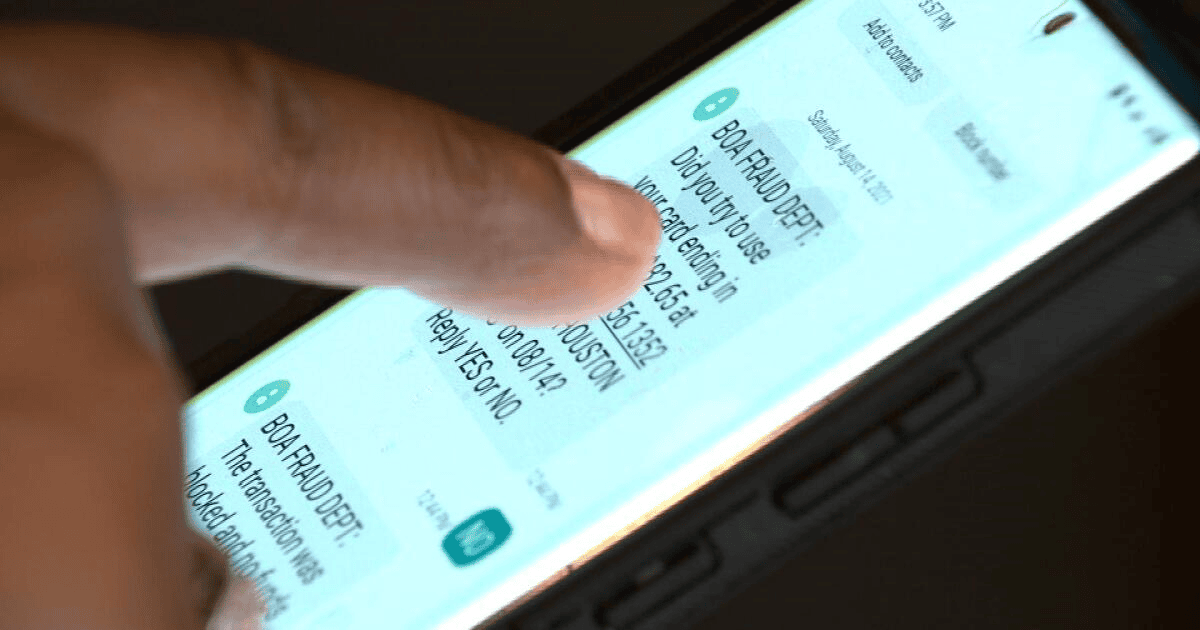
It often begins with a notification that catches an account holder off guard: money has left a bank account without the owner's permission. The natural reaction is to report the issue to the bank and expect a swift resolution. Instead, many customers find themselves stuck in a frustrating limbo as days turn into weeks. The bank may deny the claim, vaguely promise to look into it, or, worse, go completely silent. The customer has done everything right, yet nothing changes.
For a large number of customers in Nigeria, the scenario is all too common and deeply frustrating. With everyday banking increasingly happening through apps, transfers, and electronic channels, disputes over unauthorised transactions have become a growing concern. But when a bank stops responding or brushes off complaints, options remain available. Regulators empowered to help can step in and take action. Here is a straightforward guide on what to do next.
Document Everything Before Escalating
When dealing with banking issues, especially unauthorised money removal, it is essential to keep a clear record of all communications with the bank before escalating the complaint. This step is crucial because regulators will want to know whether the customer first attempted to resolve the matter internally.
Start by visiting a bank branch in person. Speak with a customer service representative and ask that the complaint be logged officially, making sure to obtain a reference number for the case. Customers who file online or through the bank's app should take screenshots of everything: the submission, the acknowledgement message, and any responses received from the bank. That reference number and paper trail become the core of any later escalation, since regulators ask filers to show evidence of prior contact with the institution.
When writing the complaint, be as specific as possible. Mention the exact amount of money involved, the date of the transaction, the type of transaction, and a clear description of what went wrong. For example, saying “I did not authorise this transfer” or “I was charged twice for the same transaction” is much clearer than simply saying “money left my account. Refund my money.”
Banks Face Deadlines Under CBN Rules
Under regulations set by the Central Bank of Nigeria (CBN), banks are obligated to address complaints within specific timeframes. They must acknowledge a complaint within 24 to 48 hours and aim to resolve most issues within 14 working days. These deadlines give customers an objective benchmark: once the resolution window closes without a satisfactory outcome, the dated complaint, reference number, and saved responses amount to a ready-made escalation file. A bank that takes longer than that without resolving the issue satisfactorily gives the customer valid grounds to escalate the complaint further.
By following these steps, customers build a solid foundation for resolving their banking issues effectively.
The CBN Consumer Protection Route
The Central Bank of Nigeria serves as the main authority overseeing all commercial banks, microfinance banks, and most financial institutions in the country. When issues with a bank cannot be resolved directly, the CBN's dedicated Consumer Protection Department exists to help.
Complaints can be filed through the CBN's Consumer Protection portal at consumerportal.cbn.gov.ng. Filers should be ready to provide key details: personal information, the name of the financial institution involved, a clear description of the issue, and any evidence of attempts to resolve it directly with the bank. It is also important to upload all relevant documents, such as bank statements, screenshots, letters, and reference numbers.
The CBN treats these complaints with the utmost seriousness. Once a valid complaint is submitted, the bank must respond and work to resolve the issue, particularly where money has been removed from an account. Unlike individual customer complaints, which banks may overlook, CBN directives carry weight that banks know they must comply with.
Where the FCCPC Comes In
If the issue relates to a payment platform, a mobile money operator, or a fintech company that is not a traditional bank, the CBN still covers many of them. However, for matters specifically involving lending or other consumer services that fall outside the CBN's guidelines, the appropriate destination is the Federal Competition and Consumer Protection Commission (FCCPC), which can be reached at fccpc.gov.ng.
Nigerian consumers have important rights and options when dealing with banks and financial service providers. The Consumer Protection Council and the Central Bank of Nigeria have established processes for consumers to report complaints. Yet many people do not know that there is another authority aside from the CBN for financial matters.
If the CBN process is not moving forward, customers can request arbitration or take the issue to the FCCPC. The commission, established under the Federal Competition and Consumer Protection Act 2018 as the successor to the former Consumer Protection Council, is dedicated to safeguarding consumers across all industries, including finance. Where a bank or a fintech service has treated a customer unfairly, misled them, or denied a valid refund without good reason, a complaint can be filed directly with the FCCPC. The FCCPC has the power to investigate the case, penalties on companies, and ensure that concerns are addressed.
Practical Steps While the Complaint Is Pending
While a complaint is being processed, a few practical measures are worth taking.
First, put everything in writing. If conversations with the bank have taken place only over the phone, follow up each one with a written email or message summarising what was said and what was promised. This creates a record the bank cannot later contradict.
Second, if the disputed amount is significant and fraud is believed to be involved, report it to the Nigeria Police Force's cybercrime unit or the Economic and Financial Crimes Commission. This is particularly important for cases involving unauthorised money transfers, SIM swap fraud, or account takeover.
Third, be persistent without being abusive. Regulators respond to clear, documented, well-organised complaints. The more evidence a customer has and the more organised the submission, the faster things tend to move.
Nigerian banking customers have more power than they realise. A bank counting on customer frustration and silence is not a strategy anyone has to accept.

