UN Warns Global Warming Will Exceed 1.5C Within Years
Key Takeaways
- •The UNEP "Limiting Overshoot" report projects global warming will cross 1.5°C above pre-industrial levels within the next few years, even under the most optimistic scenarios.
- •Even with full implementation of current pledges and additional net-zero targets, peak temperature rise is expected to reach 1.8°C.
- •Under existing policies, the median projected temperature rise by 2100 is around 2.6°C, with a range of 1.9°C to 3.6°C.
- •UN Secretary-General António Guterres called for making the overshoot as small and short as possible through an "overshoot of ambition" in emissions cuts.
- •This summer's heatwaves disrupted European energy systems, with low Danube water levels forcing Romania to shut its only nuclear plant and restart a 300-megawatt coal-fired facility.
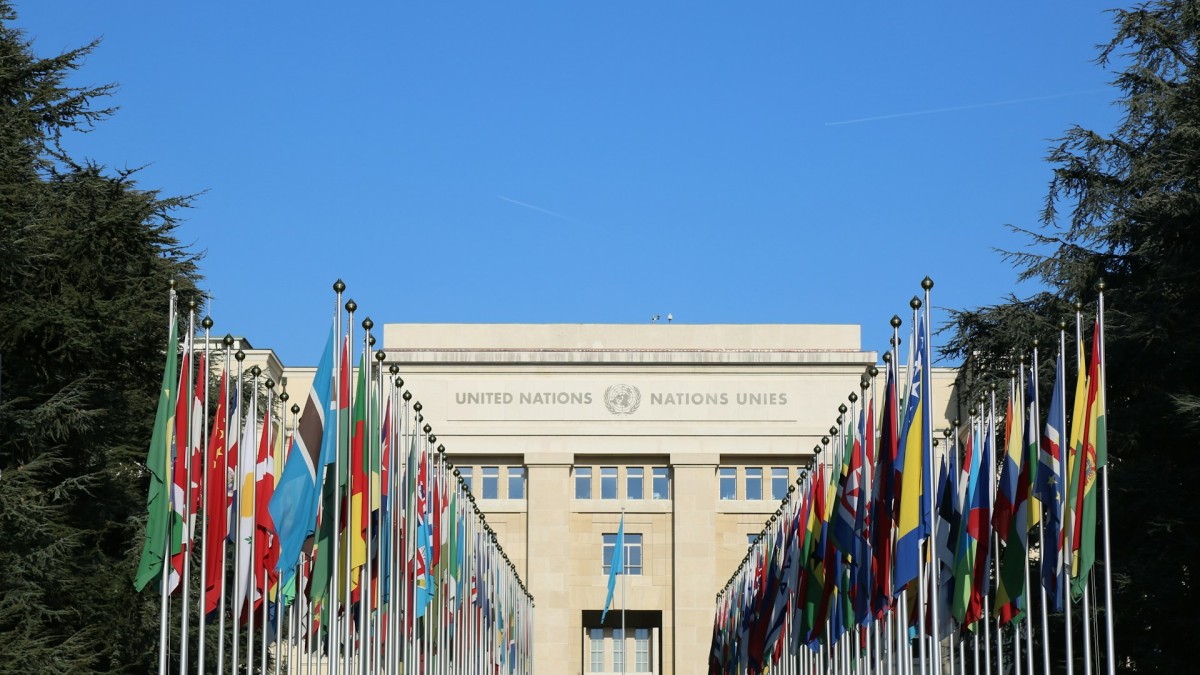
Global temperatures are on track to exceed 1.5 degrees Celsius above pre-industrial levels, likely within the next few years, according to a new UN Environment Programme (UNEP) report released on Wednesday.
The report, titled "Limiting Overshoot," found that even in the best-case scenario, peak temperature rise will reach 1.8°C. The findings mark a shift in the international climate debate from whether the 1.5°C threshold — the most ambitious goal adopted in the 2015 Paris Agreement — can be avoided, toward how to manage a temporary or sustained overshoot and bring temperatures back down.
"While the international community has made progress on climate change, global action to cut greenhouse gas emissions has not been fast enough to avoid global warming crossing 1.5°C above pre-industrial levels in the next few years," the UN said in the report.
According to the UN, this means the Paris Agreement's long-term goal of keeping warming below 1.5 degrees is no longer within reach. Even under an optimistic scenario — full implementation of current government pledges and national climate plans, combined with meeting additional net-zero targets — expected peak temperature rise would still hit 1.8°C.
Under current policies, the median projected rise in global temperature would reach around 2.6°C by 2100, with a range of 1.9°C to 3.6°C, the UN said.
"In all cases, central estimates indicate that global warming will cross 1.5°C within the next decade," the UN said, warning that the climate impacts of entering a 1.5°C warmer world are already dangerous, and urging even faster emissions reductions. Crossing 1.5°C even temporarily matters because impacts such as extreme heat, sea-level rise, and damage to ecosystems like coral reefs intensify with each fraction of a degree of warming.
"This summer's scorching heat, raging wildfires and deadly floods are a warning of what lies ahead," said UN Secretary-General António Guterres. "We must make the overshoot above 1.5 degrees as small and short as possible. That demands an overshoot of ambition."
This summer's heatwaves have also strained Europe's power generation, testing energy systems from France to Romania. Record-low river levels forced the shutdown of nuclear power capacity, while scarce rainfall limited hydropower output. The episode illustrates a broader challenge for energy planners: the same extreme weather driven by warming can simultaneously raise electricity demand for cooling and reduce supply from thermal and hydro generation that depends on water for cooling and flow.
Romania, for example, had to restart a 300-megawatt coal-fired power plant to partially offset generation lost after low water levels on the Danube River forced the shutdown of the country's only nuclear power plant.
The report follows the UNEP press release on the findings, with the full Limiting Overshoot report available on the UNEP website. Its release comes ahead of the next round of UN climate negotiations, where governments are due to submit updated national climate plans under the Paris Agreement.
By Michael Kern for Oilprice.com

