Ukraine Strikes Lukoil's Volgograd Refinery as Drone Campaign Resumes
Key Takeaways
- •Ukrainian forces struck Lukoil's Volgograd refinery, one of Russia's largest oil processing facilities with a capacity of 300,000 barrels per day, marking the resumption of drone attacks on Russian refining infrastructure after a weeks-long pause.
- •The Volgograd refinery produces gasoline, diesel, and jet fuel essential for both Russian civilian transport and military logistics supporting front-line operations.
- •Russia extended its ban on gasoline and diesel exports from July 31 through the end of the year, indicating the domestic fuel situation has not significantly improved despite earlier claims from officials that the crisis was easing.
- •This marks the second time the Volgograd facility has been targeted this year, as an earlier Ukrainian drone attack had previously forced the plant to suspend crude oil processing.
- •Ukraine's alternating pattern of targeting land-based energy infrastructure and maritime supply routes reflects a coordinated campaign to degrade Russia's ability to sustain its military operations across multiple fronts.
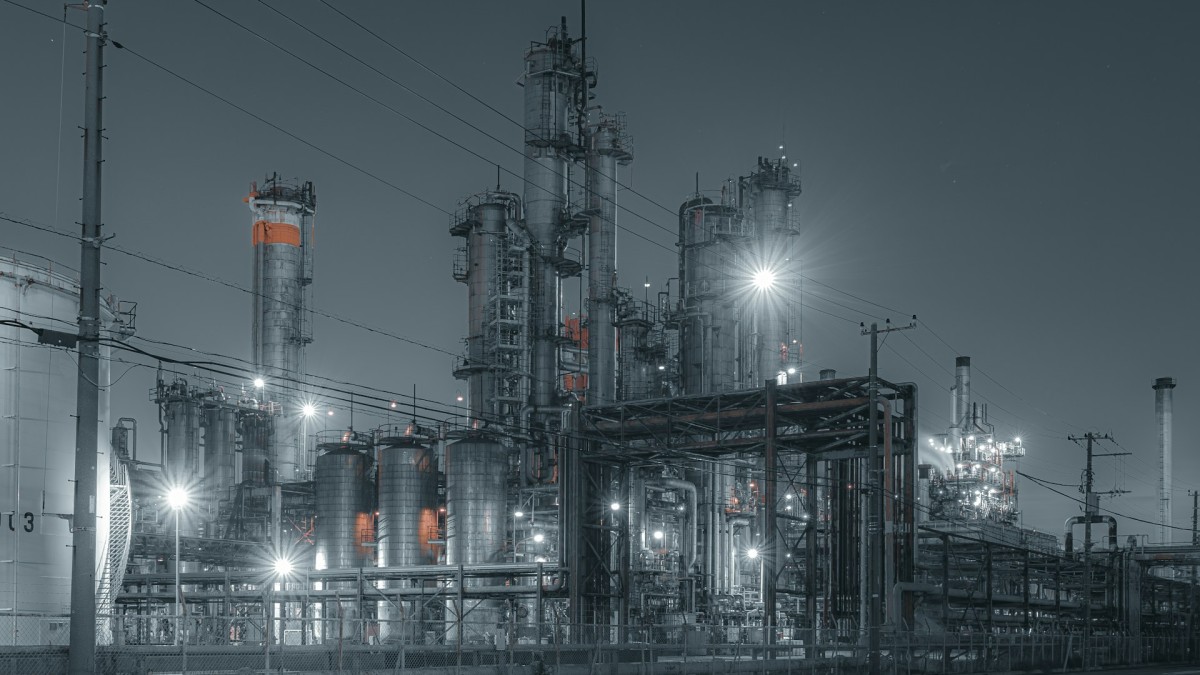
Ukrainian forces have struck one of Russia's largest oil refineries — Lukoil's Volgograd processing facility — marking the resumption of drone attacks on Russian refining infrastructure after a weeks-long pause.
The Volgograd refinery, with a processing capacity of 300,000 barrels per day (bpd) of crude, produces gasoline, diesel, and jet fuel — products that are critical not only for Russian civilian transport and industry but also for military logistics sustaining operations along the front lines. Ukraine's Security Service (SBU) confirmed the strike in a Telegram post on Friday, describing the hit as "successful" without providing further details on the extent of the damage.
Andrei Bocharov, governor of Russia's Volgograd region, said Friday that a fire had broken out at an industrial facility within the region's fuel and energy complex following a mass drone attack. Bocharov did not specifically name the site that was struck.
History of Strikes
This is not the first time the Volgograd refinery has been targeted. Earlier in the year, the facility was forced to suspend crude oil processing after a Ukrainian drone attack triggered a fire at the plant.
The latest strike comes after several weeks of relative calm in attacks on Russian refineries. During that period, Ukrainian forces had shifted their focus to targeting tanker vessels in the Sea of Azov and the Black Sea. The alternating pattern of targeting energy infrastructure on land and maritime supply routes reflects a broader Ukrainian campaign to degrade Russia's ability to fuel its war effort on multiple fronts.
Russia's Fuel Crisis
The brief lull in refinery attacks had allowed some processing units to resume operations following repairs. Just this past weekend, Russian Deputy Prime Minister Alexander Novak stated that the country's fuel crisis had begun to ease as refineries restarted.
However, the situation remains strained. This week, Russia extended its ban on gasoline and diesel exports from July 31 through the end of the year — a move suggesting the domestic fuel situation has not significantly improved. The export restriction also places pressure on Russia's ability to earn revenue from refined product sales, which have been an important component of its energy export income amid sanctions on crude exports.
Russia has been grappling with gasoline and diesel shortages for nearly three months during peak demand season. Ukraine's sustained drone campaign against Russian refineries forced many large processing facilities offline during the spring and early summer.
The overnight attack on the Volgograd refinery threatens to further deepen the crisis and raises questions about whether the recent pause in such strikes may have been more operational than strategic.
By Charles Kennedy for Oilprice.com

