Saudi Arabia Leads New Red Sea Maritime Coalition as Oil Holds Near $90 Amid Middle East Disruptions
Key Takeaways
- •Brent crude is positioned to close July at around $90 per barrel despite an 8% weekly loss, supported by ongoing disruptions to both the Strait of Hormuz and Red Sea shipping lanes.
- •BP has initiated divestment of its UK North Sea operations after more than 60 years, citing a 75% effective tax rate driven by repeated increases to the Energy Profits Levy.
- •The Caspian Pipeline Consortium suspended Black Sea oil loadings following drone attacks on incoming tankers, with Kazakh crude suppliers weighing an indefinite halt pending safety guarantees.
- •China generated less than half of its electricity from coal for the first time in the first half of 2026, as renewables surpassed 40% of the power mix.
- •Russia extended its diesel export ban through August to cap domestic fuel prices amid Ukrainian drone strikes, with July outflows totaling only 150,000 barrels per day.
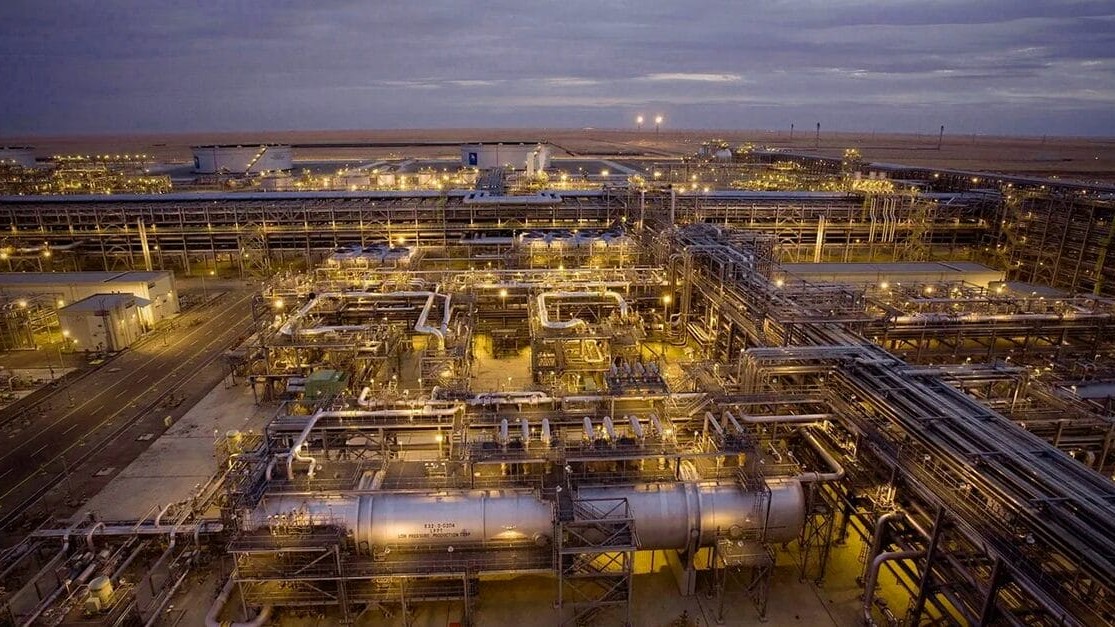
Brent crude is heading for an 8% weekly decline, yet persistent disruptions in the Strait of Hormuz and the Red Sea continue to underpin oil prices at approximately $90 per barrel.
Friday, July 31, 2026
Oil prices are on track for an 8% weekly loss after an earlier sell-off was arrested by the reality of two disrupted Middle Eastern waterways. Saudi Arabia is now working to organize a maritime coalition to counter Houthi threats, while Iran's Islamic Revolutionary Guard Corps (IRGC) claims to have turned away several tankers in the Strait of Hormuz—a claim that may also indicate shippers remain determined to continue transiting the strait. With Tehran having rejected Oman's proposal for joint regional management of Hormuz and no new U.S.-Iran talks scheduled, ICE Brent is set to close July at $90 per barrel. Together, the Strait of Hormuz and the Bab el-Mandeb Strait at the Red Sea's southern entrance handle a substantial share of global seaborne oil and LNG, making simultaneous disruption to both routes a rare event with outsized implications for energy supply chains linking the Gulf to Europe and Asia.
BP Prepares North Sea Exit
Citing high taxes and a deteriorating investment climate, UK oil major BP (NYSE:BP) has formally initiated a process to divest its UK North Sea oil and gas business, which accounts for approximately 115,000 barrels per day of production. The move represents a historic withdrawal from a basin where BP has operated for more than six decades and comes after multiple increases to the UK's Energy Profits Levy, which has raised the effective tax rate on North Sea producers to roughly 75%.
Saudi Arabia Seeks Red Sea Shipping Coalition
Saudi Arabia has announced the formation of an international coalition to protect Red Sea shipping from Houthi attacks. Thirteen other countries have joined the initiative, with Riyadh serving as the founding and leading state and hosting the alliance's new headquarters. The effort follows months of Houthi attacks on commercial vessels transiting the Red Sea and adjacent waters that have forced many shipping companies to reroute around Africa's Cape of Good Hope.
Drone Strike Reaches Egypt's LNG Gateway
Egypt confirmed that a drone attack sparked a fire on two gas vessels at Damietta port, including the Energos Winter FSRU—one of Egypt's three operational LNG import terminals. The facility has received 1.5 million tonnes of LNG so far in 2026.
CPC Mulls Loadings Halt After Fresh Drone Strikes
The Caspian Pipeline Consortium has suspended oil loadings at its Black Sea export terminal following another round of drone attacks on incoming tankers. Suppliers of Kazakh crude are considering an indefinite halt until they receive safety guarantees. The CPC pipeline is the primary export route for Kazakh crude, carrying roughly 80% of the country's oil shipments to global markets.
Rhine Bottleneck Chokes Europe's Fuel Arteries
Critically low water levels on Germany's Rhine River have severely disrupted inland fuel transportation, constraining fuel flows from Northwest Europe. Water levels at the key Kaub chokepoint fell to just 25 cm, driving freight rates to multi-year highs. The Rhine is one of Europe's most important inland freight corridors, serving as a critical link for moving refined products from Rotterdam and other Northwest European hubs into Germany and Switzerland.
South Korea Eyes PDVSA Imports as Supply Risks Mount
South Korean refiners are evaluating imports of Venezuelan crude for the first time in several years as Middle East disruptions drive a search for alternative feedstocks. The development comes as Venezuelan exports to the United States reached a record high of 715,000 b/d in July.
TPAO Joins BP's Kirkuk Revival Project
UK oil major BP (NYSE:BP) has agreed to sell a 15% stake in its Iraqi Kirkuk venture to Turkey's state-owned TPAO, strengthening regional backing for the rehabilitation of northern Iraq's giant oil and gas fields as Baghdad seeks to increase flows via the Mediterranean.
Iraq-Turkey Pipeline Gets Temporary Reprieve
Crude flows through the Kirkuk-Ceyhan pipeline are expected to continue despite the expiration of the bilateral transit agreement. The entry of Turkey's state oil firm TPAO into Iraq's upstream sector paved the way for a negotiated 12-month contract extension.
Venezuela Eyes Gas Sector Overhaul
Venezuela is preparing to discuss a new natural gas law that would reduce the role of state oil firm PDVSA in gas production and offer more attractive fiscal terms for foreign investors, signaling a push to accelerate international participation in major offshore projects.
Shell Exit Clouds Cyprus Gas Ambitions
London-based energy giant Shell (LON:SHEL) has decided to sell its 35% stake in Cyprus's Aphrodite gas field to Hungary's MOL, triggering frustration in Cyprus. Government officials have criticized the oil major's handling of the process ahead of a long-awaited final investment decision (FID).
Qatar LNG Tanker Breaks Hormuz Drought
A QatarEnergy-owned LNG carrier has exited the Strait of Hormuz for the first time in nearly three weeks. The Al Areesh vessel is heading to Pakistan after Islamabad lobbied Tehran to help ease energy shortages worsened by a coal mine explosion earlier in the week. Qatar is one of the world's largest LNG exporters, and any prolonged disruption to Hormuz transits would affect LNG supply to South Asia and beyond.
Russia Poised to Extend Diesel Export Curbs
Russia has prolonged its diesel export ban for another month through the end of August to cap soaring fuel prices amid Ukrainian drone strikes. July outflows totaled only 150,000 b/d, though officials indicated they could lift restrictions earlier if conditions improve.
China's Coal Share Drops Below 50% for First Time
China generated less than half of its electricity from coal (49.7%) in the first half of 2026, marking a major milestone in the country's energy transition. Renewable energy surpassed 40% of the power mix, driven by rapid growth in wind and solar capacity. As the world's largest coal consumer and producer, China's shift carries significant implications for global coal demand trajectories and associated emissions.
Portugal Targets Oil Firms with New Levy
Portugal has approved a draft "solidarity" tax that would impose a 33% levy on excess profits earned by oil companies in 2026, aiming to channel energy firms' bumper revenues into household support. The move comes as Galp (ELI:GALP) reported a $0.6 billion net profit in the second quarter.
Zijin's Allied Gold Takeover Falls Through
China's Zijin Gold (SSE:601899) and Canada's Allied Gold have abandoned a planned $3.9 billion takeover deal. Zijin has instead opted for a $295 million investment that secures a 9.2% stake and provides fresh funding for Allied Gold's growth projects across Africa.
By Tom Kool for Oilprice.com

