How Chancellor Healey Can Deliver a Feel-Good Budget: Tax Policy, Sentiment, and Political Capital
Key Takeaways
- •KPMG research drawing on YouGov polling and Hansard records found no clear correlation between tax cuts and positive public reaction, or between tax rises and negative sentiment.
- •Policies imposing large burdens on small groups of taxpayers generate significantly more negative press than those spreading smaller burdens across the broader population.
- •The UK's main corporation tax rate rose from 19 to 25 percent in 2023, placing it above the OECD average and narrowing Britain's competitive edge on business taxation.
- •Positive political sentiment can create a virtuous economic circle of stronger growth, healthier public finances, lower gilt yields, and greater fiscal room for government action.
- •The author recommends the Chancellor pursue inexpensive popular measures, avoid politically toxic reforms, announce structural changes quietly with proper consultation, and deploy fiscal headroom for investment-boosting tax relief.
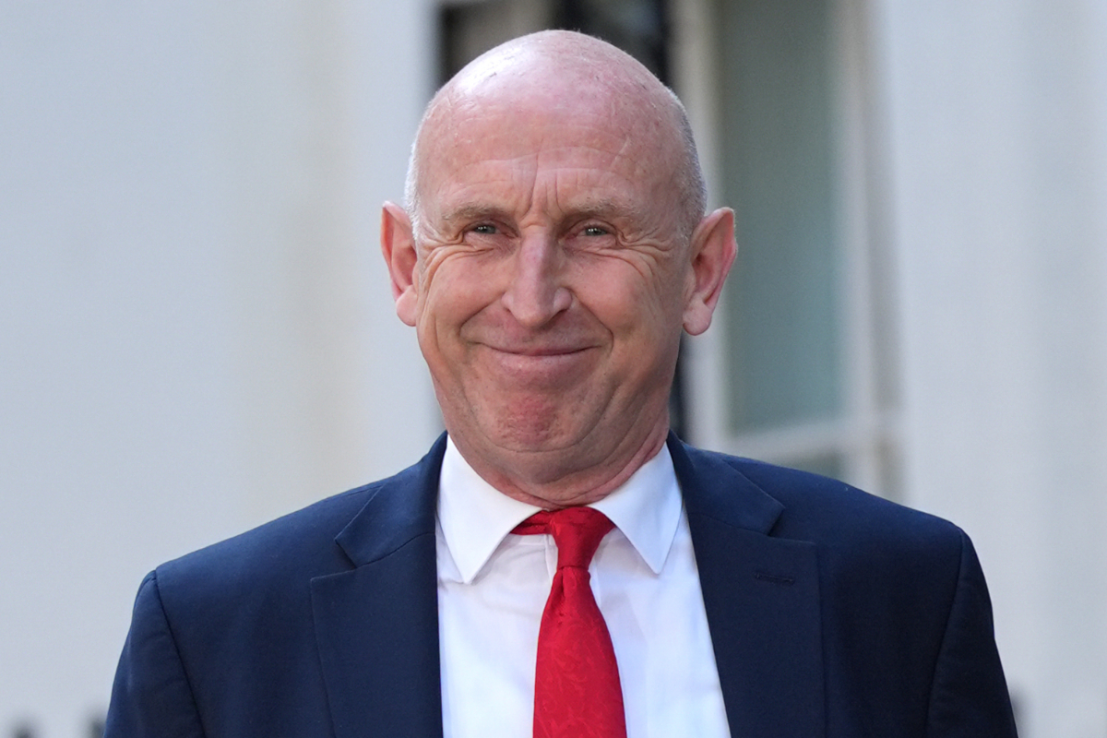
By Tim Sarson, Head of Tax Policy at KPMG
It would be natural to assume that predicting how a major tax announcement will affect public sentiment is straightforward — tax cuts generate goodwill, tax hikes provoke outrage. The evidence, however, tells a more complicated story.
After a two-month break away from the daily grind, I returned to the UK to discover that politics had undergone its own reboot. The ruling party has effectively switched the machine off and on again, emerging with a new Prime Minister and a reshaped front bench. The underlying operating system remains the same, but the look and feel are strikingly different — out with the restrained, monochrome style of the old version, and in with something more informal, more energetic, and substantially more Northern.
The vibes have shifted. And yes, today we are going to talk about "vibes" — Britain's political word du jour (The Guardian).
Sentiment and Substance
Vibes — or what an economist would call "sentiment" — matter enormously in politics. Get the sentiment right, and you can push through quite radical reforms with barely a murmur, so long as the numbers add up. Get it wrong, and even a minor policy tweak can land you in political hot water. Positive sentiment encourages consumer and business spending, and capital markets buy sovereign debt at reasonable yields, creating a virtuous circle: stronger growth, healthier public finances, lower gilt yields, and more fiscal room to deliver voters tangible benefits. That fiscal room is itself formally measured: the Office for Budget Responsibility publishes independent forecasts alongside each Budget, and the headroom its numbers produce effectively constrains — or enables — what the Chancellor can announce.
Tax policy is one of the most emotionally charged domains of government, shaping both how people feel and how they behave. After all, it is the part where the state takes people's money away from them. Budget day is the Chancellor of the Exchequer's annual opportunity to generate headlines — for better or worse.
Following two unusually somber fiscal events framed around "hard choices," I expect John Healey's first Budget to strike a more upbeat tone from the despatch box while remaining realistic. Less cheerful announcements will likely be relegated to the dense bundles of detail released on the HMRC website after the speech.
The Unpredictable Politics of Tax Changes
If you were a new Chancellor seeking to shore up the public finances and reform the tax system, how would you approach the task? In tax policy, you are either spending financial capital for political benefit, or spending political capital for financial benefit.
It is tempting to assume that the public reaction to a tax measure can be predicted by whether it is a give or a take. However, KPMG's policy team examined recent tax measures and the noise each generated, drawing on polling from YouGov and Hansard parliamentary records. The findings were striking: there is no clear correlation between tax cuts and positive reaction, or between tax rises and negativity.
Some tax-raising measures have produced controversy wildly disproportionate to their fiscal impact. The reform of Agricultural Property Relief for inheritance tax (IHT) is a standout example. Steering clear of this type of politically toxic change helps preserve political capital for more consequential reforms.
Other measures have been both unpopular and financially significant, such as the increase in Employers' National Insurance Contributions (NIC). Some fly under the radar initially — the freezing of income tax thresholds generated few immediate ripples but has since become, according to the new PM, a significant voter complaint on the doorsteps of Makerfield.
Still other policies poll positively despite fierce opposition from the affected taxpayers. The non-dom reforms and the oil and gas windfall tax are notable examples. The employee NIC cuts announced ahead of the last election were costly yet, while polling favourably, generated little public excitement at the time. Measures relating to corporate tax incentives are frequently too obscure to register with the general public at all.
The pattern that emerges is clear: policies that impose a large burden on a small group of taxpayers generate far more negative press than those that impose a small burden on the broader population.
A Recipe for October
The Chancellor could scrape a number of barnacles off the fiscal boat in October's Budget without significantly damaging public finances, and could, if necessary, raise meaningful additional revenue while avoiding excessive backlash. Yet the landscape is complex. Reforms that play well publicly may carry damaging behavioural side effects, or they may further entangle an already convoluted system with petty reliefs. Conversely, positive changes may go unnoticed, prove unpopular, or even be divisive, yet deliver significant economic benefits over time.
Consider three examples. Removing stamp duty on share transactions would barely register with voters but would send a clear, relatively inexpensive signal to capital markets. Adjusting income thresholds and tapers to eliminate ultra-high marginal rates polls neutrally at best, because it looks like a tax break for the affluent. Cutting the headline corporation tax rate is not even being loudly demanded, yet not long ago UK policy was explicitly to reduce the rate toward 17 per cent to stimulate investment — a trajectory that was reversed when the main rate rose from 19 to 25 per cent in 2023, putting the UK above the OECD average and narrowing its competitive edge on business taxation.
Taking all of this into account, here is a potential formula for a moderately successful fiscal event:
- A handful of inexpensive but popular measures, each evaluated against the test: does this make the tax system simpler or more complicated?
- Tax-raising policies, where needed, that answer two questions: will this provoke disproportionate outrage for limited fiscal gain, and are we confident it will not produce adverse economic consequences down the line?
- Necessary structural reforms and overhauls, announced quietly on the day and subject to proper consultation before taking effect.
- Where fiscal headroom exists, tax-relieving measures that can boost productivity and investment and effectively pay for themselves — such as expanding the scope of the patent box or improving the Foreign Income and Gains rules for what were previously known as non-doms (Budget).
If Healey can deliver at least some of this, and do so with a smile, then my vibes will certainly be up. Hopefully, the same will hold true for the general public and the debt markets.
Tim Sarson is Head of Tax Policy at KPMG.
