Shareholder Backlash Drives Up London Takeover Bids as Investors Resist Low-Valuation Offers
Key Takeaways
- •Shareholders of London-listed companies are increasingly vocal in opposing takeover bids they believe exploit the UK market's structurally depressed valuations relative to global peers.
- •AJ Bell projects that the total value of live or completed UK takeover bids will reach £69.3 billion by the end of 2026, with acquirers paying an average premium of 45 per cent over target share prices.
- •Since 2023, 154 bids for UK companies with market capitalisations exceeding £100 million have collectively removed approximately £165 billion from the London Stock Exchange.
- •Segro and Intertek each rejected three successive takeover proposals before accepting enhanced offers of £14 billion and £10.6 billion respectively, with shareholder activism credited as a decisive factor in securing improved terms.
- •The Financial Conduct Authority has overhauled UK listing rules in response to the sustained exodus of listed companies and broader concerns about the London market's long-term competitiveness.
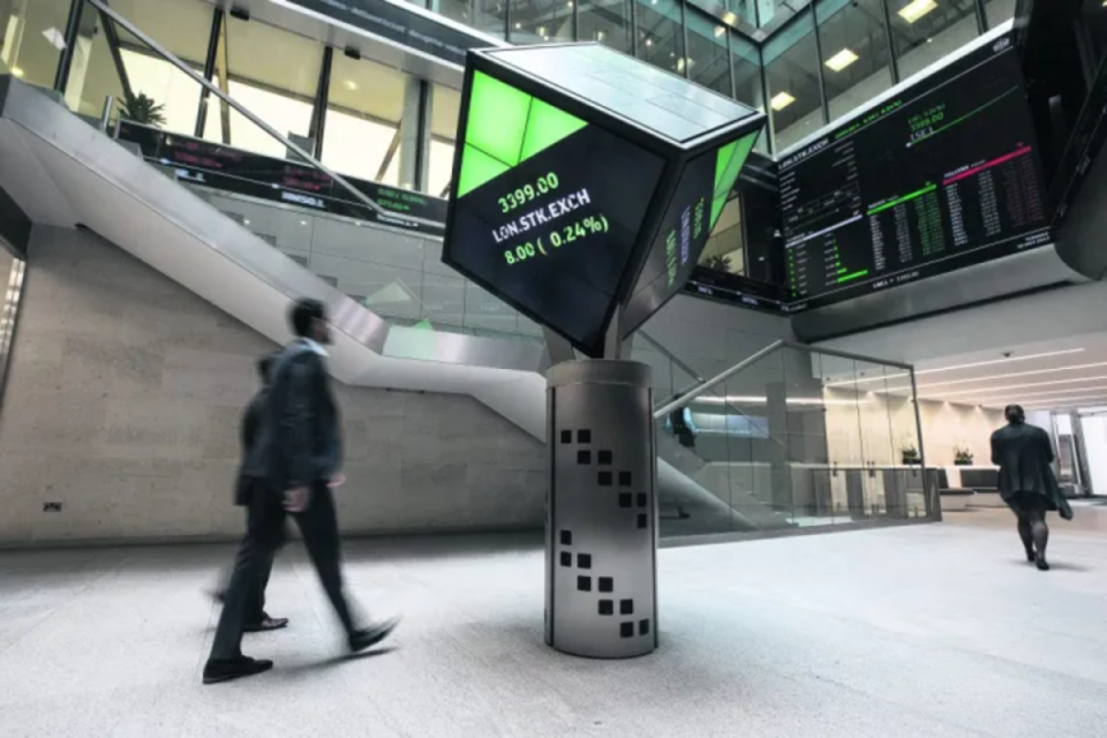
Leading shareholders in London-listed companies are increasingly resisting takeover bids this year, arguing that acquirers are exploiting depressed UK valuations to acquire firms at below fair value.
Foreign buyers have targeted a string of companies across the London Stock Exchange in 2026, including FTSE 100 constituents Schroders, Intertek, and Beazley. Retail investment firm AJ Bell projects that the total value of live or completed bids will reach £69.3 billion by the end of the year. Analysts attribute the takeover wave to the UK market's persistently low valuations relative to global peers — a structural discount that has widened as domestic pension funds and institutional investors have steadily reduced their allocations to UK equities over the past two decades. The surge in activity has left some shareholders concerned that bidders are leveraging that gap with inadequate offers.
Henrik Persson, head of public M&A at Cavendish, said: "Investors have become much more willing to be vocal in takeover situations. Partly that is about influencing the outcome, but it is also about demonstrating…that they are active owners rather than passive observers."
"Recent situations…have emboldened shareholders that saying 'no' works. Once investors have seen bidders repeatedly come back with more, it becomes harder to persuade them that the opening bid is the best bid," Persson added.
Bidders Raise Offers Under Shareholder Pressure
The UK's chronically depressed valuations have enabled well-capitalised private buyers to position themselves as the sole viable path for companies struggling on public markets.
Since 2023, there have been 154 bids for UK companies with a market capitalisation exceeding £100 million, collectively removing approximately £165 billion from the exchange. The sustained exodus has fuelled debate about the London market's long-term competitiveness, prompting the Financial Conduct Authority to overhaul UK listing rules in an effort to make the exchange more attractive to both incoming and existing public companies. According to AJ Bell data, the average premium paid by acquirers over the target companies' share prices has reached 45 per cent this year.
While some companies accept initial offers, a growing number of shareholders are urging boards to reject bids and negotiate improved terms.
FTSE 100 property company Segro turned down three takeover proposals from US rival Prologis this year, describing them as "opportunistic" before ultimately accepting a £14 billion offer. Shareholders were widely credited with shaping Segro's decision. Major institutional investors, including APG Asset Management and Norges Bank, actively pressed management to enter discussions and accept the enhanced final proposal.
Testing and inspection firm Intertek similarly rejected three approaches from Swedish private equity firm EQT on valuation grounds before accepting a £10.6 billion offer. Activist investor Palliser Capital encouraged the company to engage with EQT, calling the deal "an attractive opportunity for shareholders."
Russ Mould, investment director at AJ Bell, said: "Any takeover bid…brings together the desire of the buyer to pay as little as possible, to protect their downside and maximise their upside."
"Most shareholder push-back on any deal will therefore relate to the price, and implied valuation, on offer," Mould added.
Not All Boards Heed Investor Concerns
Despite growing investor assertiveness, some companies proceed with deals over shareholder objections.
At the end of July, one of the London Stock Exchange's largest energy businesses, DCC Energy, agreed to a £5.7 billion takeover by UK private equity groups KKR and Energy Capital Partners. DCC's board recommended the offer despite significant opposition from its founder and largest institutional shareholders.
Founder Jim Flavin said he was "astounded" by the offer. Pension companies Aviva and Fidelity stated the deal did not serve their clients' interests and represented a "bad outcome" for shareholders. Other investors, including Man Group and Allianz, declined to comment on the bid and the upcoming shareholder vote scheduled for September.
Persson noted a growing "public discourse" around takeover bids, adding that the market has become more comfortable with shareholders voicing concerns openly.
"I do not think any of this will reduce takeover activity. Deals will still get done because the opportunities are still there," he said. "Public scrutiny, shareholder activism and bidding contests are increasingly part of the process rather than a reason for transactions not to happen."

