UK Retail Sales Rise 1% in June as Heatwave Drives Shoppers Online
Key Takeaways
- •UK retail sales grew one per cent in June, slightly slower than May's revised 1.2 per cent increase, as warm weather and promotions encouraged consumer spending.
- •Online shopping reached its highest share of total retail sales since spring 2021, highlighting a persistent structural shift toward e-commerce in the British retail landscape.
- •Non-store retailing surged 4.4 per cent to lead all categories, whereas department store sales declined 1.7 per cent and household goods purchases fell 0.6 per cent.
- •Automotive fuel sales dropped 0.8 per cent in June and six per cent over the trailing quarter, as demand failed to recover following earlier stockpiling during the Iran conflict.
- •Economists caution that sustained oil price increases could lift inflation above 3.5 per cent, potentially prompting the Bank of England to raise interest rates and squeeze household budgets.
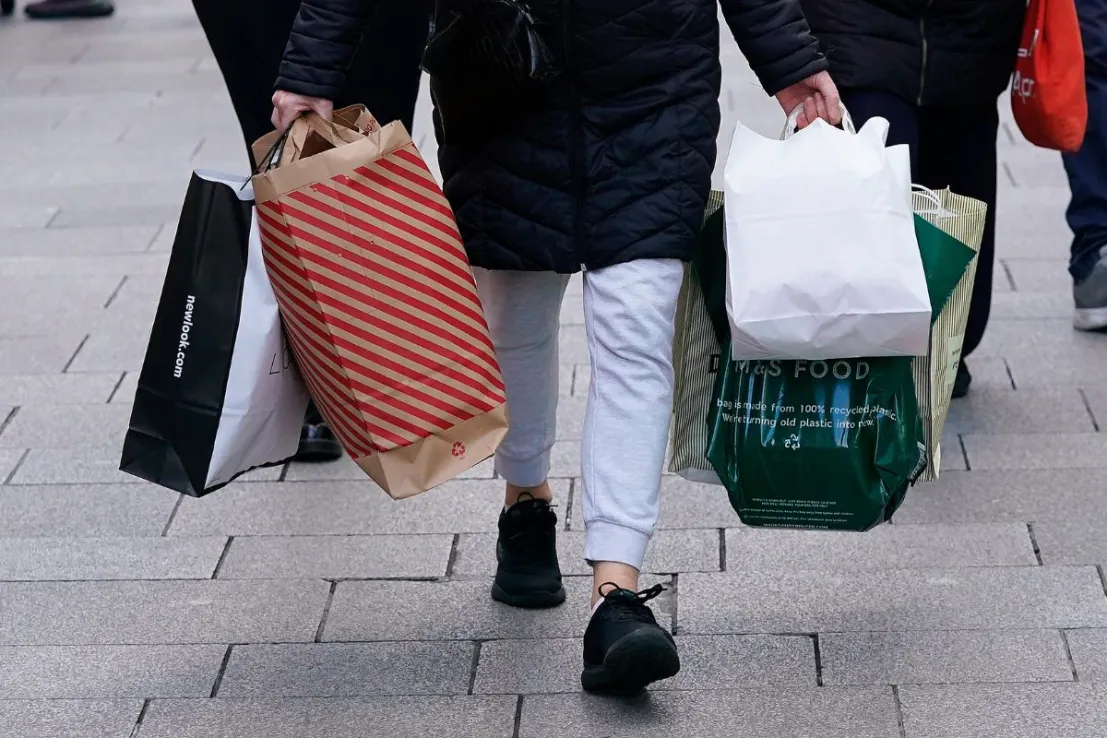
UK retail sales climbed one per cent in June, as a heatwave combined with heavy discounting pushed consumers toward online shopping, according to data from the Office for National Statistics (ONS). Consumer spending is a key driver of the UK economy, making monthly retail figures a closely watched barometer of household confidence and broader economic momentum.
The growth marked a slight deceleration from the 1.2 per cent increase recorded in May. Online shopping reached its largest share of total retail sales since spring 2021, when the COVID-19 pandemic kept British consumers away from physical stores, underscoring a lasting structural shift toward e-commerce that has reshaped Britain's retail landscape since the pandemic.
Sector Performance
Non-store retailing recorded the strongest performance among all spending categories in June, surging 4.4 per cent. By contrast, department store sales volumes declined by 1.7 per cent. Food store sales edged up 0.3 per cent, while household goods stores saw purchases fall by 0.6 per cent.
Hannah Finselbach, senior statistician at the ONS, said: "Internet retailers did especially well, with business telling us that this was because of promotions and the warm weather." Online retailers experienced surging demand for outdoor products, air conditioning, and clothing, Finselbach added.
Fuel Sales Decline as Stockpiling Fades
After buoying retail sales figures in recent months, demand for petrol and diesel has dropped sharply over the past quarter. Automotive fuel sales fell 0.8 per cent in June, contributing to a six per cent decline over the trailing three-month period.
The ONS noted that while motorists had stockpiled fuel during the initial weeks of the Iran war, soaring energy prices in April kept drivers away from the pumps, and demand has yet to recover.
Inflation unexpectedly fell from 2.8 per cent to 2.6 per cent in June, pulled lower by a sharp drop in fuel prices. The figure remains above the Bank of England's 2 per cent target. However, energy prices are expected to rise again following renewed hostilities between the US and Iran, including Houthi attacks on tankers in the Red Sea.
Retailers are anticipating that the heatwave and the World Cup will continue to boost sales into July, with increased foot traffic to pubs likely to have knock-on effects across the wider high street.
Inflation Concerns and Industry Calls
Thomas Pugh, chief economist at RSM, cautioned that recent oil price increases could dampen consumer spending. He said: "If those prices persist through the summer, inflation is likely to rise above 3.5 per cent, increasing the risk that the Bank of England raises interest rates."
"That would squeeze household budgets and could start to weigh on consumer spending," Pugh added.
The British Retail Consortium (BRC), which represents the UK's leading retailers, has urged Andy Burnham to reduce so-called "policy costs" on energy bills for high street businesses.
Harvir Dhillon, the trade body's chief economist, said: "To support growth and keep inflation under control, Government should address the taxes and levies that increase businesses' energy bills."
"Otherwise, rising costs will continue to constrain investment and make it harder for retailers to keep prices low for customers in the future," Dhillon said.

