UK Police Seize $1.4 Million in Bitcoin and Other Assets Linked to Darknet Market Activity
Key Takeaways
- •Avon and Somerset Police seized assets totaling £1,032,487.86, roughly $1.4 million, including 20.21 Bitcoin, other cryptocurrencies, and bank-account funds.
- •A court ordered the forfeiture after determining the assets were proceeds of unlawful conduct tied to darknet marketplaces operating between 2016 and 2019.
- •The seizure is the force's largest since crypto wallet freezing orders were introduced in April 2024.
- •UK police and the National Crime Agency have been able to seize crypto without prior arrest since new Home Office powers took effect on April 26, 2024.
- •Bitcoin traded near $78,015 with a market value above $1.56 trillion at the time of the report, showing no notable market impact from the announcement.
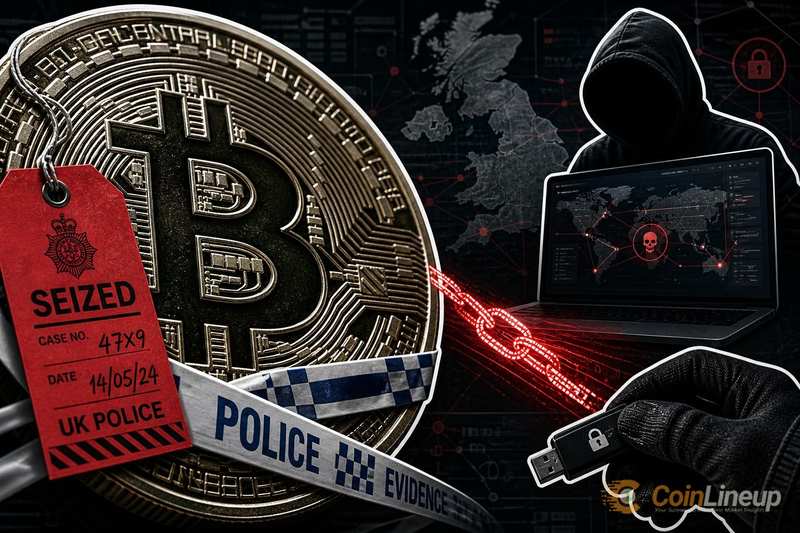
UK police have seized approximately $1.4 million in Bitcoin and other assets tied to alleged darknet market activity, marking one of the country's largest crypto forfeitures since new seizure powers took effect. The case demonstrates how criminal proceeds held in cryptocurrency can still be traced, frozen, and confiscated by law enforcement.
What UK Police Said About the $1.4 Million Bitcoin Seizure
Avon and Somerset Police stated that its Financial Investigation Unit seized cryptocurrency and cash assets worth more than £1 million under the Proceeds of Crime Act, a law that allows courts to take property judged to have come from illegal activity.
The forfeited pool included 20.21 Bitcoin, other crypto assets, and bank-account funds, with a combined value of £1,032,487.86, or roughly $1.4 million.
According to police, the assets were traced to darknet marketplaces active between 2016 and 2019. A darknet market is a hidden online marketplace, often used to sell illegal goods. A court determined that the money represented proceeds of unlawful conduct before ordering the forfeiture.
The force described the case as its largest cryptocurrency seizure since crypto wallet freezing orders were introduced in April 2024. A wallet freezing order allows police to lock the funds in a crypto wallet so that no one can move them.
The police announcement is available at:
Why Darknet-Linked Crypto Seizures Matter for Enforcement
Many people assume Bitcoin is anonymous. It is not. Every transaction is recorded on a public ledger called the blockchain, which anyone can inspect.
"Many people think cryptocurrencies provide anonymity… a permanent record of transactions is stored on a digital ledger called a blockchain." — Anthony Davis, Avon and Somerset Police, in the police statement.
That permanent record is what enables investigators to follow money years after the fact. In this case, police connected wallets to activity that occurred up to a decade ago. This kind of work typically draws on specialist blockchain analytics, a capability that law-enforcement agencies and private firms have built up over the past decade, and which has featured in major darknet investigations such as the takedown of the Silk Road marketplace in 2013 and the Hansa market in 2017.
Cryptocurrency is now a regular target for tracing, freezing, and seizure in criminal investigations, and this is not unique to Britain. French police recently arrested two people in a $1.8 million crypto villa scam, and U.S. prosecutors secured a guilty plea in a Bitcoin kidnapping plot. Not all darknet trade depends on Bitcoin, but Bitcoin remains a common thread in these cases.
What the Seizure Signals for Crypto Compliance and Market Perception
The seizure sits within a wider push to expand UK authorities' reach. On April 26, 2024, the Home Office announced that police and the National Crime Agency gained powers to seize crypto without first making an arrest. They can also move illicit crypto into law-enforcement-controlled wallets and destroy certain assets, such as privacy coins. Details are available at:
Enforcement actions like this reinforce compliance expectations across the crypto sector. Exchanges and wallet providers face ongoing pressure to monitor transactions and cooperate with investigators. Under the UK's Travel Rule, which took effect in September 2023, crypto businesses must share sender and recipient information for transfers, adding another data trail investigators can use.
None of this changes the fact that most crypto use is legal and ordinary. The seizure targets criminal proceeds, not everyday holders. For someone keeping a small amount of Bitcoin on a regulated exchange, this case does not affect their coins.
Market conditions remained calm around the news. Bitcoin traded near $78,015 at the time of the research check, with a slight 24-hour move and a market value above $1.56 trillion.
The practical takeaway for regular crypto holders is straightforward: crypto is traceable, enforcement is growing more capable, and legitimate use of digital assets remains separate from criminal misuse. Further specifics on the case should depend on confirmed reporting as it emerges.
Disclaimer: This article is for informational purposes only and does not constitute financial or investment advice. Cryptocurrency and digital asset markets carry significant risk. Always do your own research before making decisions.
