UK Government Backs British Firms to Compete for £33bn in Morocco 2030 World Cup Contracts
Key Takeaways
- •The UK Foreign Office is supporting British companies in pursuing approximately £33 billion in procurement contracts tied to Morocco's infrastructure buildup for the 2030 FIFA World Cup.
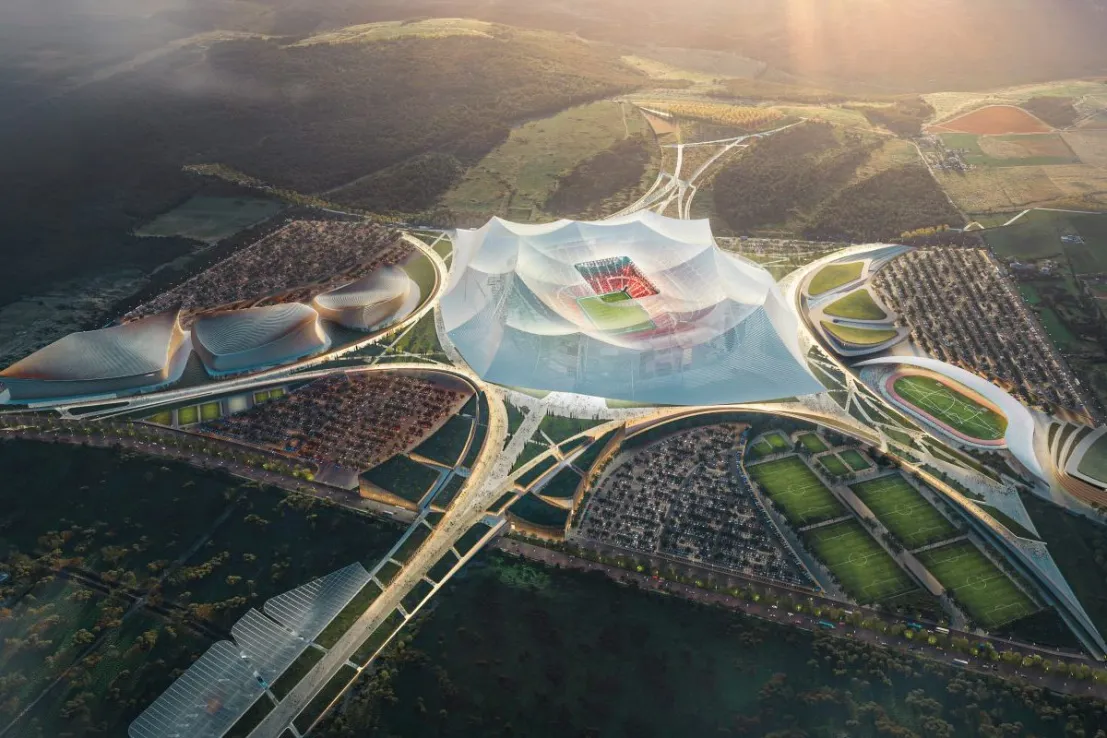
- •Morocco will co-host the 2030 tournament alongside Portugal and Spain, with planned projects including the 115,000-capacity Grand Stade Hassan II and upgrades to airports, transport networks, and security systems.
- •Existing UK-Morocco bilateral trade is valued at nearly £5 billion, underpinned by the UK-Morocco Association Agreement signed in 2019 following Britain's departure from the EU.
- •British firms such as Steer Group and ATG Access have already begun contributing expertise in crowd-modelling and perimeter security for the tournament.
- •British companies will compete against firms from France, other EU nations, and China, all of which maintain longstanding or growing commercial relationships across the African continent.
The UK Foreign Office is lending government backing to British companies seeking a share of an estimated £33bn in procurement contracts tied to Morocco's preparations for the 2030 FIFA World Cup.
With major infrastructure projects accelerating across North Africa, the Foreign Office said it intends to help British firms secure contracts across construction, transport, aviation, security, and professional services. An estimated £33bn in procurement is expected to be tendered over the next three years. The push comes as the UK continues to deepen independent trade relationships following its departure from the European Union, with the UK-Morocco Association Agreement — signed in 2019 — providing the legal framework for continued bilateral trade.
The 2030 tournament will be co-hosted by Portugal, Spain, and Morocco, with several South American nations also participating as host countries. The competition marks the centenary of the inaugural World Cup, held in Uruguay in 1930. The final could take place in Morocco, though the exact venue remains subject to ongoing discussions. For Morocco, hosting World Cup matches represents the culmination of years of sustained investment in sports infrastructure, building on its experience hosting multiple FIFA Club World Cup tournaments.
The centrepiece infrastructure project is the new Grand Stade Hassan II, a 115,000-capacity stadium. Additional developments are planned across Casablanca, Marrakech, and Rabat, encompassing sectors such as aviation — including a new airport upgrade — as well as transport networks, security systems, and professional services.
Foreign Office Minister Stephen Doughty said: "As the final whistle blows on one World Cup, British businesses are already looking ahead to the next."
"From stadium design and transport systems, UK companies have the expertise Morocco needs to deliver a world-class tournament."
"The Foreign Office will continue opening doors for British firms to win contracts that support jobs, growth, and investment back home."
Existing trade between the UK and Morocco is valued at nearly £5bn. The Foreign Office stated that British businesses will receive support through ministerial engagements, trade missions, and diplomatic assistance in pursuing World Cup-related contracts. British firms will, however, face competition from companies based in countries with long-standing commercial ties to Morocco, particularly France and other EU member states, as well as increasingly active Chinese construction and engineering firms across the African continent.
London-headquartered Steer Group has already contributed expertise on crowd-modelling and fan movement planning for the tournament. Meanwhile, Haydock-based ATG Access is exploring opportunities to assist Morocco with transport hubs and crowd safety infrastructure.
ATG Access' Lucy Ketley said: "Morocco's investment ahead of the 2030 FIFA World Cup presents a significant opportunity to create safe, resilient and welcoming public spaces. We're proud to be exploring how our British-designed hostile vehicle mitigation and perimeter security expertise can support that ambition."
"The support of UK diplomatic and trade teams has been invaluable in helping us build relationships and identify opportunities that can drive growth both internationally and here in the UK."

