UK Manufacturing Growth Loses Momentum as Economic Risks Loom
Key Takeaways
- •The UK manufacturing PMI fell from 51.9 in July to 51.7 in August, signalling a slower but continued expansion.
- •The sector has posted PMI gains for ten consecutive months after output contracted for much of 2025.
- •Business confidence rose to a six-month high and job creation reached its strongest level in two years.
- •Smaller manufacturers saw output and new order intakes decline, while larger firms performed better over the month.
- •Analysts warned that rising energy prices and Middle East conflict uncertainty pose risks to the sector for the remainder of the year.
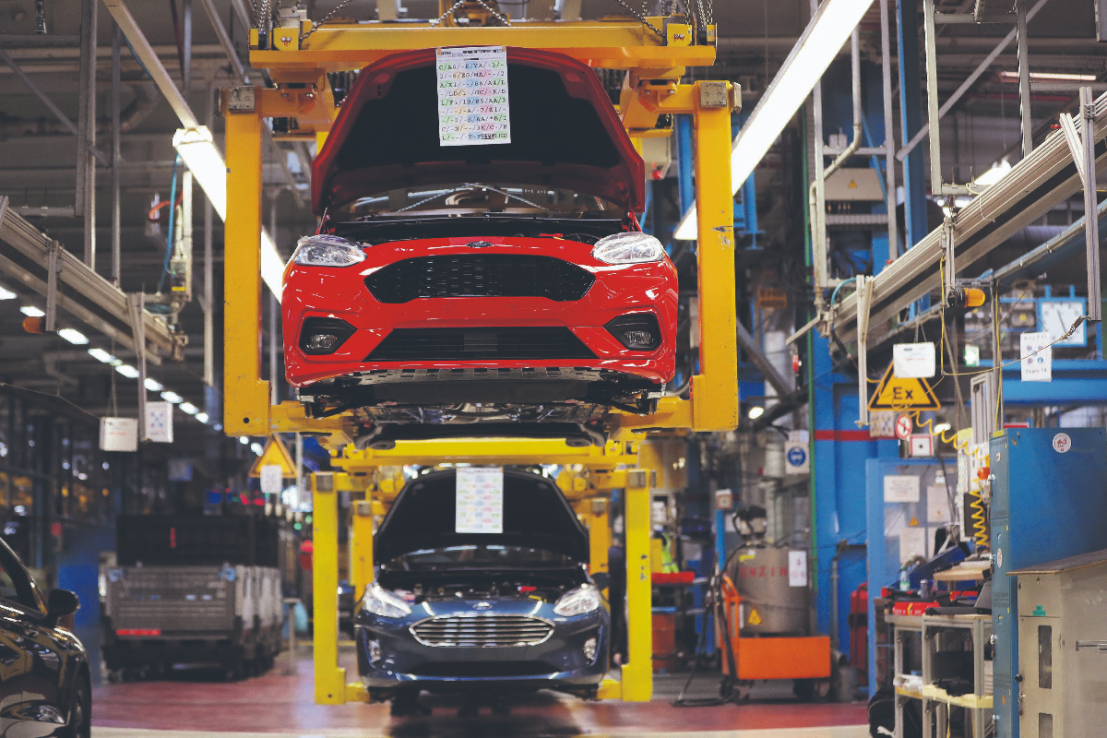
Growth in the manufacturing sector slowed over August as smaller firms struggled to secure new orders, according to S&P Global.
The purchasing managers' index (PMI) eased from 51.9 in July to 51.7 in August. The PMI, a closely watched monthly survey-based indicator of business conditions, treats 50 as the neutral mark separating expansion from contraction, so the reading indicates that activity continued to increase, albeit at a slower pace. The sector's PMI has now posted gains for 10 consecutive months after much of 2025 saw output contract, underscoring how recent a recovery in British factory output is.
Rob Dobson, director at S&P Global, said there were "still signs for continued optimism" as business confidence rose to a six-month high. Job creation was also at its strongest level for two years, a green shoot amid a tough employment outlook across the country.
"This suggests that the slowdown [in the PMI] was mainly driven by a reduced focus on maintaining precautionary stocks as economic uncertainty eases, especially as domestic and overseas clients continue to show a willingness to spend albeit with a relatively high degree of caution," Dobson said.
According to researchers, the rise in employment levels was linked to higher order intakes and efforts to clear backlogs. Larger manufacturers performed better over the month, while smaller producers saw output and new order intakes decline.
Manufacturing to be hit by higher energy costs
Energy costs have long weighed on UK factories, with British industrial users historically paying more for power than many European competitors, making the sector particularly sensitive to further price rises.
Cara Haffey, who oversees industrials at PwC UK, said businesses would be more concerned with ensuring that the recent run of positive results can be sustained. She said keeping energy costs low and capitalising on improved demand would be "critical" for the future of the sector.
"As the government considers its priorities, the focus for many businesses will be on how quickly policy commitments translate into lower costs, greater certainty and stronger incentives for investment," Haffey said.
Matt Swannell, chief economic adviser to the ITEM Club, warned that rising energy prices would still filter through into higher business costs.
"We expect the rest of this year to be difficult for the manufacturing sector," Swannell said. "The conflict in the Middle East is the main wildcard in this regard, and it remains a key source of uncertainty for business."
