UK House Prices Record First Annual Fall in Nearly Three Years as Borrowing Costs Weigh on Buyers
Key Takeaways
- •The average UK house price edged down 0.2 per cent in August to £298,468, a 0.4 per cent annual decline and the first negative yearly movement since November 2023.
- •London recorded the second-largest regional drop with prices falling 1.5 per cent to £534,177, behind only the South East at 1.6 per cent to £381,729.
- •Mortgage approvals are at their lowest level since the start of 2024, and housing market activity is at its slowest in more than two years.
- •Residential transactions in the three months to July fell four per cent compared with the previous three months, according to HMRC.
- •Lloyds' mortgages director Andrew Asaam expects the market to stay subdued ahead of the October Budget but does not anticipate significant further price falls, citing rising wages and resilient employment.
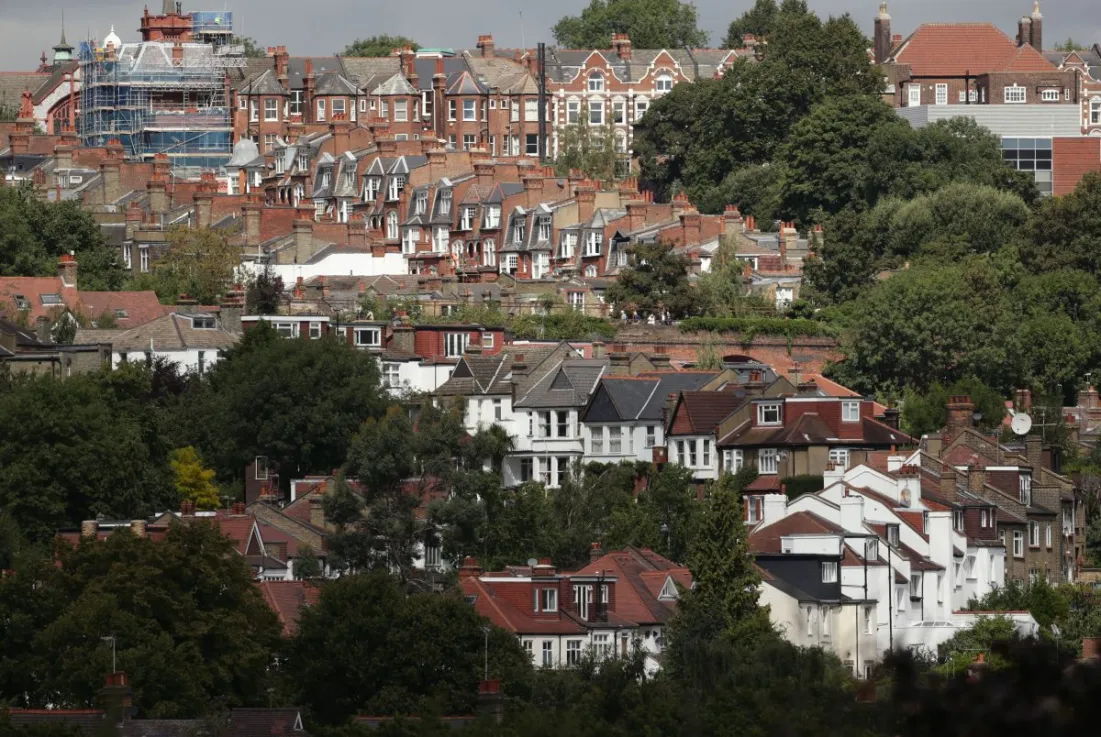
UK house prices fell in the year to August, marking the first annual decrease in nearly three years, as high borrowing costs lead prospective buyers to "sit tight".
The average UK house price edged down 0.2 per cent last month to £298,468, according to Lloyds' house price index. That represents a 0.4 per cent year-on-year decline — the first negative yearly movement since November 2023.
The impact of the Iran war on the UK's housing market has worsened in recent months, as higher inflation and borrowing costs hamper housing affordability, weighing on both buyers and housebuilders. The episode echoes the pressure on the market that followed the 2022 "mini" Budget, when surging mortgage rates chilled demand — a reminder of how sensitive house prices are to shifts in the cost of credit.
The slowdown has been most pronounced in the south of England, where higher prices mean buyers and sellers are more exposed to significant costs such as stamp duty. Stamp duty liability is scaled to price, so percentage falls translate into larger swings in the total cost of moving in higher-value regions.
The average house price in London fell 1.5 per cent to £534,177 in the year to August, according to Lloyds — the second-largest drop in the country. It was exceeded only by the South East, where prices fell 1.6 per cent to £381,729.
"As has been the case for several months, there remains a clear divide in house price performance across the UK," property experts at the bank said.
August's decline in house prices comes as housing market activity sits at its slowest in more than two years. Mortgage approvals are at their lowest level since the start of 2024, according to the Bank of England.
The number of residential transactions in the three months to July was four per cent lower than in the preceding three months, according to recent HMRC figures.
Housebuyers brace for Budget
Andrew Asaam, mortgages director at Lloyds, said: "The housing market has faced a more difficult backdrop in recent months, with the impact of global events on inflation and borrowing costs creating greater economic uncertainty.
"What we're not seeing is a rush of homeowners cutting prices. But more are choosing to sit tight, with sellers reluctant to accept offers they feel are too low, while some buyers are waiting to see how conditions develop."
Asaam said he expects the UK's housing market to "remain subdued" in the coming months, as buyers brace for the October Budget.
However, house prices are unlikely to fall much further, he added, because growing wages and resilient employment levels will "support demand from those who need or want to move".
Nathan Emerson, chief executive of estate agents' trade body Propertymark, said: "As we head into the autumn months, the upcoming Autumn Budget may well help determine the plans of many aspiring buyers and sellers for their next house move, alongside the upcoming inflation figures and interest rate announcement in the middle of the month.
"Following what has, in part, been an uneven year, it is hoped that the housing market will regain a more stable footing as the year progresses."
