UK House Prices Slump in July as Iran Conflict and High Interest Rates Squeeze Demand
Key Takeaways
- •Annual UK house price growth decelerated to 1.8% in July from 2.2% in June, with month-over-month prices rising just £58 to an average of £277,542.
- •The Bank of England's decision to hold rates steady, combined with Iran war uncertainty and rising energy costs, has eroded consumer confidence and suppressed housing demand.
- •Most UK residential mortgages are fixed for only two to five years, meaning a large share of borrowers face refinancing at higher rates within a short timeframe.
- •Newly appointed Prime Minister Andy Burnham confirmed no immediate plans to alter stamp duty or council tax, but industry leaders are urging greater clarity on taxation and housing reforms.
- •Cooling inflation and slowing wage growth may give the Monetary Policy Committee more flexibility to assess whether further rate hikes are needed at its next meeting.
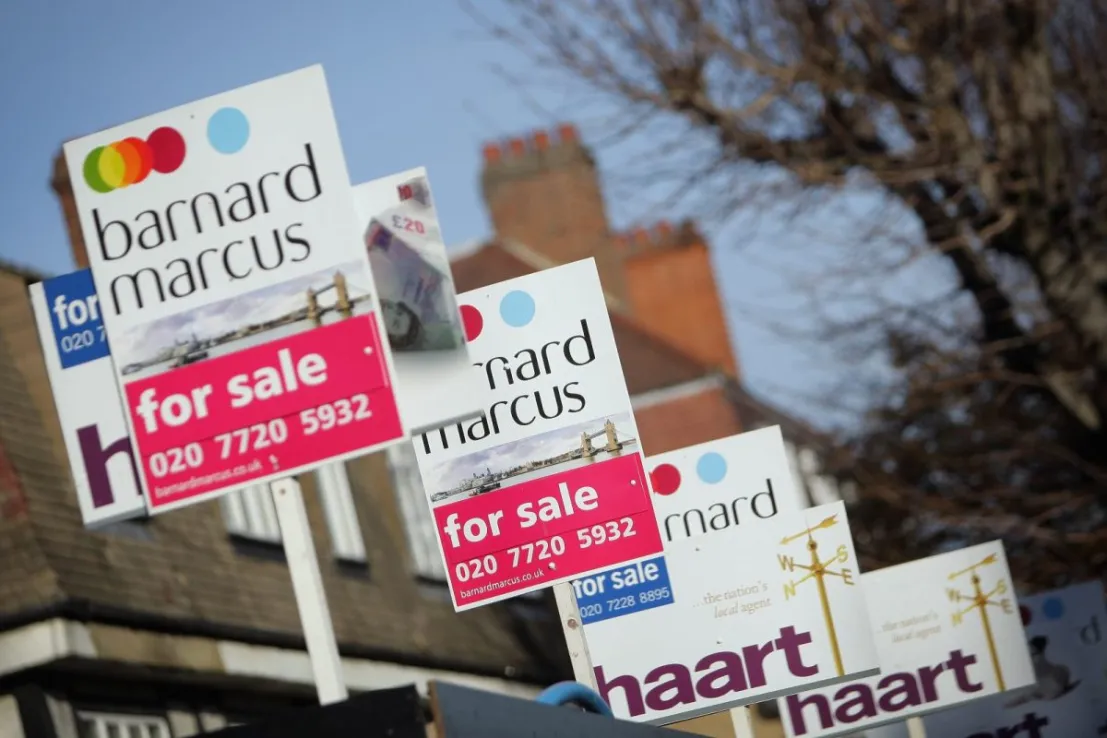
UK house prices declined in July as the Iran war and elevated interest rates squeezed buyer demand and triggered a slowdown in sales activity.
Annual house price growth slowed to 1.8 per cent last month, down from 2.2 per cent in the prior month. On a month-to-month basis, average prices remained broadly flat, rising by just £58 to reach £277,542, compared with £277,484 in June. The figures, based on Nationwide's own mortgage lending data, are among the most closely watched monthly barometers of Britain's housing market.
Uncertainty stemming from the Iran war, combined with soaring energy prices, shook consumer confidence and weighed on market sentiment. The Bank of England's decision to hold interest rates steady also affected the housing market, after the geopolitical conflict ended earlier expectations of rate cuts that had been building at the start of the year. The impact is particularly acute in the UK, where most residential mortgages are fixed for only two to five years, meaning a large share of borrowers face refinancing at higher rates within a relatively short window.
Robert Gardner, chief economist at Nationwide, said: "Geopolitical tensions remain high, with the conflict between Iran and the US again exerting upward pressure on energy prices and market interest rates in recent weeks."
"Financial market expectations for the future path of Bank Rate have been volatile, reflecting shifting views about the inflationary implications of events at home and abroad," he added.
Interest Rate Outlook
Gardner noted that cooling inflation and slowing wage growth could give the central bank "more breathing space" to assess whether further rate hikes are warranted at its next meeting.
"The Monetary Policy Committee can take some comfort from the fact that consumer price inflation declined further in June," he said.
Nathan Emerson, chief executive of Propertymark, said: "Yesterday's interest rate decision, with rates remaining unchanged, provides greater certainty for borrowers and allows prospective buyers to plan with a clearer understanding of future mortgage costs."
New Prime Minister's Tax Stance
The property industry is now watching to see whether newly appointed Prime Minister Andy Burnham will overhaul taxes on the UK housing market. Burnham confirmed there are no immediate plans to alter either stamp duty or council tax, but has yet to provide greater "certainty" for prospective buyers. Stamp duty, a tax paid by purchasers on property transactions above a threshold, has long been a lever governments have adjusted to stimulate or cool housing activity.
Emerson urged Burnham to deliver "clarity around taxation, housing supply and long-term reforms" to reinforce market confidence.
Tom Bill, head of UK residential research at Knight Frank, suggested that Burnham's decision to rule out a stamp duty increase may have been aimed at preventing speculation from distorting the market.
Bill said: "A combination of higher mortgage costs and uncertainty around property taxation has kept demand in check this summer."
"The slowdown is presumably why Andy Burnham needed to rule out replacing stamp duty with a land value tax this week, although the annual game of 'guess the tax rise' is not over for the property market, after the Prime Minister repeated his predecessor's line about 'difficult decisions' in the Budget," Bill added.

